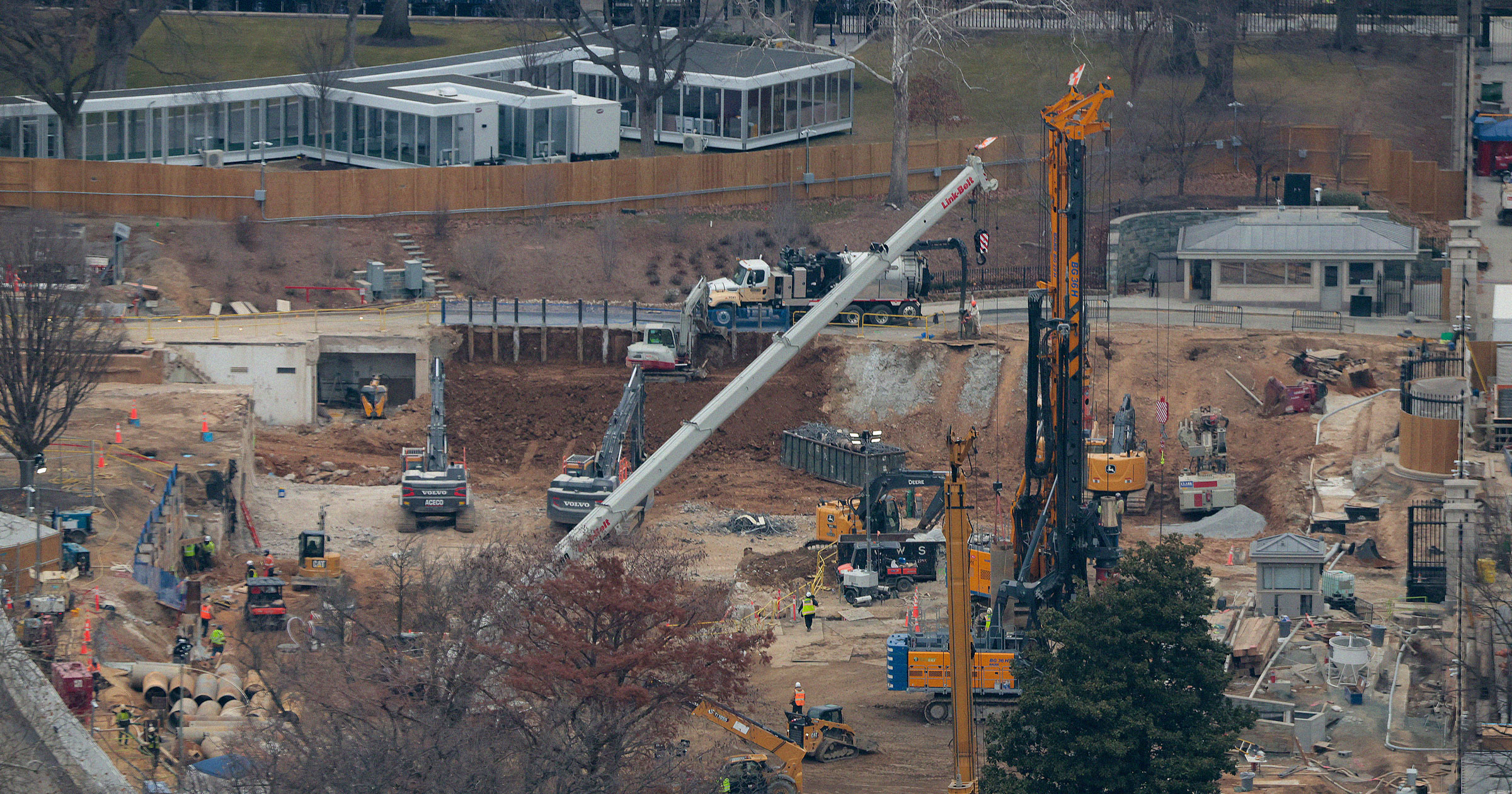
The Trump administration has initiated plans to construct a high-security bunker beneath the East Wing of the White House. This development follows the controversial decision to expand the East Wing with a new ballroom, a project that has drawn significant scrutiny from congressional inquiries, lawsuits, and media coverage. A U.S. District judge is currently considering a request from a preservation group to halt the ambitious plans, which are estimated to cost approximately $400 million.
Controversial Expansion and Secretive Bunker Plans
The proposed bunker is intended to replace the existing Presidential Emergency Operations Center, originally established in the aftermath of the attack on Pearl Harbor in 1941. Sources familiar with the matter have indicated that the new facility will incorporate advanced technology designed to address evolving threats. This initiative comes amid a backdrop of heightened national unrest, partly attributed to the Trump administration’s contentious policies.
Joshua Fisher, the White House director of management and administration, emphasized the necessity of these security enhancements. He stated that the administration aims to create “resilient, adaptive infrastructure aligned with future mission needs.” Fisher also acknowledged that some aspects of the project are classified and not disclosed during the planning process with the National Capital Planning Commission.
The Presidential Emergency Operations Center has historically provided a refuge for key officials during crises, including the moments leading up to the September 11, 2001 attacks. Notably, former Vice President Dick Cheney sought shelter in the facility during the Pentagon attack. Reports indicate that President Trump utilized the bunker during the protests following the death of George Floyd in 2020.
Upgrading Infrastructure for Modern Threats
The existing bunker has been described as a “very complicated submarine” constructed in the 1940s, featuring independent systems for power, water, and air filtration. However, sources indicate that the infrastructure is outdated and has been entirely gutted to make way for the new installation. Despite assurances from President Trump that the financial burden will be covered by private donations, it remains unclear what the total costs will be or how expenses will be managed.
Jonathan Wackrow, a former U.S. Secret Service agent and risk management executive, emphasized the need for emerging technologies in safeguarding against contemporary threats. He noted that the costs associated with such advancements may not be fully transparent, complicating the financial landscape of the project.
As the legal proceedings continue and public interest grows, the implications of these developments extend beyond construction. The construction of a state-of-the-art underground facility raises questions about the administration’s approach to national security and the transparency of government operations.