The White House has announced plans to dismantle the National Center for Atmospheric Research (NCAR) in Colorado. This facility plays a critical role in advancing climate science and understanding space weather. Russ Vought, Director of the Office of Management and Budget, described NCAR as “one of the largest sources of climate alarmism in the country” in a post on X on December 16, 2023.
The proposed closure of NCAR is part of a broader initiative by the Trump administration to curtail climate research. This initiative has included significant funding cuts and the removal of key data from government websites. Established over sixty years ago, NCAR conducts vital research on Earth’s atmosphere and climate, while also studying the Sun’s activity and its impact on Earth’s magnetic field.
Impact on Upcoming NASA Missions
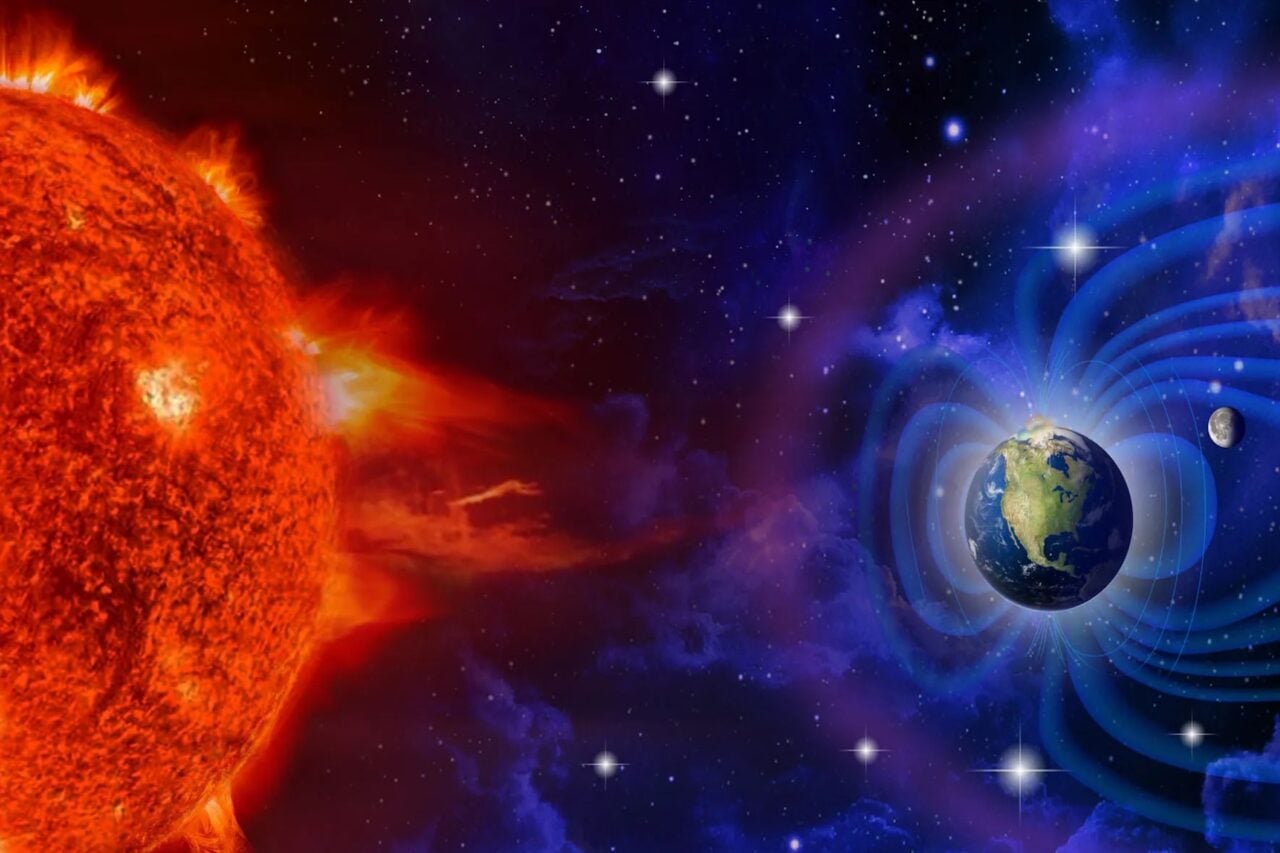
NASA recently advanced two heliophysics missions that rely on NCAR’s research. One of these is the Chromospheric Magnetism Explorer (CMEx), led by NCAR scientist Holly Gilbert. This mission aims to investigate the Sun’s chromosphere, the reddish layer of its atmosphere, to gain insights into solar eruptions and the origins of solar wind.
Asal Naseri, acting associate flight director for heliophysics at NASA Headquarters, emphasized the importance of these missions. He stated, “These mission concepts, if advanced to flight, will improve our ability to predict solar events that could harm satellites that we rely on every day and mitigate danger to astronauts near Earth, at the Moon, or Mars.”
Another mission, the Solar Transition Region Ultraviolet Explorer (STRUVE), is also led by NCAR and is scheduled for launch in 2029. STRUVE aims to study the Sun’s chromosphere and corona, focusing on how energy accumulates and is released during solar storms. Alfred de Wijn, a scientist at NCAR and principal investigator for STRUVE, highlighted the need to understand the magnetic changes in the chromosphere leading up to solar eruptions.
Future Uncertainty for NCAR and Related Research
The future of NCAR remains uncertain as the administration’s plans unfold. Although Vought indicated that research activities would be reassigned to other organizations, specific details on this transition have not been disclosed. The American Astronomical Society (AAS) expressed concerns regarding the potential loss of research capabilities, with AAS President Dara Norman stating, “[R]esearch conducted at NCAR informs our understanding of space weather hazards caused by solar storms and the atmospheric properties of other planets in and beyond our solar system.”
Lawmakers in the United States are actively working to reverse the proposed funding cuts to scientific research, including those affecting NASA and NCAR. They face a crucial deadline of January 30, 2024, to finalize spending bills that will determine the future of these critical research initiatives.
As the situation develops, the implications for climate and space weather research could be profound, potentially affecting our understanding of both Earth’s atmosphere and the broader solar system.