January 2024 marked a tumultuous month for the United States, as President Donald Trump made bold moves both domestically and internationally, reinforcing his stance as a powerful figure while also facing significant backlash. The month began with Trump striving to dispel the “lame duck” label following an intense holiday season filled with criticism. He aimed to assert his authority through drastic immigration policies and military actions abroad, illustrating the duality of his presidency—strength and vulnerability.
One of the most striking incidents of the month was the capture of Venezuelan leader Nicolás Maduro on January 3. This operation, described by Secretary of State Marco Rubio as a “daring special forces raid,” underscored Trump’s willingness to utilize military power to achieve his foreign policy goals. Maduro’s arrest has since raised concerns over the implications of American interventionism, with some critics warning that such actions could resemble a form of “American gangsterism.”
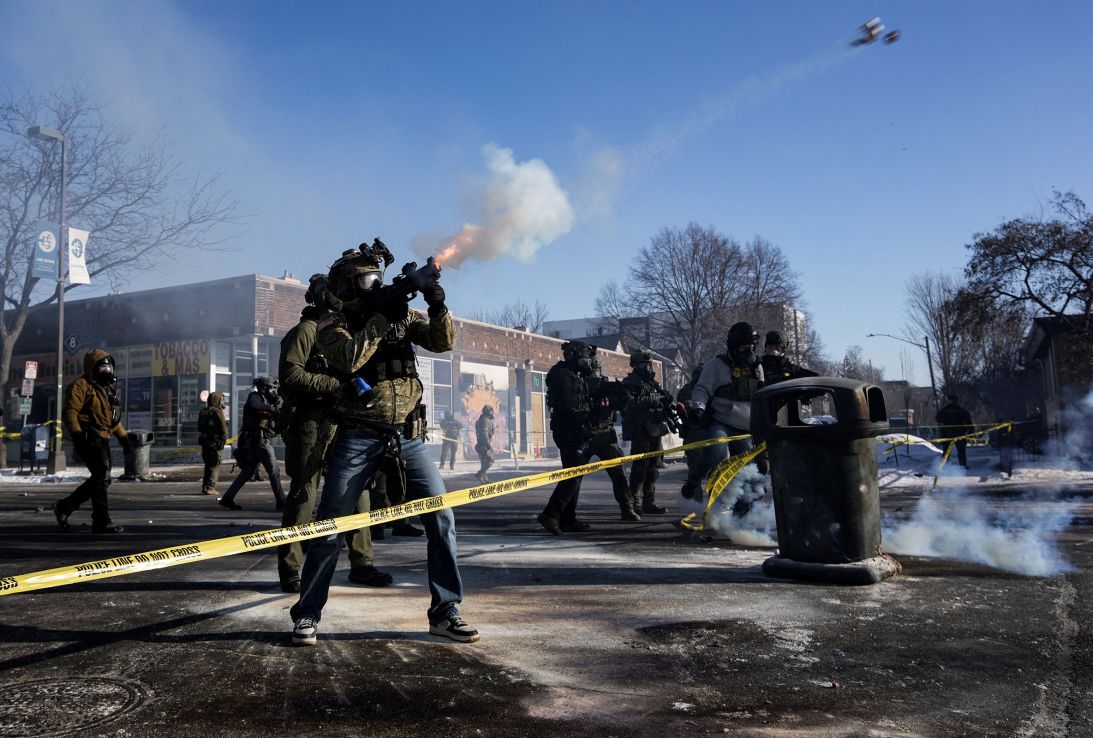
The domestic front, however, presented a stark contrast to Trump’s assertiveness overseas. In Minneapolis, two American protesters, Renee Good and Alex Pretti, were killed by federal agents during an immigration crackdown. These incidents have ignited widespread outrage, drawing attention to the human cost of Trump’s immigration policies. The haunting image of Liam Conejo Ramos, a five-year-old boy detained with his father, further exemplified the distressing nature of current immigration practices, leading many to question the morality of such enforcement strategies.
Public Response and Political Ramifications
Public sentiment has begun to shift, with growing disapproval even among Trump’s Republican base regarding the tactics employed by Immigration and Customs Enforcement (ICE). A recent Fox News poll indicated that many Republicans believe that the administration’s approach has gone too far. As the midterm elections approach, these developments pose a significant risk to Trump’s political viability.
In light of the escalating tensions, Tom Homan, the president’s immigration czar, suggested a potential de-escalation of federal forces in Minnesota, contingent upon cooperation from local officials. While Homan’s comments hint at a desire to soothe the situation, he emphasized that there would be no surrender of the president’s immigration enforcement mission.
This political landscape has been complicated by inflammatory statements made by officials such as Governor Tim Walz, who drew comparisons between current events and historical atrocities. Such remarks have sparked further debate about the direction of Trump’s presidency and the societal implications of his policies.
International Relations and Trump’s Global Ambitions
On the international stage, Trump’s January efforts to consolidate power have yielded mixed results. His disregard for traditional diplomatic norms was evident at the World Economic Forum in Davos, where he made headlines by demanding that Denmark sell Greenland to the United States. His comments raised alarm bells among European allies, who began to question the stability of the transatlantic alliance.
Trump’s global strategy has also faced scrutiny, particularly concerning his handling of tensions with nations like Iran. The emergence of violent anti-regime protests in Iran and Trump’s renewed threats against the Islamic Republic reflect a precarious balance of power. The arrival of a U.S. aircraft carrier group in the region suggests a potential escalation that could have far-reaching consequences.
As January closed, the complexities of Trump’s presidency became more pronounced. The administration’s approach to immigration and foreign policy not only shapes the current political landscape but also poses significant challenges for the future. With midterm elections on the horizon and a divided public, the ramifications of Trump’s actions this January will likely reverberate for years to come.
The month showcased a leader grappling with the consequences of his policies, revealing both the power he wields and the limitations he faces. As the nation reflects on the events of January 2024, questions about morality, governance, and the fabric of American democracy linger in the air.