The University of Idaho (U of I) has been awarded $1.3 million through two multi-institutional grants from the U.S. Department of Defense (DoD) to advance research on post-traumatic stress disorder (PTSD) in military personnel. This funding will enable the development of machine learning models aimed at improving the early detection of PTSD risk and symptoms among service members, as well as enhancing the well-being of their families.
Research Goals and Funding Breakdown
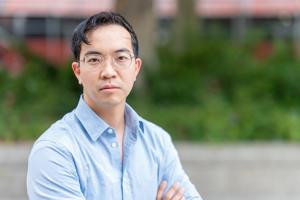
The larger of the two grants, totaling $974,000, is dedicated to a four-year project that will investigate the use of smart wearable technology. This technology is expected to help detect biochemical and biophysical signals associated with PTSD. Leading this research is Colin Xu, a psychology professor at U of I, who emphasized that their work aims to provide clinicians with better insights into which individuals might be at heightened risk for PTSD and when interventions should be initiated.
The second grant, amounting to $361,000, will support a three-year study focused on the effects of military deployment on the stress levels of service members’ families and the potential risk of harmful behaviors. This study underscores the importance of addressing the mental health challenges faced not only by service members but also by their loved ones.
Collaborative Efforts and Broader Impact
U of I’s initiative is part of a broader collaborative effort that includes researchers from several esteemed institutions. The funding also extends to experts at Walter Reed National Military Medical Center, Uniformed Services University of the Health Sciences, Auburn University, Northwestern University, and Tufts University. This multi-institutional approach aims to leverage diverse expertise and resources to tackle the complexities of PTSD and its far-reaching impacts.
In light of these developments, Professor Xu remarked, “Our work aims to give clinicians better insight into who may be at elevated risk, and when, so that support can be provided proactively.” Through this research, the University of Idaho hopes to make significant strides in understanding PTSD, ultimately leading to improved mental health outcomes for service members and their families.