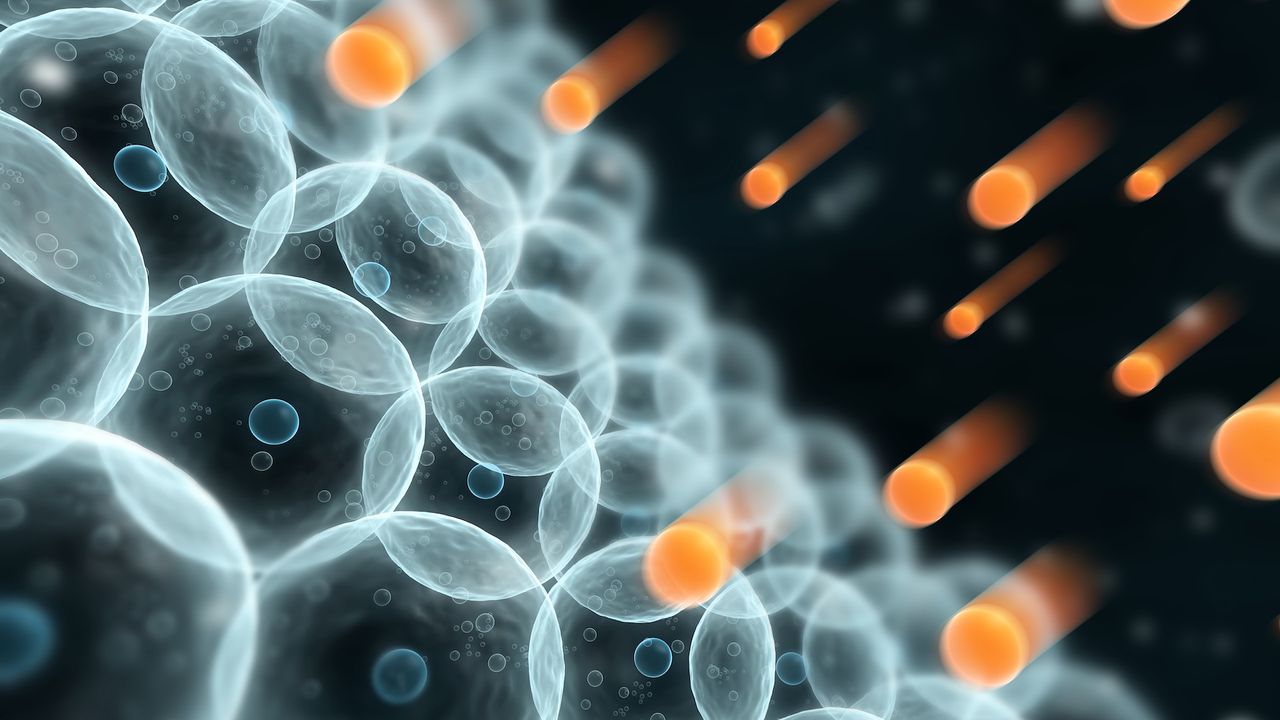
Free radicals have long been viewed as harmful agents in the body, linked to conditions such as cancer, aging, and neurodegenerative diseases. These reactive molecules, known scientifically as reactive oxygen species (ROS), play a critical role in various biological processes. Despite their notorious reputation, recent insights suggest that free radicals might not be entirely detrimental and could even offer certain health benefits.
Understanding the function of free radicals begins with their chemical structure. These molecules contain an unpaired electron, making them highly reactive. According to Michael Murphy, a mitochondrial biologist at the University of Cambridge, this reactivity drives free radicals to interact with nearby structures, including cell membranes, proteins, and DNA. This can lead to significant damage, triggering a cascade of harmful reactions within the body.
At normal levels, free radicals are produced through essential processes such as respiration and cellular signaling. In fact, approximately 90% of the free radicals generated in the body come from mitochondria, the energy-producing organelles within cells. Michael Ristow, a longevity researcher at Charité University Medicine Berlin, explains that during respiration, a small percentage of electrons may leak and react with oxygen, forming radicals like superoxide. This process is part of ordinary cellular function.
While excessive free radicals can overwhelm the body’s defenses, leading to oxidative stress and disease, they also serve important roles in immune responses and cellular communication. For instance, the immune system utilizes free radicals to combat pathogens. Furthermore, certain enzymes harness free radical chemistry to facilitate complex biological reactions.
A balanced approach is essential when considering the impact of free radicals. The body has evolved various defense mechanisms to manage their levels, including the production of antioxidants. Nutrients such as vitamins C and E play a crucial role in neutralizing free radicals. Additionally, specialized enzymes help convert these reactive molecules into less harmful substances, thus protecting cellular integrity.
Environmental factors can exacerbate free radical production. For example, exposure to ultraviolet (UV) radiation can trigger a series of reactions that lead to increased levels of these reactive species. Murphy notes that UV light interacts with photosensitizers, causing a molecular excitation that subsequently transforms oxygen into a more reactive form, potentially damaging fatty tissues and contributing to cellular aging.
Research suggests that while high concentrations of free radicals are indeed harmful, controlled exposure might yield health benefits. This concept, known as hormesis, posits that mild stressors can enhance the body’s resilience against various forms of damage. Ristow highlights that moderate free radical exposure can improve the body’s overall capacity to respond to oxidative stress, UV radiation, and other harmful agents.
Notably, the relationship between free radicals and exercise illustrates this dual nature. Engaging in physical activity can elevate free radical levels, yet it also enhances health outcomes. Ristow emphasizes that taking antioxidants concurrently with exercise may diminish the beneficial effects of workouts on endurance, recovery, and muscle development. This indicates that, rather than solely harmful, free radicals can be integral to the positive adaptations resulting from exercise.
As research continues to evolve, the balance between the harmful and beneficial aspects of free radicals remains a topic of great interest. The complexities of their roles underscore the importance of context and concentration in determining their impact on health. Ristow succinctly summarizes this notion: “If ROS really were only damaging, then evolution would have ruled them out.”
In conclusion, while high levels of free radicals can pose significant risks, a nuanced understanding reveals their essential functions in maintaining health. Ongoing research will further clarify how to harness the benefits of free radicals while mitigating their potential harms, contributing to a more comprehensive understanding of human biology.