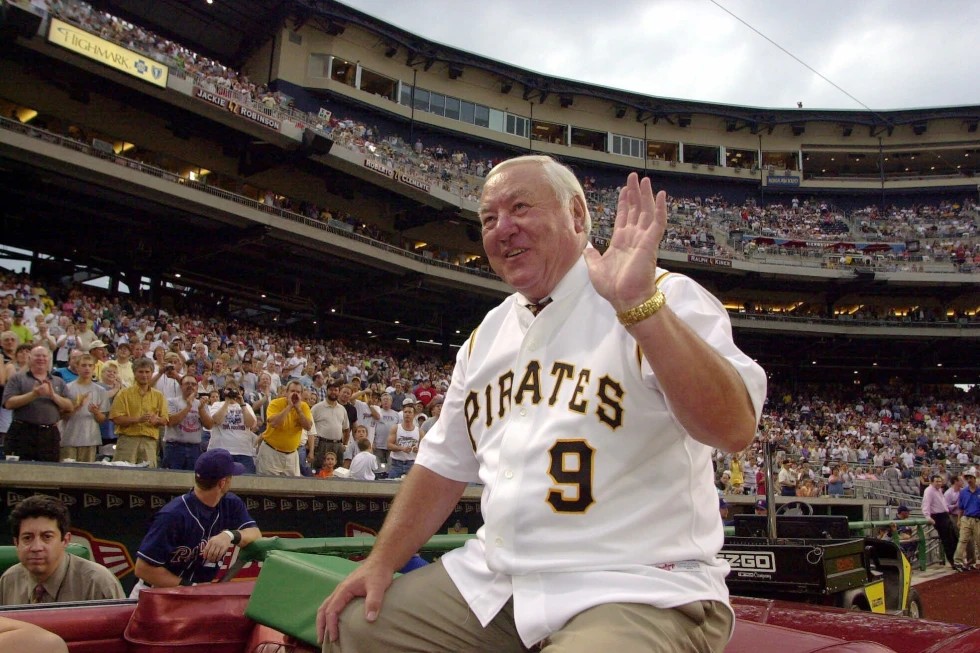
Bill Mazeroski, the renowned Hall of Fame second baseman known for his historic walk-off home run in Game 7 of the 1960 World Series, passed away at the age of 89. Mazeroski died on October 13, 2023, in Lansdale, Pennsylvania, where he had resided since 2019 after moving from Greensburg. No cause of death has been disclosed.
Pittsburgh Pirates owner Bob Nutting paid tribute to Mazeroski, stating, “Maz was one of a kind, a true Pirates legend. His name will always be tied to the biggest home run in baseball history and the 1960 World Series championship, but I will remember him most for the person he was: humble, gracious and proud to be a Pirate.”
Defensive Wizardry and Hall of Fame Recognition
Elected to the Hall of Fame by the Veterans Committee in 2001, Mazeroski’s statistics reveal a complex legacy. Despite having the lowest batting average, on-base percentage, and stolen base total of any second baseman in Cooperstown, he was celebrated for his defensive prowess. Over his 17-year career, he posted a lifetime batting average of .260, hitting 138 homers and stealing 27 bases, with an on-base percentage of .299. He never achieved a .300 batting average or 100 runs batted in.
His Hall of Fame plaque describes him as a “defensive wizard” who possessed “hard-nosed hustle” and a “quiet work ethic.” A ten-time All-Star, he turned a major league record of 1,706 double plays, earning the nickname “No Hands” for his remarkable ability to field grounders swiftly. He led the National League in assists for second basemen nine times and has been cited by statistician Bill James as the greatest defensive player at his position.
“I think defense belongs in the Hall of Fame,” Mazeroski stated during his induction speech. “Defense deserves as much credit as pitching and I’m proud to be going in as a defensive player.”
A Historic Moment in Baseball
While Mazeroski was revered for his defensive skills, his most iconic moment unfolded at the plate. On October 13, 1960, in front of approximately 36,000 fans at Forbes Field, he secured his place in baseball history with a ninth-inning home run that clinched the World Series for the Pittsburgh Pirates against the New York Yankees. The series showcased a stark contrast in offensive performance; the Yankees outscored the Pirates 55-27 overall. Yet, despite the odds, Mazeroski delivered the decisive blow in a thrilling conclusion.
In a game defined by drama, the Pirates initially led 4-0, only to see the Yankees rally back to take a 7-4 lead. The Pirates responded with a five-run eighth inning, showcasing their resilience. As the game entered the final frame tied at 9-9, the tension heightened. Mazeroski stepped up to the plate against Yankees pitcher Ralph Terry, who was struggling with fatigue.
After a brief exchange with catcher Johnny Blanchard, Terry delivered a pitch that Mazeroski would famously describe as a slider that didn’t slide. Mazeroski connected, launching the ball over the ivy-covered brick wall, igniting celebrations throughout Pittsburgh. His home run marked the first time a World Series concluded with a homer, ensuring that the date and time—3:36 p.m.—would be etched in the memories of fans.
The aftermath of this historic moment saw a city erupt in joy, with fans rushing the field to celebrate with Mazeroski. Reflecting on that day years later, he remarked, “I was just looking to get on base. Nothing fancy, just looking for a fastball until he got a strike on me.”
Following his playing career, Mazeroski remained connected to the Pirates, serving as a coach and instructor. His contributions to the team were honored when the Pirates retired his jersey number, No. 9, in 1987. In recognition of his legacy, a statue commemorating his Game 7 heroics was unveiled in 2010, positioned along Bill Mazeroski Way in Pittsburgh.
Born during the Great Depression in Wheeling, West Virginia, Mazeroski faced significant challenges in his early life. He grew up in a modest environment, often practicing baseball with his father, Louis Mazeroski, who encouraged his athletic pursuits. Drafted by the Pirates at just 17, Mazeroski’s journey from a coal miner’s son to a Hall of Famer serves as an inspiring testament to his dedication and skill.
Bill Mazeroski’s impact on baseball extends far beyond the statistics. His humble demeanor, fierce competitiveness, and historic contributions have left an indelible mark on the sport and the city of Pittsburgh. As fans and teammates remember him, his legacy as one of the game’s greats will endure.