The ongoing tensions surrounding Russia’s participation in international sports have come to a head as the country faces a ban from the Winter Olympics. This marks the fifth consecutive Olympic Games where athletes from Russia and Belarus will be unable to represent their nations due to sanctions imposed by the International Olympic Committee (IOC). The sanctions are a direct response to Russia’s invasion of Ukraine in February 2022, which has sparked significant international debate about fairness and inclusion in global sports.
Historically, Russia has had a strong presence in the Winter Olympics. The Soviet Union first competed in the 1956 Winter Games in Cortina d’Ampezzo, achieving remarkable success. This year, as the Winter Olympics return to the same venue, the absence of Russian athletes has reignited discussions about the complexities of geopolitical issues in sports.
Kirsty Coventry, the IOC president, stated that the executive board will maintain its approach from the 2024 Paris Olympics regarding athlete participation. The IOC’s ban on Russia, enacted in October 2023, came after the country took over sports councils in regions of Ukraine, violating the Olympic Charter. While some sports federations, such as World Athletics, have imposed strict bans on Russian athletes, the IOC has allowed a pathway for individual neutral athletes (AINS) to compete, provided they pass a vetting process to ensure they have not supported the war or have military affiliations.
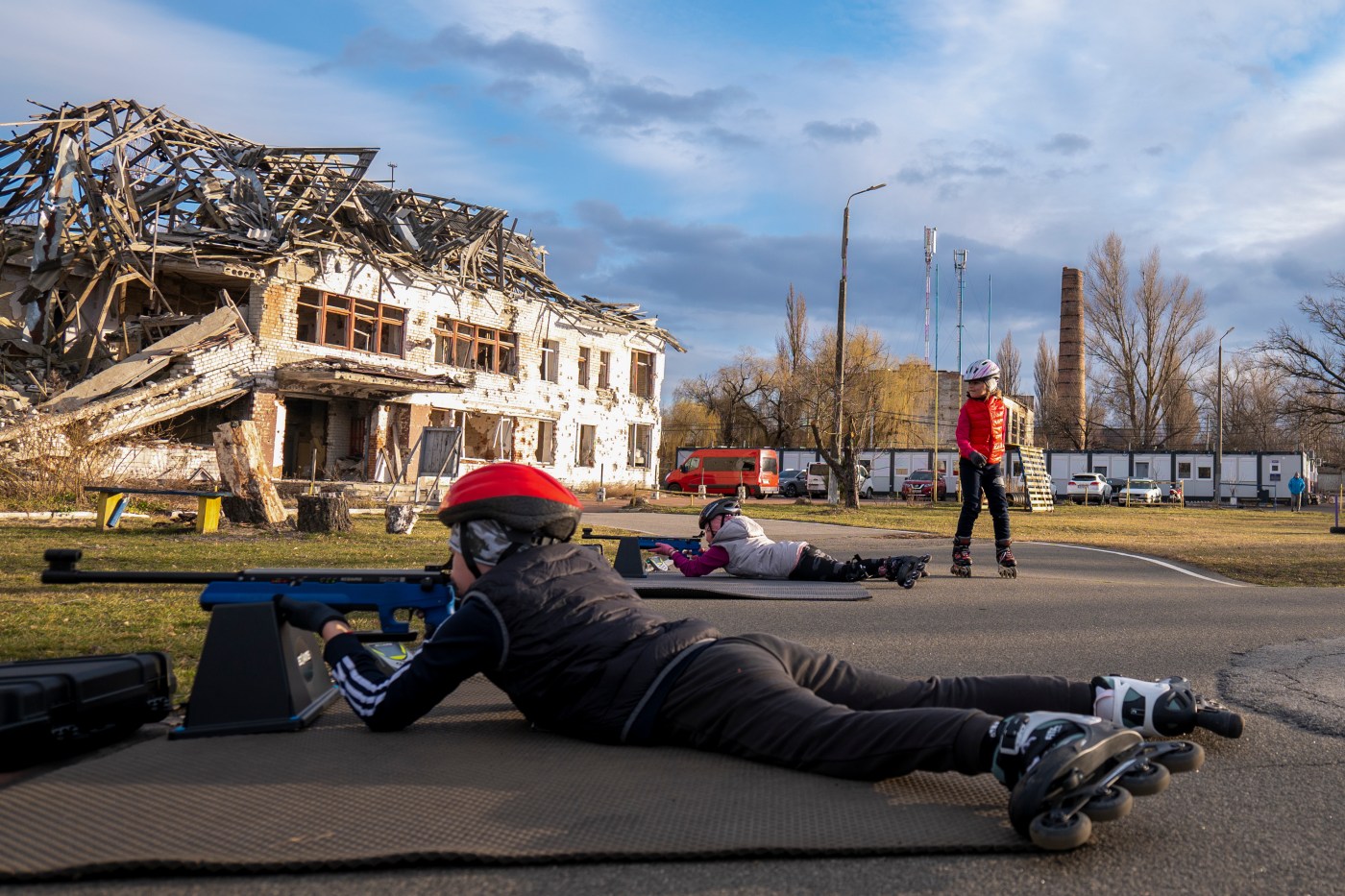
The current situation has left both sides of the debate dissatisfied. President Vladimir Putin and many Russians view the IOC’s actions as unjust discrimination against their country. In contrast, Ukrainian athletes and their supporters argue that the measures remain insufficient and call for a complete ban on Russian participation in sports. Ukrainian Prime Minister Volodymyr Zelenskyy has urged the IOC to take a firmer stance, citing the ongoing violence and the toll on Ukrainian athletes, with over 600 reported deaths among athletes and coaches due to the conflict.
Zelenskyy highlighted the use of sports by Russia to promote propaganda and has called for accountability from international governing bodies. According to Terrence Burns, a consultant with extensive experience in Olympic branding, the IOC faces a challenging but necessary task. He noted, “If Russia wants to rejoin, it’s going to have to demonstrate its willingness to change.”
There are stark contrasts in the perspectives of various stakeholders. While many in Russia embrace the narrative of persecution due to the Olympic ban, experts like Robert English from the University of Southern California argue that the majority of Russians may blame their government rather than the IOC for the current sporting isolation. English pointed out that the perception of hypocrisy in international sports, especially regarding historical U.S. military interventions, fuels this sentiment.
As the 2024 Winter Olympics approach, the IOC’s handling of Russian participation remains a contentious issue. While some sports organizations have called for absolute bans, others have adopted a more lenient approach. In the wake of the IOC’s decision, Dominik Hašek, a former Czech hockey player, expressed his outrage over the NHL’s promotion of Russian athletes, suggesting it sends a troubling message to the Kremlin.
The IOC’s current strategy attempts to balance inclusion with accountability. James Macleod, the IOC’s director of national Olympic committee relations, emphasized the necessity of keeping communication open with Russian authorities, indicating a complicated path forward for Russian athletes.
The historical context of Russia’s Olympic journey underscores the significance of this ongoing debate. The Soviet Union once dominated the Winter Olympics for nearly four decades, claiming the top position in medal standings consistently. However, following the dissolution of the Soviet Union, Russia continued this legacy, achieving notable successes in the 1994 and 2014 Winter Games, despite controversies surrounding doping scandals that have plagued the nation.
As the world witnesses the unfolding events in Cortina d’Ampezzo, it is clear that the implications of the ban extend far beyond the realm of sports. The intersection of politics and athletics presents a complex landscape where decisions made at the Olympic level reflect broader geopolitical tensions. The evolving narrative will continue to shape the future of Russian athletes and their place in the international sporting community.