Rutgers University announced the appointment of Travis Johansen as the new defensive coordinator for the upcoming 2026 season. This decision comes after a two-month search that left fans anxious as the program faced challenges in bolstering its defensive lineup before the closing of the transfer portal. Head Coach Greg Schiano, noted for his demanding coaching style, faced scrutiny as the team finished the previous season with one of its poorest defensive performances in years.
The Scarlet Knights concluded the 2025 season with a disappointing record of 5-7, largely attributed to their struggles on defense. The team ranked 129th in total defense, allowing an average of 473.7 yards per game, and 119th in scoring defense, conceding 35.2 points per game. The defense particularly faltered in passing and rushing, with rankings of 128th and 105th, respectively. As a result, Schiano took over play-calling duties, leading to the dismissal of co-defensive coordinators Robb Smith and Zach Sparber.
Fans expressed frustration as recurring mistakes plagued the defensive unit, particularly among the safety positions held by Kaj Sanders and Jet Elad. Despite fielding one of the strongest offensive lineups in recent history, featuring elite receivers KJ Duff and Ian Strong, along with running back Antwan Raymond, the lack of defensive prowess contributed to missed opportunities in crucial games against teams like Iowa and Penn State.
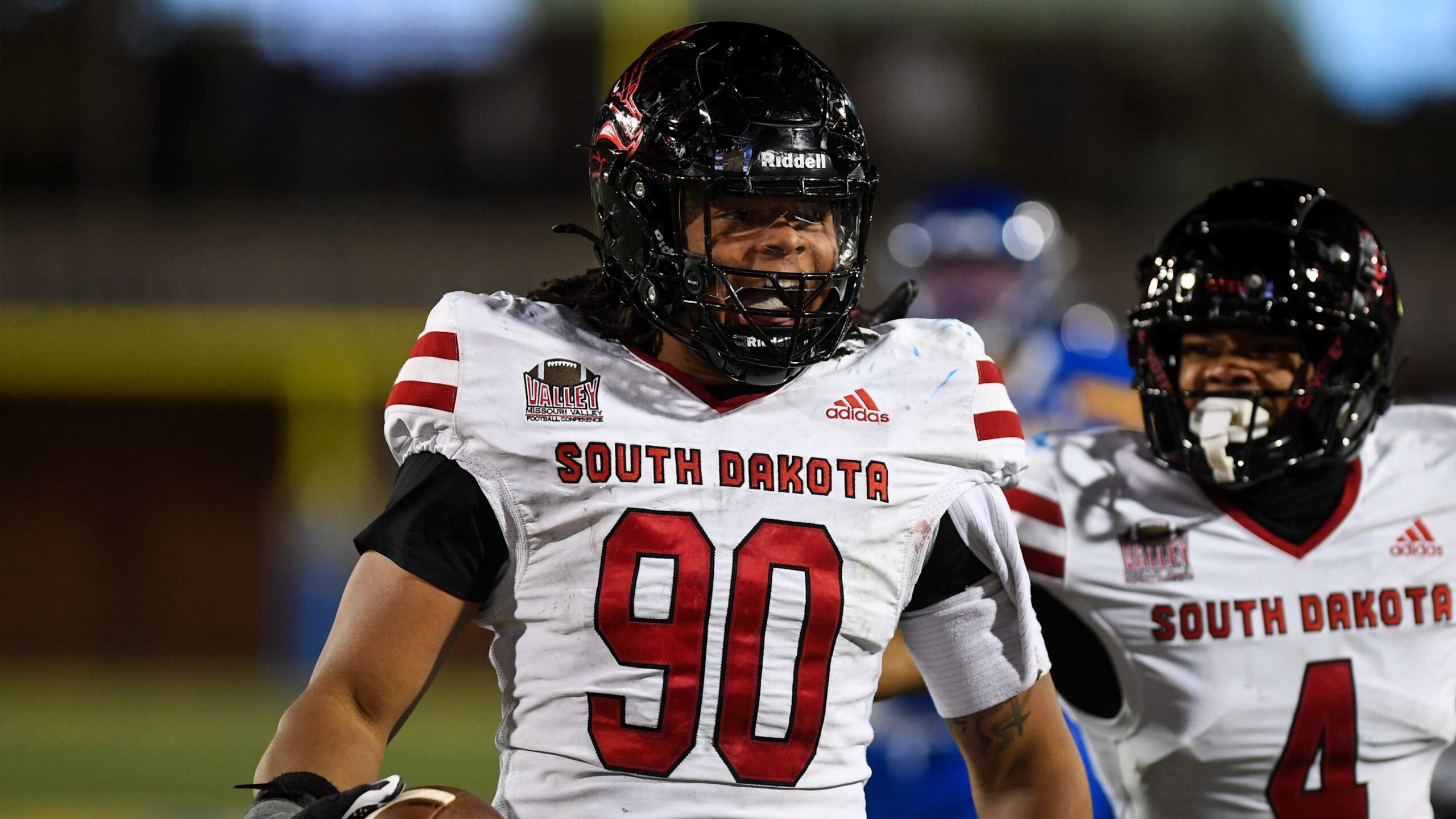
Looking ahead, the arrival of Johansen brings renewed hope. Previously the head coach at South Dakota, Johansen led the Coyotes to notable success, including a dominant 47-0 playoff victory against Mercer in December 2025. His teams were recognized for their ability to pressure quarterbacks while maintaining solid fundamentals in the secondary, a crucial balance that the Scarlet Knights hope to replicate.
Innovative Defensive Strategies Expected
Johansen’s coaching philosophy emphasizes a “position-less” approach, allowing players to adapt to various roles based on their athletic abilities. This flexibility could serve as a tactical advantage, reminiscent of successful defenses in college football, such as that of Michigan under Wink Martindale. This strategy contrasts sharply with the previous season’s rigid roles, which often left players lost on the field.
In Johansen’s tenure at South Dakota, his defenses consistently ranked among the top in FCS football. Notably, in the 2023 season, South Dakota’s defense was ranked No. 8 in scoring defense, allowing just 17.7 points per game. Johansen’s teams showcased their ability to apply pressure and create turnovers, a stark contrast to the struggles faced by Rutgers in 2025.
As Rutgers prepares for the upcoming season, the hope is that Johansen can instill a defensive mindset that emphasizes adaptability and aggression. His previous success suggests that he could revitalize a struggling unit and lead the Scarlet Knights to improved results in the competitive landscape of the Big Ten Conference.
The challenge will be translating his proven strategies from the FCS level to the demands of major college football. Nevertheless, for Rutgers fans, the hiring of Johansen represents a significant step in addressing the program’s defensive deficiencies and restoring competitive competitiveness in the upcoming season.
With the right adjustments, Rutgers could be poised to not only improve their win-loss record but to also reclaim their status as a formidable force in college football.