UPDATE: Afrikaners are now receiving unprecedented attention and access at the U.S. Embassy in South Africa, signaling a significant shift in diplomatic relations under the Trump administration. This development comes as U.S. officials express heightened interest in Afrikaner issues, including rights and economic challenges, which were previously overlooked.
Earlier this year, prominent Afrikaner leader Theo de Jager and two others were greeted warmly in Washington, meeting with representatives from Vice President JD Vance’s office and discussing past concerns regarding the killings of white farmers in South Africa. De Jager noted a stark contrast to his experiences during the Obama administration, emphasizing that officials now seem eager to listen.
Since Donald Trump took office in January 2025, his administration has taken a hard stance against South Africa, halting U.S. aid and imposing 30% tariffs on South African imports. Trump has cited the alleged persecution of Afrikaners as justification for these measures, claiming that they face genocide. This shift in policy has opened doors for Afrikaners to engage more directly with U.S. diplomats, a notable change from previous administrations.
The U.S. Embassy is reportedly not just hosting social gatherings that include Afrikaner leaders but is also actively engaging with them on policy proposals. The embassy has begun sharing social media content in Afrikaans, further indicating this newfound approach.
Jaco Kleynhans from the Solidarity Movement stated, “The extent of our access and engagement has increased tremendously in the past 10 months.” Kleynhans communicates weekly with U.S. officials in Washington, marking a significant increase in interaction compared to previous years.
Former U.S. Ambassador to South Africa Patrick Gaspard expressed astonishment at the level of attention Afrikaner organizations are receiving now, describing their previous standing as “peripheral.” He noted that during his tenure, these groups lacked the influence they now seemingly possess.
This year’s Independence Day celebration at the U.S. Embassy featured a notable presence of Afrikaners, with attendees enjoying American treats such as Krispy Kreme doughnuts and Budweiser. Business leader Gerhard Papenfus, who attended for the first time, remarked, “Here’s an administration that reaches out and says, ‘We hear you.’”
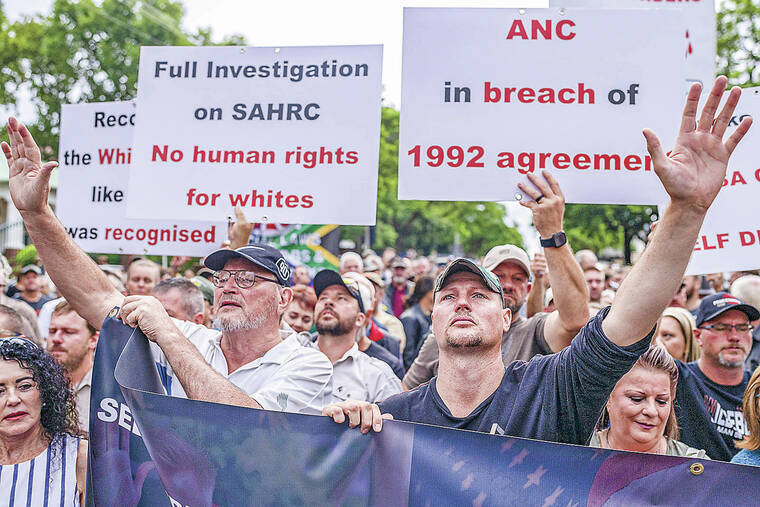
However, this increased visibility for Afrikaners is causing tensions back home. Some South African lawmakers are calling for investigations into Afrikaner organizations for alleged treason, accusing them of disseminating misinformation that could harm U.S.-South Africa relations. Activist Kallie Kriel of AfriForum explained that foreign missions are cautious about engaging with Afrikaners due to the South African government’s stance.
Despite being able to attend embassy gatherings in the past, the current level of attention is surprising even to Afrikaners. De Jager shared an anecdote where a U.S. diplomat recognized him for his open letter to Trump regarding refugee status for Afrikaners, indicating a significant shift in diplomatic engagement.
As this situation develops, the implications for U.S.-South African relations remain to be seen. The Trump administration’s focus on Afrikaner rights could reshape diplomatic priorities and affect broader geopolitical dynamics.
Stay tuned for more updates as this story unfolds, reflecting a critical juncture in international relations that may resonate far beyond South Africa.