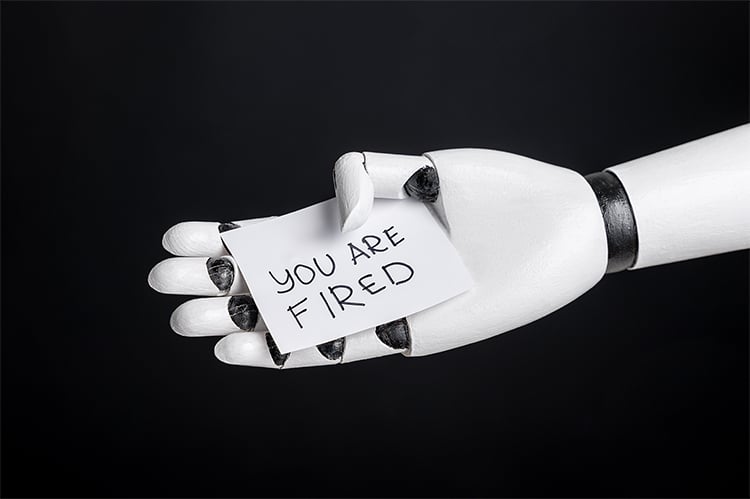
UPDATE: New data reveals that AI is being blamed for 55,000 job losses in 2025, a fraction of the staggering 1.1 million layoffs this year, the highest since the COVID-19 pandemic. While companies claim automation is the culprit, the reality is more complex, according to a recent report from consulting firm Challenger, Gray & Christmas.
The tech industry has been particularly hard hit, with major firms like Amazon announcing significant workforce reductions. As Amazon CEO Andy Jassy stated earlier this year, AI would lead to a workforce that “needs fewer people doing some of the jobs that are being done today.” However, Jassy later clarified that the recent layoffs were “not even really AI driven.”
Despite the narrative surrounding AI’s role in job losses, it appears that technological advancements are not the primary cause. The Challenger, Gray & Christmas report indicates that more than twice as many layoffs were attributed to restructuring, while market conditions accounted for four times as many job cuts. The manufacturing sector has also seen a decline, losing nearly 60,000 jobs since January, and these losses are not due to AI.
The data raises critical questions about the real drivers behind these layoffs. Many companies may be using AI as a scapegoat to justify cuts while deflecting attention from their own over-hiring during economic booms. Salesforce, for example, has boasted that it now completes as much as 50% of its work with AI, yet the majority of layoffs stem from strategic decisions rather than technological necessity.
Adding to the urgency, a study from MIT found that 95% of organizations that embarked on AI initiatives reported zero financial return on their investments. This reflects a growing concern that while companies push for automation, they are simultaneously blocking new hiring opportunities, particularly for entry-level positions.
As the job market continues to tighten, the impact on workers is profound. Many are left questioning the future of their roles in a landscape increasingly dominated by AI. The emotional toll on those affected is significant, with families relying on stable incomes now facing uncertainty.
Moving forward, it will be crucial to monitor the ongoing trends in layoffs and hiring practices. Analysts suggest that companies may need to reassess their reliance on AI as a justification for job cuts and consider the broader economic factors at play.
The conversation around AI and employment is far from over. As companies navigate this rapidly changing landscape, employees and job seekers alike must remain vigilant and adapt to these evolving dynamics. The implications of this ongoing shift in the workforce will likely resonate for years to come, making it a pivotal issue for both the economy and society at large.