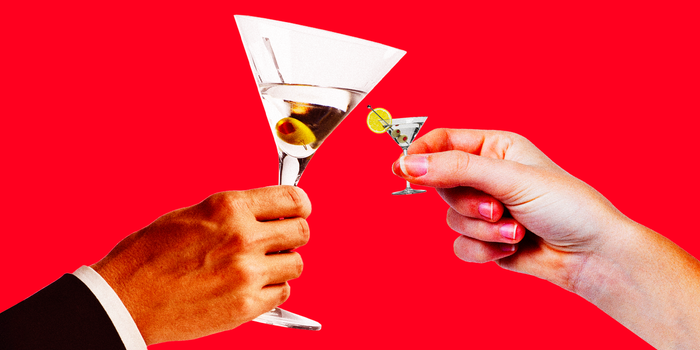
UPDATE: A new trend is emerging as Americans drink less, significantly impacting the traditional Dry January. Bartender Angello Warren from Chicago reports an unexpected surge in liquor sales this January, contradicting the typical trend of reduced consumption during the month.
Warren notes that his bar has been bustling with corporate events where patrons are drinking freely, leading him to cut off party hosts for overindulgence. “I’ve had to cut off hosts of parties because they’re drinking too much,” he states. This shift signals a broader cultural change in drinking habits, as many Americans appear to be opting for moderation instead of complete sobriety.
According to a recent survey by IWSR, interest in Dry January is stalling, particularly among Gen Z audiences. Consumer insights firm CivicScience reveals a slight increase in those wanting to participate this year, but the number of dropouts has nearly doubled during the month. This decline reflects an evolving perception of alcohol consumption, moving from a zero-sum game to a more balanced approach.
Sales data from Square indicates a significant rise in nonalcoholic beverage sales, up by 19% in the first two weeks of January compared to last year. Meanwhile, establishments are witnessing a boost in overall alcohol sales, with breweries seeing a 7% increase, bars 10%, and clubs and lounges a staggering 34% rise.
Warren himself is partaking in a modified version of Dry January, allowing himself to drink on weekends while substituting nonalcoholic options during the week. “Dry January has been very wet,” he reflects, highlighting the cultural shift away from strict sobriety.
As the conversation around alcohol softens, many consumers are adopting new strategies for moderate drinking, such as “zebra striping”—alternating between alcoholic and nonalcoholic drinks—or “bookending” their nights with nonalcoholic options. Experts suggest this moderation is reducing the need for an entire month of sobriety.
The trend is apparent in other establishments as well. Tom Brander, beverage director at Wilder in Philadelphia, notes a decrease in nonalcoholic option sales despite increased overall alcohol sales. “We are seeing less people opting out of drinking,” he mentions, indicating a shift away from binary thinking regarding alcohol.
Despite warnings from health officials in previous years about alcohol’s health risks, public discourse appears to be relaxing. This year, conversations around alcohol consumption are increasingly focused on socializing and moderation rather than abstinence.
Economic factors are also influencing drinking habits. Tighter budgets due to inflation and rising living costs are prompting many to reconsider their alcohol consumption. The ongoing economic uncertainty, coupled with health trends such as the rise of GLP-1 medications, is shaping a more cautious drinking culture.
The evolving relationship with alcohol in America raises questions about the future of initiatives like Dry January. As younger generations navigate their social lives post-pandemic, their drinking habits may continue to change, potentially leading to different norms around alcohol consumption.
Jonathan Hunt-Glassman, CEO of Oar Health, emphasizes that Dry January can serve as a valuable opportunity for self-reflection regarding drinking habits. He asserts that moderation is a legitimate goal for many, suggesting that the focus should shift from total abstinence to more manageable drinking patterns.
As the month progresses, the impact of these trends on America’s drinking culture becomes increasingly apparent. With more people embracing moderation and less guilt associated with occasional drinking, Dry January may be evolving into a more nuanced cultural phenomenon.
Stay tuned for further updates on this developing story as we track the shifting landscape of alcohol consumption in America.