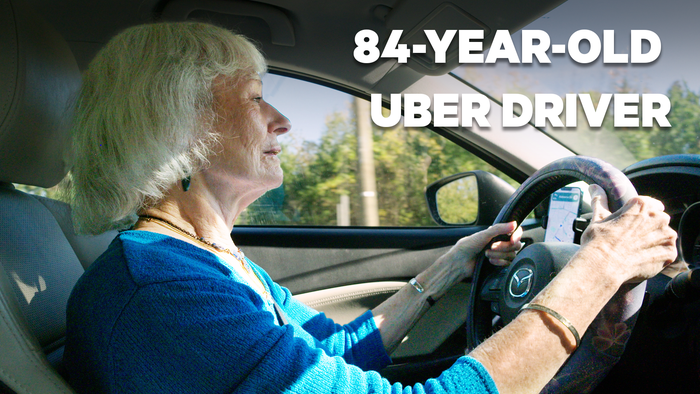
New reports confirm that many Americans over the age of 80 are urgently continuing to work to meet rising financial demands. Whether it’s driving for Uber or taking on roles as substitute teachers, these individuals showcase remarkable resilience and a strong sense of purpose in an economy that provides little safety net.
In a revealing report shared by Business Insider, four individuals aged 80 and older opened up about their ongoing struggles and motivations to remain in the workforce. Their stories highlight the pressing need to supplement incomes amid increasing living costs, especially in a time when financial stability is more critical than ever.
These Americans illustrate what it truly means to keep going beyond the age of 80. For many, the choice to continue working is not just about personal fulfillment; it’s a necessity driven by economic pressures. As inflation rates rise and healthcare costs continue to soar, these seniors are adapting to ensure their security and independence.
One participant, who drives for Uber, stated, “I need to keep earning to cover basic expenses. The bills don’t stop just because I’m older.” This sentiment resonates with many who find themselves in similar positions, emphasizing the urgent reality of financial insecurity faced by older adults today.
The implications of this trend are significant. With the population of seniors increasing, it impacts not just the individuals but also the economy at large. The workforce participation of older adults is becoming a crucial element in discussions about economic sustainability and social support systems.
As these stories unfold, they serve as a poignant reminder of the challenges faced by older Americans. Many are navigating a landscape where traditional retirement is no longer a feasible option. The resilience demonstrated by these individuals underscores the importance of addressing the financial and social needs of seniors.
Looking ahead, it is essential to watch how policymakers respond to these evolving dynamics. There is a growing call for enhanced support systems for older workers, particularly as more individuals seek to balance the desire for independence with the harsh realities of modern economics.
The narratives of these Americans over 80 are not just personal stories; they are a reflection of a broader societal issue that demands immediate attention. As we move forward, the question remains: how will we support the growing number of seniors who are redefining what it means to age in the workforce?
This urgent conversation is just beginning and will likely intensify as more individuals share their experiences. The resilience of these seniors is inspiring, but it also highlights the critical need for systemic change to ensure that aging in America is a path filled with dignity and opportunity, not just survival.