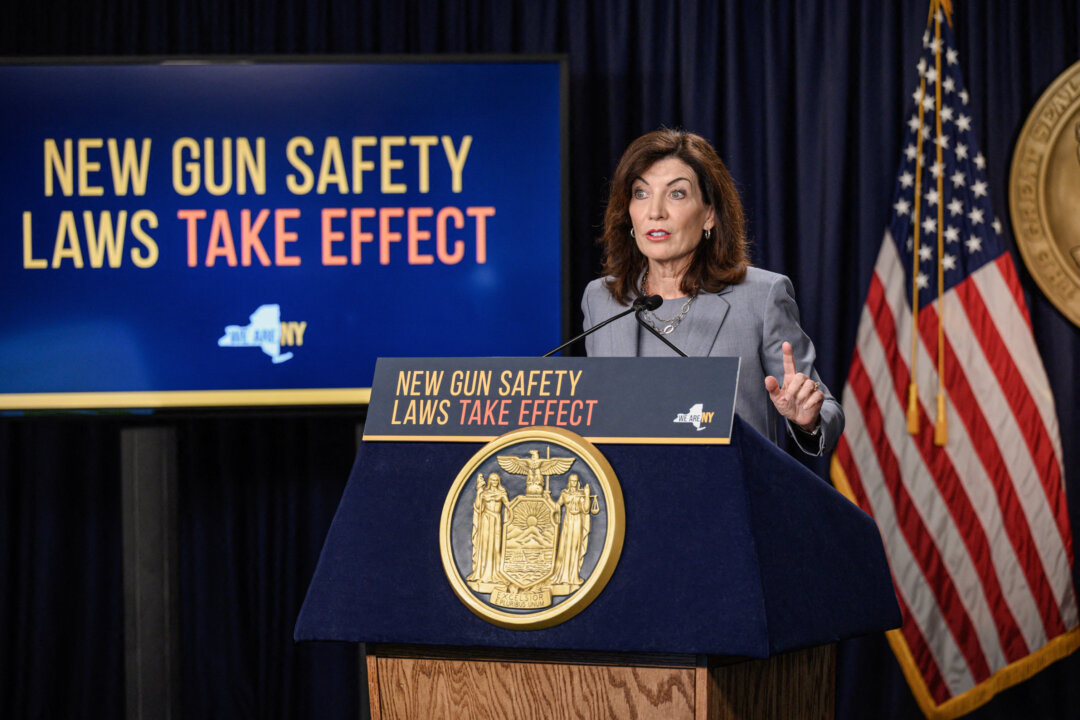
BREAKING: The U.S. Court of Appeals for the Second District has confirmed that New York’s requirement of at least 18 hours of training for a concealed-carry license is constitutional. This urgent decision, issued on November 21, is a significant development in the ongoing legal battles surrounding the state’s Concealed Carry Improvement Act (CCIA), which was enacted by Governor Kathy Hochul on August 31, 2022.
The court’s unpublished and unsigned opinion reinforces the notion that states have the authority to mandate training as part of their licensing procedures. The ruling cites precedents set by the U.S. Supreme Court, particularly in the landmark cases of District of Columbia v. Heller and New York State Rifle and Pistol Association v. Bruen, which acknowledged firearm training requirements as part of constitutional licensing frameworks.
This ruling is particularly crucial as it comes amid a climate of heightened scrutiny and legal challenges to gun control measures across the nation. The CCIA was designed to enhance safety and accountability among individuals carrying concealed firearms, aiming to address public concerns about gun violence.
WHY THIS MATTERS NOW: As states grapple with their firearm regulations, this ruling sets a precedent that could influence similar laws nationwide. Gun rights advocates and public safety proponents are closely monitoring the implications of this decision, which could further fuel debates over Second Amendment rights and state-level regulations.
NEXT STEPS: Legal experts anticipate that this ruling may be appealed to the U.S. Supreme Court, potentially leading to further nationwide discussions on the balance between individual rights and public safety. Stakeholders on both sides of the issue are gearing up for potential ramifications, making this a pivotal moment in the ongoing discourse about gun laws in America.
Stay tuned for more updates as this story develops and watch for reactions from lawmakers, advocacy groups, and citizens who are passionately engaged in this critical issue.