UPDATE: Budapest’s stunning architectural landmarks are capturing global attention as their rich histories reflect Hungary’s evolution from a medieval kingdom to a modern European nation. Visitors and locals alike are urged to explore these iconic sites, each telling a unique story about Hungary’s cultural and political identity.
RIGHT NOW, Buda Castle stands as a testament to resilience, dominating the skyline since the 13th century. Originally constructed following the Mongol invasion, it has been extensively rebuilt after significant damages from past wars, most recently after World War II. Today, it houses museums and the National Széchényi Library, welcoming students and tourists alike to discover its treasures.
The Hungarian Parliament Building, completed in 1904, is another must-see. As one of Europe’s largest legislative buildings, it symbolizes Hungary’s quest for independence within the Austro-Hungarian Empire. The iconic structure, designed in Neo-Gothic style, is not just a political hub; it also safeguards the Holy Crown of Hungary, making it a pivotal stop for anyone interested in the nation’s heritage.
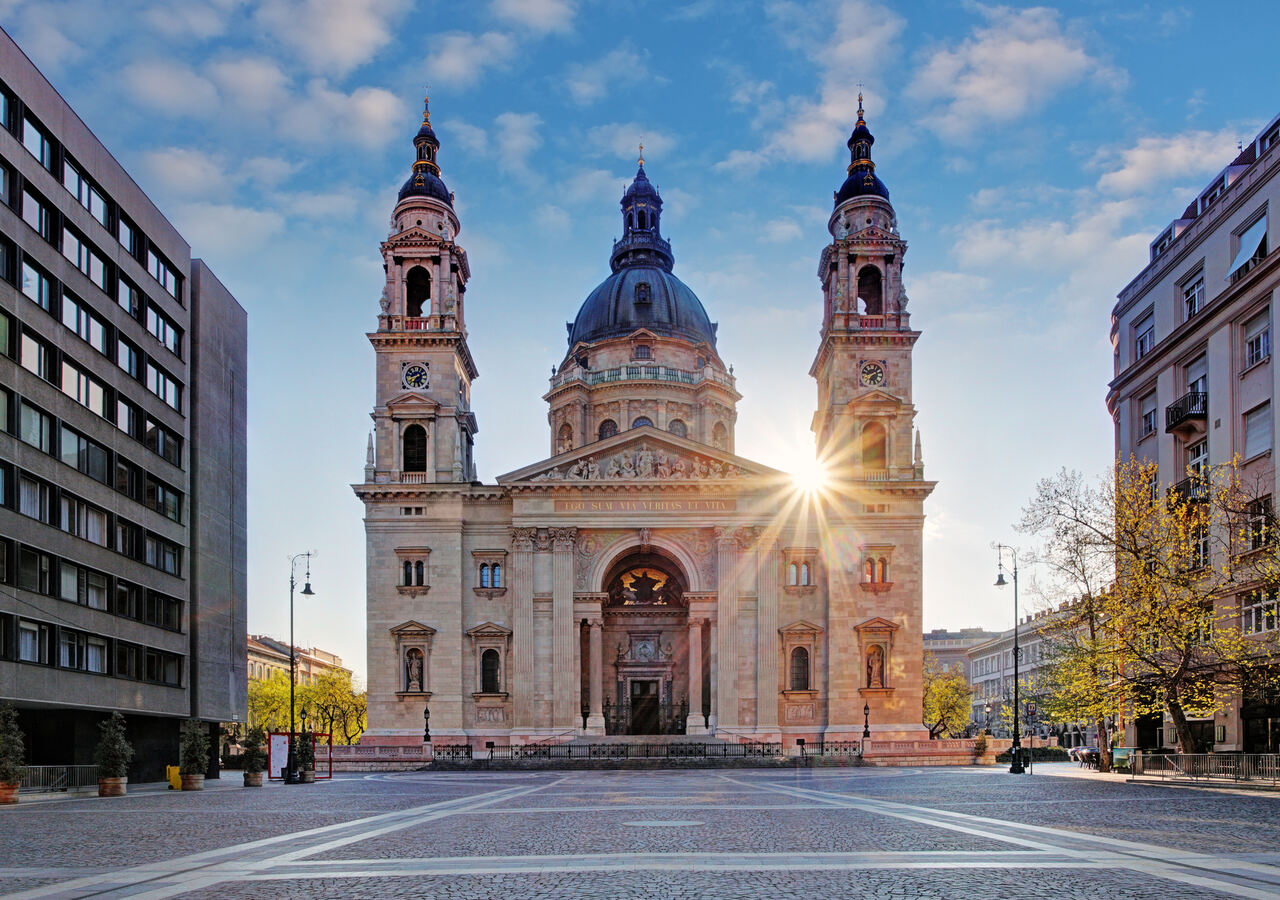
Visiting St Stephen’s Basilica is essential for understanding Hungary’s spiritual journey. Named after the nation’s first king, this grand structure took over 50 years to complete, facing numerous setbacks, including a dome collapse. Now one of Budapest’s tallest buildings, it serves as a vital venue for concerts and religious services, bridging the gap between history and modern spirituality.
The Chain Bridge, opened in 1849, revolutionized transportation by becoming the first permanent link between Buda and Pest. This engineering marvel played a critical role in unifying the two sides of Budapest, which officially merged in 1873. Its historical significance is matched only by its stunning views of the Danube.
For breathtaking vistas, visitors flock to the Fisherman’s Bastion. Despite its medieval appearance, this picturesque terrace was built around 1900 as a decorative feature, offering fairytale-like views of the Parliament and the river. It remains one of the most photographed spots in the city.
Heroes’ Square is a powerful national monument, commemorating Hungary’s historic leaders. Created in 1896 to celebrate the millennium of the Hungarian state, it is currently undergoing its first major restoration in 120 years. The statue of Gabriel Archangel is expected to return in 2026, promising to enhance the square’s significance even further.
WHY IT MATTERS NOW: Each of these landmarks not only provides stunning views but also serves as a reminder of the events that shaped Hungary’s identity. Exploring these sites offers both locals and tourists a chance to engage with the past and understand the present.
As Hungary continues to embrace its rich history, these landmarks remain vital to national pride and cultural education. The stories they tell are not just about bricks and mortar but about the people, faith, and resilience that define Hungary today.
For those planning a visit, it’s worth noting that many of these landmarks are located close together in central Budapest, making it easy to see multiple sites in a single day. Public transport options and walkable streets ensure that exploring the city is both convenient and enriching.
Stay updated with the latest news about Budapest and Hungary by following our social media channels for more insights and stories that matter.