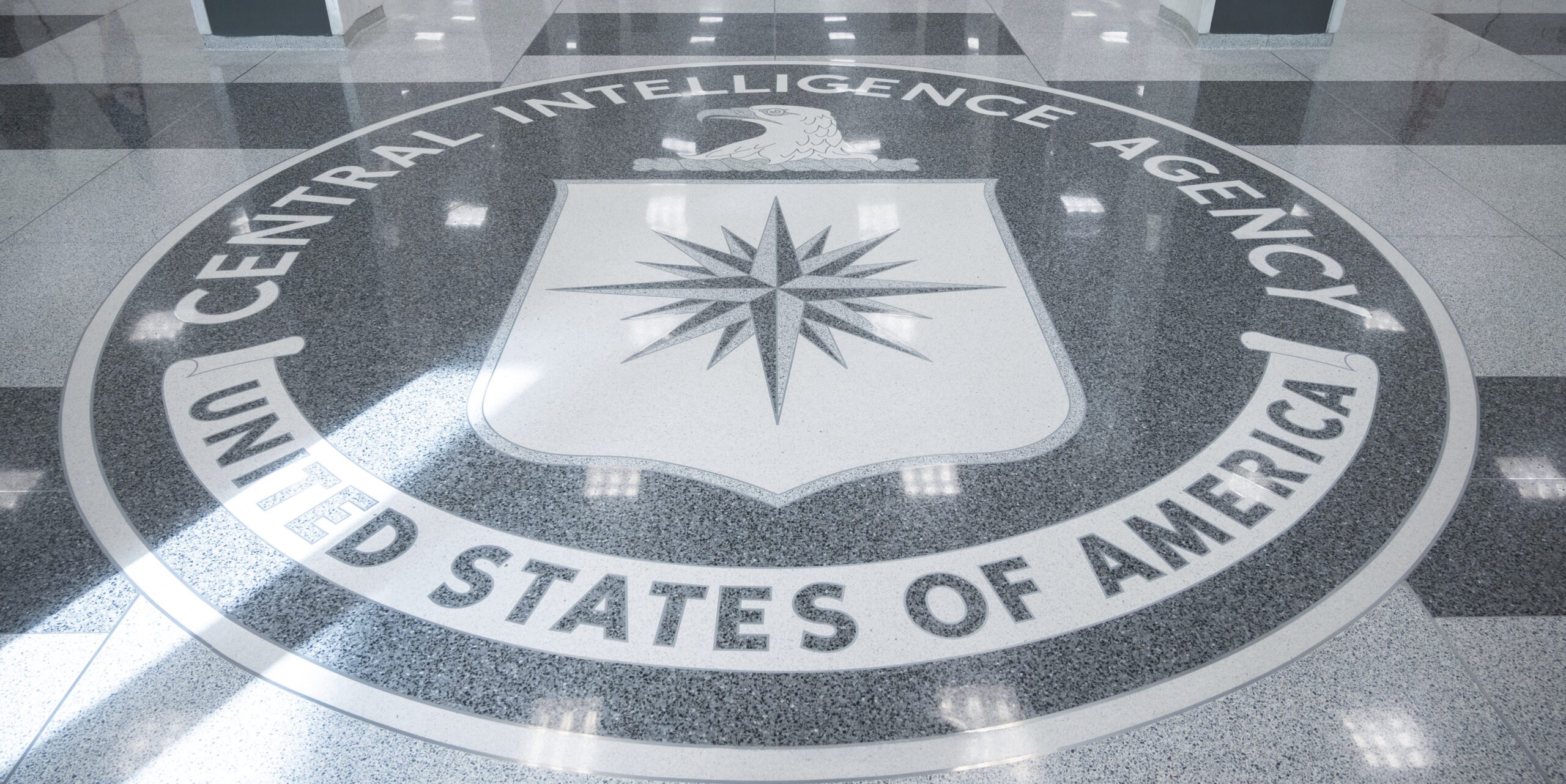
UPDATE: The CIA has confirmed its involvement in a historic drone strike against a facility in Venezuela, marking the first known U.S. military action on Venezuelan soil. This significant operation occurred on December 24, 2025, targeting a dock believed to be associated with the Venezuelan gang, Tren de Aragua. Sources indicate that no casualties resulted from the strike, which aligns with the Trump administration’s aggressive campaign against President Nicolás Maduro.
The operation was revealed by a government official who spoke anonymously due to the classified nature of the information. The strike highlights a concerning escalation in U.S.-Venezuela relations, as President Donald Trump has intensified military efforts against what his administration labels as “narco-terrorism.” Trump stated, “Now we’re going after the land,” during a Christmas Eve call to troops on the USS Gerald R. Ford, deployed in the Caribbean Sea.
On the same day, Trump declared, “We hit them very hard,” referring to the drone strike while discussing the operation with media at his residence in Mar-a-Lago, Florida. The president confirmed that the U.S. has been targeting areas used for drug trafficking operations, emphasizing the need to dismantle criminal networks.
Critics have raised alarms over the legality of this strike. Sam Ratner, policy director of Win Without War, stated, “Days after it took place, the U.S. public is finally learning about a CIA airstrike on foreign soil for which there is no legal justification or congressional authorization.” This operation raises questions about the authority and oversight of military actions taken by the Trump administration.
The CIA has historically engaged in covert operations, with a notable resurgence in drone strikes reminiscent of its activities during the War on Terror. Recent reports indicate a significant ramp-up of U.S. forces in the region, including sightings of MQ-9 Reaper drones, which are capable of carrying out targeted strikes.
This drone strike is part of a broader U.S. strategy that has seen over 107 civilians killed in at least 30 attacks on suspected drug smuggling boats since September. Experts argue these actions constitute illegal extrajudicial killings under international law, as they target individuals who do not pose an immediate threat.
As tensions continue to rise, the Trump administration has made bold claims regarding Tren de Aragua, alleging that the gang has infiltrated the U.S. and is acting as an arm of Maduro’s government. However, the Office of the Director of National Intelligence countered that there is no evidence suggesting cooperation between Maduro and the gang.
The implications of this strike extend beyond military strategy; it reflects a long history of U.S. interventions in Latin America. Historical contexts reveal a pattern of U.S. involvement that often results in long-term instability and violence, raising concerns about the potential fallout from this latest operation.
Looking ahead, observers are eagerly awaiting the administration’s next steps. Will further military actions escalate? The situation demands close monitoring as both domestic and international reactions unfold. Experts and lawmakers from both parties are calling for accountability and a reevaluation of U.S. military interventions abroad.
Next Steps: As Congress debates the legality of these operations, the future of U.S.-Venezuela relations hangs in the balance. The global community watches closely as developments continue to unfold in this high-stakes geopolitical landscape.