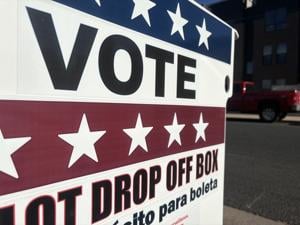
UPDATE: A new poll reveals that a significant majority of unaffiliated voters in Colorado are losing trust in both the Democratic and Republican parties, pushing for urgent changes toward moderation. Conducted by a survey funded by multimillionaire businessman Kent Thiry, this latest data shows that the political landscape in Colorado is shifting dramatically.
The poll indicates that over 60% of unaffiliated voters desire both parties to adopt more centrist positions, reflecting a growing frustration with partisanship. This sentiment is critical as these voters hold the power to sway elections, particularly during the upcoming primaries. The poll was released on October 15, 2023, and the results are an urgent call to action for party leaders.
Why It Matters NOW: With primary elections approaching in Colorado, the hesitation of unaffiliated voters to commit to either party could have profound implications for candidates vying for nomination. This group, which represents a substantial portion of the electorate, is signaling a clear message: they want candidates who prioritize compromise over division.
According to the poll, 75% of respondents expressed dissatisfaction with the current political climate, stating that extreme partisan views are alienating. Many voters fear that their needs are not being addressed, leading to increasing calls for moderation.
Context: Unaffiliated voters are a critical demographic in Colorado, making up nearly 40% of registered voters. Their electoral flexibility allows them to participate in either party’s primaries, further emphasizing their importance in shaping the political narrative. As the 2023 elections loom, this demographic’s demands for moderation may redefine how candidates approach their campaigns.
What’s Next: Political analysts warn that if parties fail to respond to these calls for moderation, they risk alienating a significant voting bloc. Candidates must quickly adapt their platforms to resonate with these voters or face the possibility of being sidelined in the primaries.
As the situation develops, observers will be watching closely to see how both the Democratic and Republican parties respond to this urgent demand for change. The outcomes may very well determine the political future of Colorado in the coming years.
Stay tuned for more updates on this rapidly evolving story as we track how these sentiments could reshape the electoral landscape.