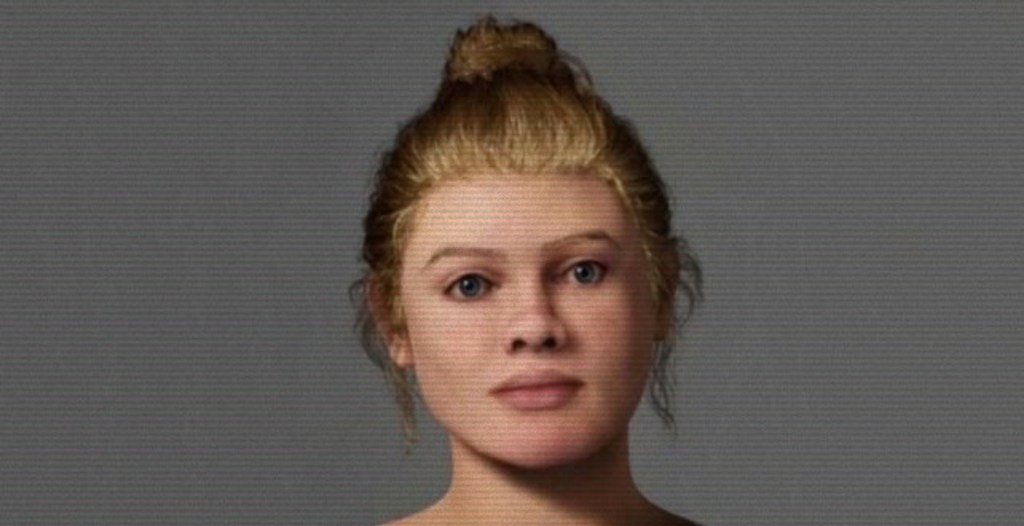
BREAKING: A decade-long mystery surrounding the identity of the “Beachy Head Woman” has been resolved through advanced DNA analysis, revealing she was local to southern England, not a migrant as previously believed.
New reports confirm that researchers at London’s Natural History Museum utilized cutting-edge DNA sequencing techniques to uncover the truth about this ancient woman, who lived between 129 and 311 CE. The findings were published in the Journal of Archaeological Science earlier today.
For years, the Beachy Head Woman was labeled as the “first Black Briton” and thought to have origins in sub-Saharan Africa. However, the latest genetic evidence shows her DNA closely aligns with individuals from rural Roman-era Britain and modern British populations.
UPDATE: The study reveals that she likely had light hair, blue eyes, and a skin tone that could range from pale to dark. This broad description highlights the complexities of interpreting ancient identities through modern lenses.
Researchers emphasized that earlier theories, which relied on craniometric analysis—a pseudoscience based on skull shape—were rooted in outdated racial biases and inaccuracies. The new genetic insights challenge these previous conclusions, demonstrating how science can evolve and correct past misconceptions.
The Beachy Head Woman, estimated to have been between 18 and 25 years old and standing just under five feet tall, consumed a seafood-rich diet and survived at least one significant leg injury. Her story serves as a reminder of the challenges in accurately reconstructing the lives of our ancestors while navigating modern biases.
This groundbreaking discovery not only reshapes the narrative of the Beachy Head Woman but also underscores the importance of using accurate scientific methods to understand our history. As researchers continue to refine their techniques, further revelations about ancient populations are likely on the horizon.
Stay tuned for more updates on this urgent and evolving story. Share your thoughts on how this discovery shifts the narrative of ancient Britain’s diverse past.