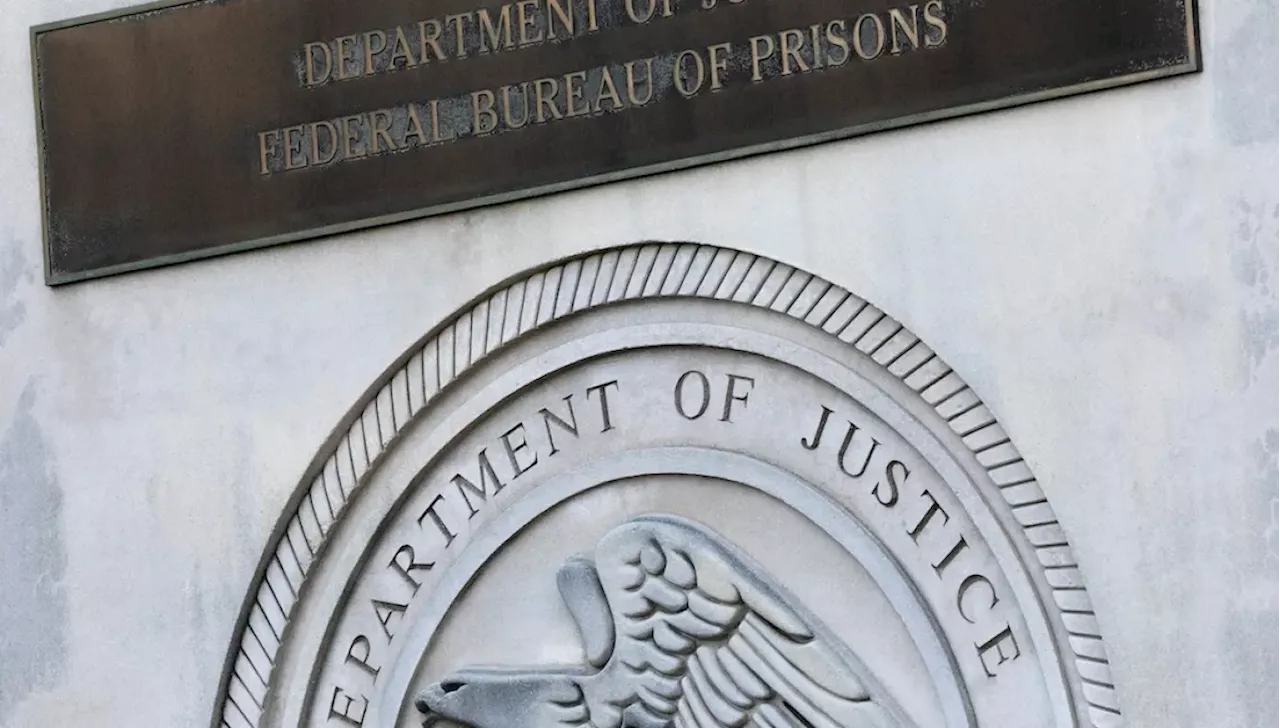
UPDATE: The U.S. Justice Department has just announced a groundbreaking policy expected to save taxpayers over $1.65 million previously allocated for transgender medical procedures in federal prisons. This urgent shift, effective as of February 19, 2023, halts funding for gender-affirming surgeries and related medical interventions for federal inmates who identify as transgender.
The new directive will prevent the Federal Bureau of Prisons from covering costs associated with surgeries, hormones, and non-medical accommodations like breast padding and makeup. Previously, the Bureau spent approximately $1.25 million on hormone-replacement therapy alone, including $130,000 on various hormone treatments.
Officials emphasize that this policy aims to address safety concerns and redirect funds toward essential medical care for all incarcerated individuals. A DOJ official stated, “The new policy will result in almost $2 million not being spent on otherwise harmful treatment that also results in safety concerns at BOP facilities.”
The decision follows a pattern of changing policies regarding transgender inmate care, with previous regulations under the Biden administration reinstating more inclusive practices. However, the current policy aligns with the Trump-era guidelines that emphasize individualized assessments over surgeries and hormone treatments.
Under the revised approach, inmates diagnosed with gender dysphoria will receive appropriate mental health support, including antidepressants and psychotherapy, rather than surgical interventions. For those currently on hormone therapy, plans will be put in place to taper their medication safely.
This policy change is sparking fierce debate, particularly from advocates who view it as a rollback of essential healthcare rights for transgender individuals. California State Senator Scott Wiener criticized the direction of the policy, claiming it reflects a broader “genocidal campaign against trans people.”
As this situation develops, the DOJ’s decision could significantly impact the lives of many federal prisoners. The agency plans to use the funds saved from these cuts to enhance medically necessary treatments across the board, which could lead to improved healthcare for all inmates.
Watch for ongoing reactions to this policy, as advocacy groups and lawmakers continue to voice their concerns about the treatment of transgender individuals in the prison system. The implications of this urgent change will resonate far beyond the prison walls, influencing discussions on healthcare access and the rights of marginalized communities across the nation.