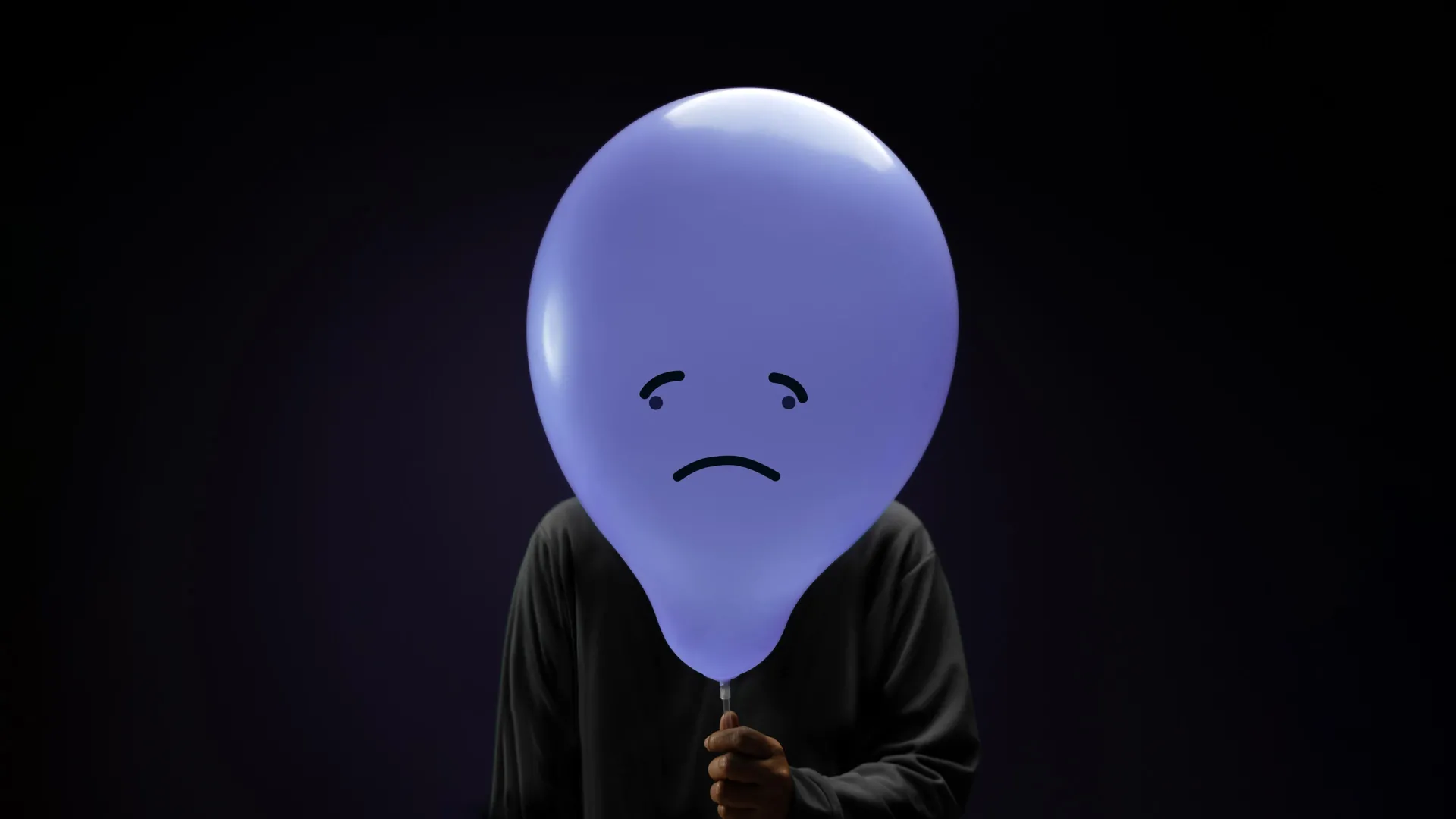
BREAKING: New research confirms that exercise may be one of the most powerful treatments for depression and anxiety, outperforming traditional therapies. A comprehensive review published in the British Journal of Sports Medicine reveals that engaging in aerobic activities like running, swimming, and dancing can significantly ease symptoms for millions globally.
The analysis, covering over 57,930 participants aged 10 to 90, consistently showed that exercise is just as effective—if not more so—than medications or talk therapy in alleviating mental health issues. With 1 in 4 people affected by depression and anxiety worldwide, these findings are urgent and timely.
According to the study, group or supervised exercise sessions yield the best results for those suffering from depression. For anxiety, shorter programs—lasting up to 8 weeks—that involve lower intensity activities are particularly beneficial. Regardless of the type or intensity, exercise was linked to a significant reduction in symptoms.
The researchers combed through 800 individual studies to assess how various exercise types impact mental health across different age groups. They found that both aerobic and mind-body practices, such as yoga and tai chi, are effective. Notably, the strongest improvements were observed among young adults aged 18 to 30 and women who recently gave birth.
The findings indicate a medium-sized reduction in depression symptoms and a small to medium-sized reduction in anxiety symptoms. This meta-analysis highlights that all forms of exercise—whether aerobic, resistance training, or mixed—are linked to improved mental health, with the benefits sometimes exceeding those of conventional treatments.
Researchers emphasize that the social aspect of exercise cannot be overlooked. The group settings not only enhance motivation but also foster a sense of community, which is crucial for mental well-being.
Despite some limitations, such as inconsistent definitions of exercise intensity, the study concludes that exercise should be considered a first-line intervention for mental health issues, particularly in regions where traditional treatments are less accessible.
As mental health continues to be a pressing global concern, these findings underscore the crucial role of physical activity in enhancing emotional resilience. The researchers advocate for tailored exercise programs to maximize the mental health benefits for individuals across all ages.
Next steps: Experts urge health professionals to incorporate exercise into treatment plans for depression and anxiety, emphasizing its cost-effectiveness and the additional physical health benefits it offers.
This groundbreaking research is a clarion call for prioritizing exercise as an essential part of mental health care, paving the way for healthier, happier communities worldwide.