BREAKING: Families of two individuals who died in San Diego jails last year have filed urgent civil rights lawsuits in federal court, alleging systemic neglect by county officials. The lawsuits target the San Diego Sheriff’s Office and its private medical contractor, Naphcare, claiming their failures directly contributed to the tragic deaths of Callen Lines and Corey Dean.
This alarming development comes amid growing scrutiny over the treatment of inmates in San Diego’s correctional facilities. Both families argue that their loved ones’ pleas for help were ignored, leading to preventable deaths.
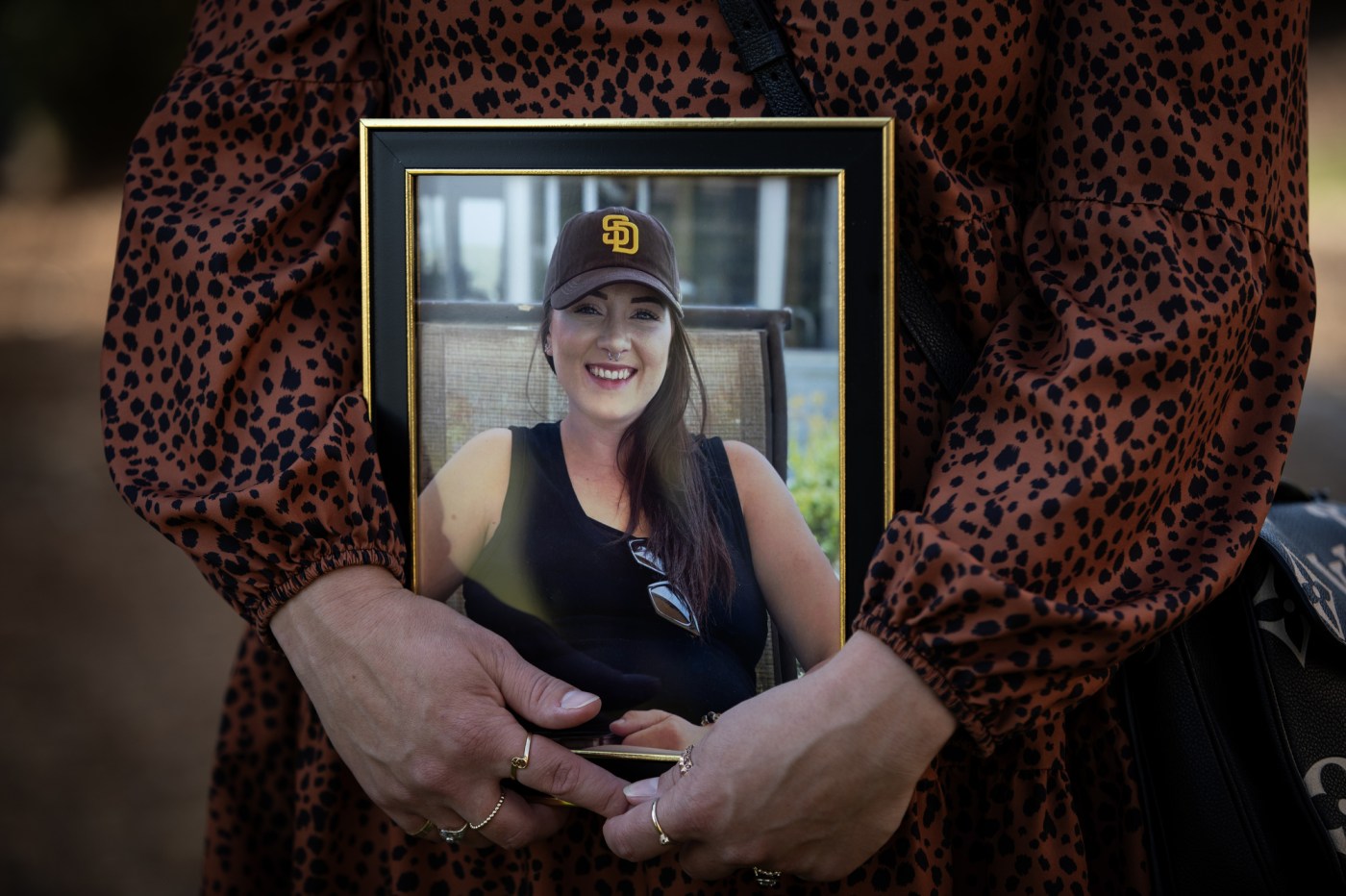
Callen Lines, a 31-year-old nursing assistant and mother of two, died on May 11, 2023, at the Las Colinas women’s jail just one day after her arrest. Her family reports that Lines was suffering from severe drug withdrawal and had previously experienced a seizure related to her condition. Despite being open about her substance use during intake, she allegedly did not receive the necessary medical attention, even as her health deteriorated.
According to the lawsuit, Lines repeatedly pressed her cell’s intercom, pleading for medical assistance before her death. Eyewitness accounts from fellow inmates reveal that deputies dismissed her cries and failed to provide urgent care. One cellmate described finding Lines “completely blue and purple” after deputies ignored her pleas, claiming she was merely “lying” about her condition.
The lawsuit states that Lines’ death was not an isolated incident but part of recurring issues within the jail system. It cites prior warnings from the National Commission on Correctional Health Care and a 2022 state audit highlighting inadequate medical care. Past incidents, including the deaths of Elisa Serna in 2019 and Vianna Granillo in 2022, underscore a pattern of neglect in the facility.
The second lawsuit, filed on the same day by the family of Corey Dean, addresses similar allegations of negligence. Dean, aged 43, suffered from schizophrenia and was placed in the general population of the Vista jail without a psychiatric assessment, despite his known mental health issues. The lawsuit details how Dean resorted to desperate measures to attract attention, including flooding his cell with water and smearing feces on himself.
Despite the alarming signs of his deteriorating mental state, Dean was not moved to appropriate psychiatric care. Clinicians recognized his bizarre behavior but failed to provide timely intervention. The lawsuit claims that he was ultimately placed in solitary confinement as a form of retaliation for his condition. Dean died just 15 days after being booked, with reports indicating he spent his last hours crying out for help.
Both families’ lawsuits highlight a critical failure of the Sheriff’s Office to address ongoing issues related to inmate care. The complaints emphasize that county leaders have long been aware of the systemic problems yet have failed to implement meaningful reforms or hold responsible parties accountable.
In response to the legal actions, a spokesperson for the San Diego Sheriff’s Office declined to comment, citing pending litigation. However, Sheriff Kelly Martinez has publicly committed to improving jail conditions and reducing inmate deaths.
With 19 deaths reported in San Diego jails in 2022, and an alarming trend continuing into subsequent years, this situation has ignited concerns among advocacy groups and the wider community. Advocates are calling for immediate reforms to prevent further tragedies.
As the legal process unfolds, the families of Lines and Dean seek justice, hoping their lawsuits will prompt necessary changes in the treatment of inmates in San Diego jails.
What’s next? The upcoming court proceedings will likely reveal more about the conditions faced by inmates and the systemic failures of the county’s medical and mental health care systems. Watch for updates on this developing story as it raises critical questions about inmate rights and the responsibilities of correctional facilities.