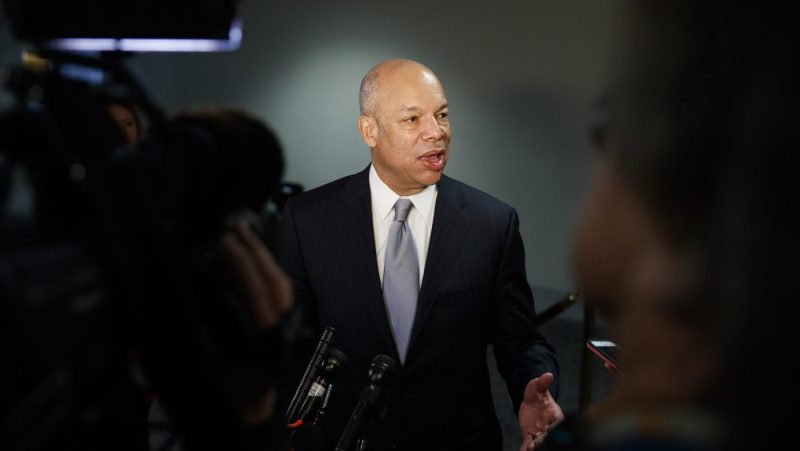
URGENT UPDATE: Former Secretary of the Department of Homeland Security (DHS), Michael Chertoff, has expressed serious concerns regarding the recruitment strategies of U.S. Immigration and Customs Enforcement (ICE). In a statement released on October 10, 2023, Chertoff highlighted alarming rhetoric within recruitment campaigns, stating, “The language used is a dog whistle for ‘Let’s go after the great replacement.’”
The recruitment message, which emphasizes the phrase ‘Defend your culture’, raises critical questions about the motivations behind recruiting new agents. Chertoff argues that such language targets individuals who may harbor extremist views, suggesting a shift in ICE’s approach that could have dangerous implications for national security and community relations.
Why This Matters NOW: The implications of this recruitment strategy are profound, potentially influencing the behavior of current and future ICE agents. Chertoff’s remarks suggest a troubling trend that could exacerbate divisions within communities across the United States. As ICE faces ongoing scrutiny regarding its actions and policies, the recruitment of individuals motivated by divisive ideologies could lead to increased tensions and distrust.
Chertoff, who served as DHS Secretary from 2005 to 2009, emphasizes the urgency of addressing these issues, stating, “We need to ensure that our law enforcement agencies reflect our values and stand against hate.” His comments come at a time when ICE is already under fire for its controversial policies and practices, making this a pivotal moment for the agency and its future.
Next Steps: The public and lawmakers are urged to scrutinize ICE’s recruitment practices closely. With growing concerns about extremist ideologies infiltrating law enforcement, officials and community leaders must advocate for transparency and accountability in the agency’s hiring processes.
As this story develops, further reactions are expected from civil rights groups and policymakers, emphasizing the need for a thorough examination of ICE’s direction and the potential impact on diverse communities across the country.
Stay tuned for updates on this urgent issue that could reshape the landscape of immigration enforcement in the United States.