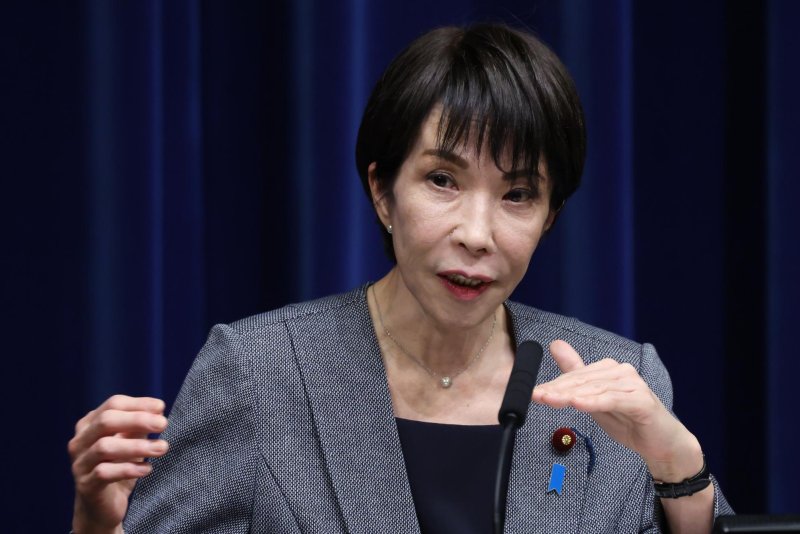
UPDATE: Japanese Prime Minister Sanae Takaichi is weighing the possibility of dissolving the House of Representatives just as the regular Diet session opens on January 12. This move could lead to a general election as early as mid-February, igniting fierce backlash from opposition parties and internal factions within the ruling coalition.
Reports indicate that Takaichi’s plan could disrupt crucial discussions regarding the 2026 fiscal year budget, which must be finalized by March 31. Critics are voicing concerns that an election at this juncture may jeopardize the budget’s approval process, with the Democratic Party for the People leader, Yuichiro Tamaki, warning of potential withdrawal of support if prior agreements are not honored.
Currently, Takaichi has not publicly addressed the election speculation but has been active on social media, focusing on international matters like Iran. Notably, she is set to meet with South Korean President Lee Jae-myung on Tuesday and Wednesday before hosting Italian Prime Minister Giorgia Meloni from January 11 to 13. Sources suggest that Takaichi may delay any announcement regarding the lower house dissolution until after Meloni’s visit to maintain diplomatic decorum.
While some advisers encourage the early election, citing favorable cabinet approval ratings for the ruling Liberal Democratic Party, others within the party, including Deputy President Taro Aso, have shifted toward opposing the move due to potential economic fallout.
If the House of Representatives is dissolved on January 12, two election timelines are projected: a campaign launch on January 27 with voting on February 8, or a launch on February 3 with voting on February 15. Both scenarios threaten to push budget discussions into March, raising alarms among economists and politicians alike.
Opposition leaders argue that the government should prioritize pressing issues like inflation rather than rushing into elections. Komeito leader Tetsuo Saito criticized the potential move, stating it would create a political vacuum during a critical economic period.
Japan’s Ministry of Internal Affairs and Communications has already instructed local election commissions to prepare for the possibility of an election, with reports suggesting that this campaign could set a postwar record for its brevity.
As the situation develops, all eyes are on Takaichi and the ruling coalition’s next steps, with significant implications for Japan’s political landscape and economic future.