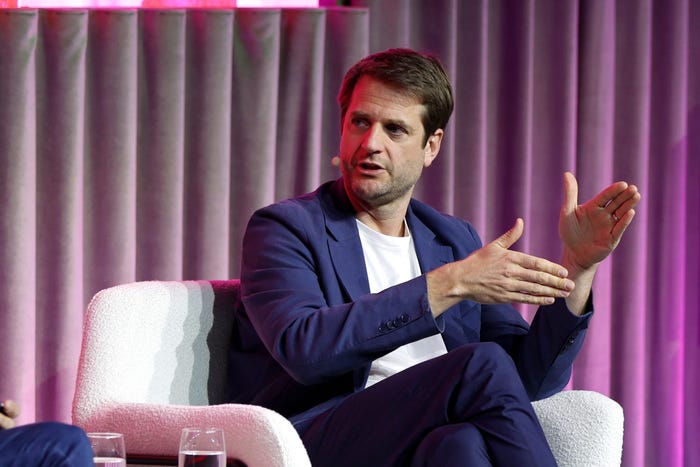
Klarna, the Swedish payment solutions company, is poised to significantly reduce its workforce, with CEO and co-founder Sebastian Siemiatkowski announcing that he expects the employee count to drop below 2,000 by 2030. Currently, the company employs approximately 3,000 individuals, a sharp decline from 7,000 employees in 2022.
In a recent interview on the “20 VC” podcast with host Harry Stebbings, Siemiatkowski detailed the factors behind this reduction. The company has already cut its workforce by 50% over the past four years through a combination of layoffs and “natural attrition,” which occurs when employees leave without their roles being filled. While he acknowledged that some hiring continues, he indicated that a comprehensive review of LinkedIn would reveal a clear trend in workforce reduction.
Siemiatkowski attributed part of the workforce adjustment to advancements in artificial intelligence (AI), stating that the technology can be integrated into Klarna’s operations without necessitating an increase in headcount. He remarked on the rapid evolution of AI and expressed concern regarding its implications for jobs across various industries.
The CEO’s remarks come amid an intensifying debate about the potential for AI to replace jobs. While Elon Musk, CEO of Tesla and xAI, has suggested that AI could lead to increased abundance, others, such as Dario Amodei, CEO of Anthropic, have voiced more caution. Amodei has described AI as posing a “serious civilizational challenge” and has predicted that it could eliminate up to 50% of entry-level white-collar jobs.
“I’m more in Dario’s camp,” Siemiatkowski stated during the podcast. “I want to be honest about the fact that I do think there’s going to be a very big shift.” He characterized himself as an optimist but emphasized the need for realism regarding the immediate impacts of AI on employment, foreseeing significant disruption.
Several major corporations, including IBM, HP, and Salesforce, have already announced job cuts attributed to the rise of AI technologies. Despite this trend, Siemiatkowski assured that roles at Klarna that require “human connection,” such as those involving relationships with retailers, will remain intact. “It’s going to be vital to offer a human connection there,” he explained, highlighting the importance of interpersonal relationships in certain job functions.
As Klarna navigates this transition, the company has not provided further comments to media inquiries. The evolving landscape of AI and its impact on the workforce continues to raise questions about the future of employment in technology-driven industries.
For individuals employed at Klarna who wish to share insights or stories, they can reach out via email or Signal using the provided contact information.