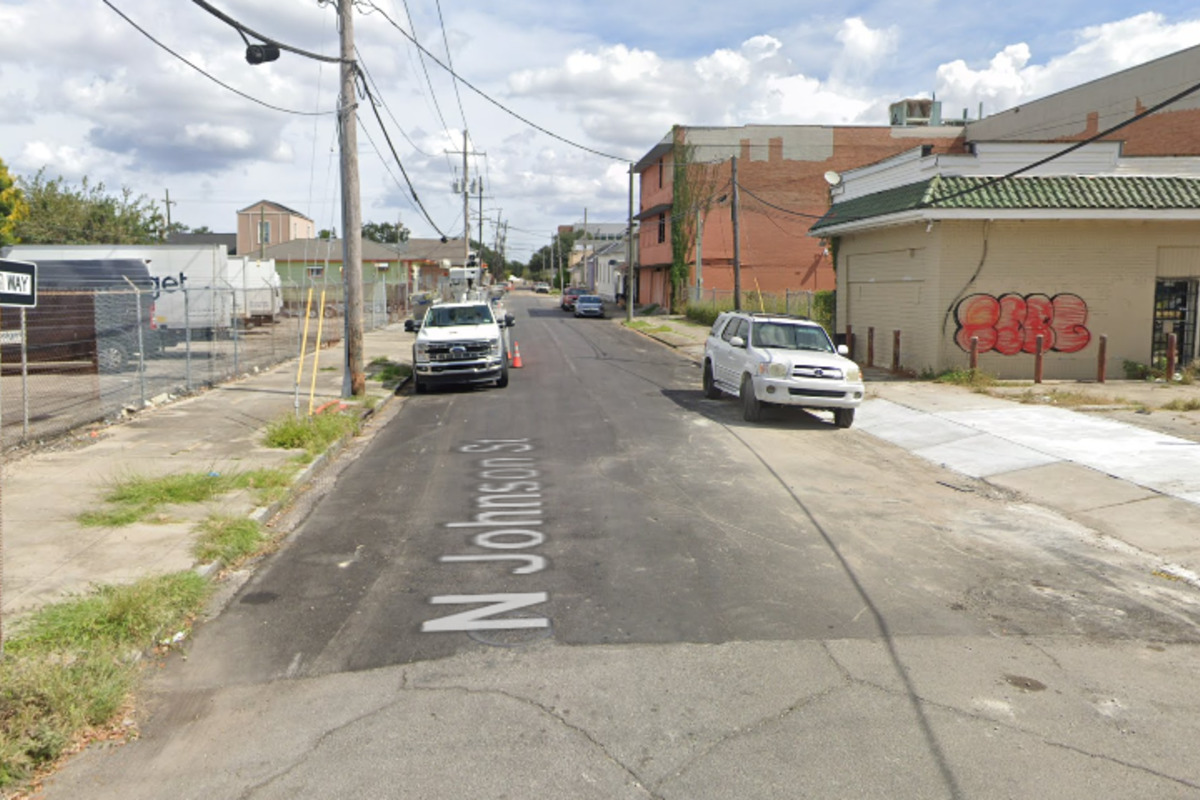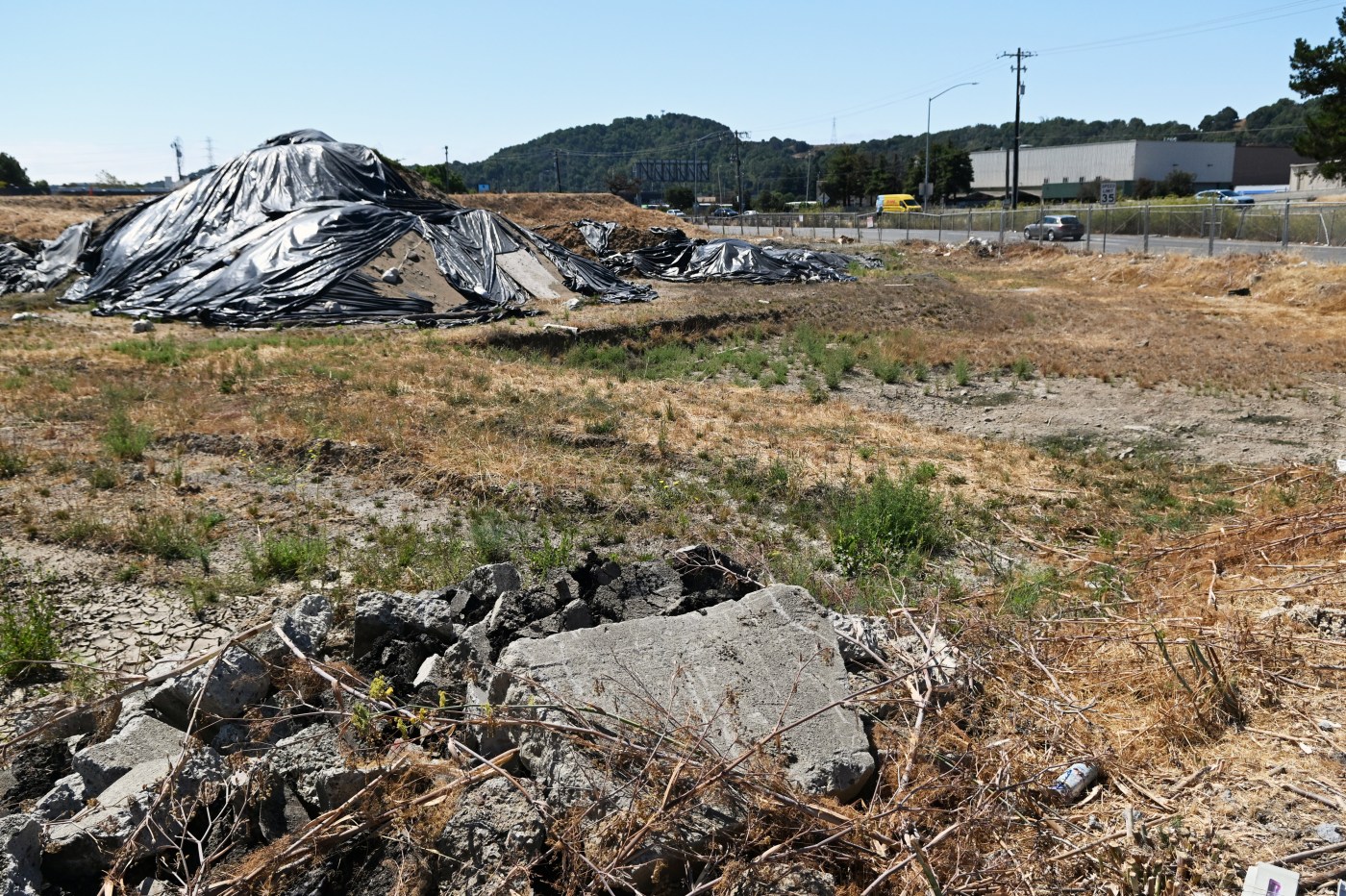
UPDATE: Marin Transit has just taken a significant step forward in its plan to construct an electric bus yard in San Rafael, California. The agency’s board voted on Monday to adopt an environmental assessment that meets the requirements set by the California Environmental Quality Act. This crucial decision allows Marin Transit to move ahead with plans for a 3.5-acre site located at 1075 Francisco Blvd. East.
Local officials, however, are raising alarms. Board member Maribeth Bushey, who also serves on the San Rafael City Council, expressed concerns about the potential loss of tax revenue from what was slated to be a commercial site. “The city of San Rafael remains concerned and impacted by the decision to remove this site from its potential to be a high tax-generating site for the city,” she stated, highlighting implications for the city’s general fund.
The site was originally earmarked for a 184-room hotel, a project that could have generated significant tax income, which fell through. San Rafael officials also pointed out that the zoning allows for up to 43 dwellings. The Canal neighborhood is home to some of the most historically underserved residents in the area, making this decision even more impactful.
In a letter, San Rafael Mayor Kate Colin emphasized that the city’s general plan aims to advance community needs and strengthen connections. Bushey noted the proximity of the existing Golden Gate Transit bus yard, questioning the wisdom of adding another in the same vicinity.
Despite these concerns, Bushey supported the environmental report’s approval, stating, “There are no material defects that I have seen that would undermine the ability of this board to approve the mitigated negative declaration.” This report, known as an “initial study/mitigated negative declaration,” assessed various factors, including air quality, traffic, and noise. While most impacts were deemed less than significant, traffic concerns were noted as “negligible.”
During the meeting, Marin County Supervisor Dennis Rodoni sought clarification on the traffic findings. “Naturally, you would think there’s going to be traffic impacts,” he remarked. General Manager Nancy Whelan explained that the bus operations would typically avoid peak traffic hours, as they aim to transport riders before typical rush hour starts.
To address community concerns, Marin Transit developed a robust outreach plan, participating in 25 events in the Canal neighborhood. Rodoni encouraged expanding outreach efforts to a broader audience, reinforcing the agency’s commitment to public engagement.
As the project progresses, Marin Transit is already soliciting contractors to prepare the site and design the bus yard. Contracts are expected to be awarded in the coming months, with federal approval of the environmental report anticipated next month. If all goes according to plan, preliminary construction, known as surcharging, will kick off in the spring of 2024, with full construction slated to begin in 2027. The electric bus yard is projected to be operational by June 30, 2030.
This project is part of Marin Transit’s ambitious initiative to electrify its bus fleet by 2040, supported by a generous $31.5 million federal grant. The planned operations center will feature five bus maintenance bays, a bus wash, 49 charging stalls, and 57 employee parking spaces, along with office space and break rooms.
As the situation unfolds, the community is urged to stay engaged and informed about this transformative project that aims to enhance public transportation while addressing environmental concerns. Stay tuned for more updates as Marin Transit moves forward with this critical development.