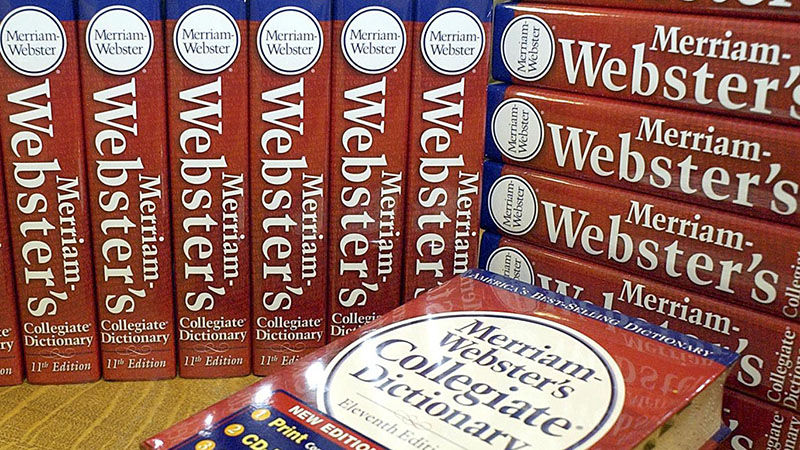
UPDATE: Merriam-Webster has just announced that the word ‘slop’ has been declared its 2025 Word of the Year. This decision reflects a significant cultural shift as the term increasingly describes the prevalence of creepy, zany, and demonstrably fake content dominating online platforms.
The rise of generative artificial intelligence has fueled the usage of ‘slop,’ making it a relevant and urgent topic in today’s digital landscape. As misinformation proliferates, understanding this term has become vital for navigating the online world.
Why This Matters Now: The term ‘slop’ has emerged as a critical descriptor for the chaotic and misleading content that many internet users encounter daily. With the surge of AI-generated information, it is essential for individuals to recognize and label such content effectively. The recognition of ‘slop’ highlights an ongoing battle against misinformation and the need for digital literacy.
Details: According to Merriam-Webster, the term gained traction in 2025, coinciding with the widespread availability of AI tools that produce content at an unprecedented scale. The dictionary’s decision underscores a growing public awareness and concern regarding the quality of information shared online.
As the digital landscape evolves, so does the language we use to describe it. ‘Slop’ encapsulates the frustrations many users feel when faced with a barrage of unreliable information. This development invites a deeper conversation about the importance of discerning quality content in an age where anyone can create and disseminate information.
Next Steps: As we move forward, expect discussions around ‘slop’ to gain momentum across social media platforms and news outlets. The term may lead to increased calls for accountability from content creators and tech companies alike. Educational initiatives aimed at improving digital literacy are likely to follow, as more people strive to understand and combat the effects of misleading online content.
The urgent need to address misinformation means that the implications of ‘slop’ will resonate far beyond the realm of linguistics. As users become more aware of the term, it may empower them to question the reliability of the information they consume.
Stay tuned for further updates as this conversation unfolds, and consider how you engage with the digital content you encounter. The recognition of ‘slop’ is not just a linguistic milestone; it is a reflection of our collective responsibility to foster a more informed online community.