URGENT UPDATE: A female mouse has made history by giving birth after returning from a space mission, raising significant questions about life beyond Earth. This remarkable event occurred on December 10, following a two-week journey aboard China’s Shenzhou-21 spacecraft, which launched on October 31.
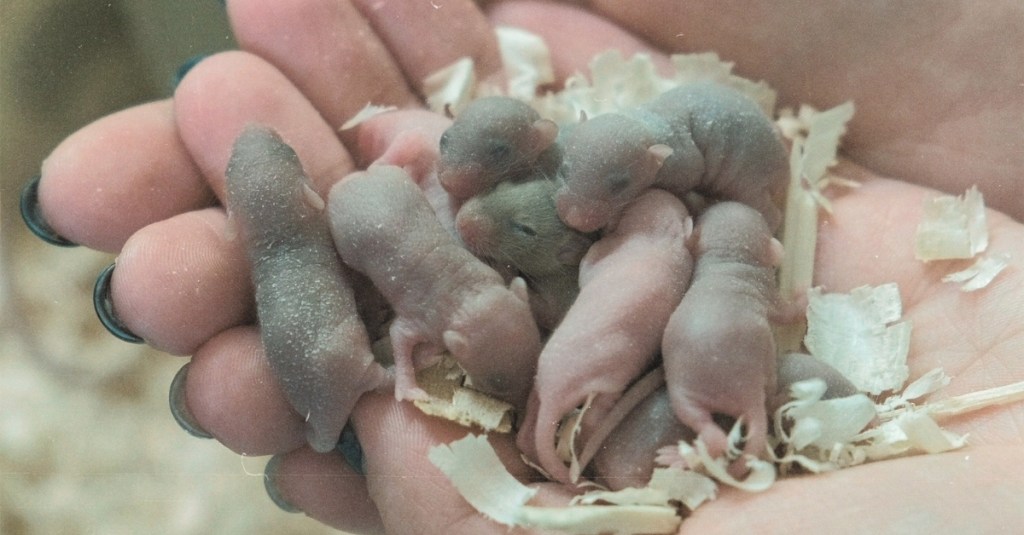
During the mission, the mouse lived in microgravity at an altitude of approximately 400 kilometers above Earth, where she was exposed to space radiation and the challenges of orbital life. Upon her return on November 14, she delivered a litter of nine healthy pups, six of which survived, marking a significant achievement in reproductive biology according to the Chinese Academy of Sciences.
Researcher Wang Hongmei from the Institute of Zoology stated that this finding indicates that short-term spaceflight did not impair the mouse’s reproductive capabilities. While this may seem like a small detail, it is a crucial piece of evidence for the viability of reproduction during long-term space missions, particularly as plans for Mars exploration and permanent off-world settlements advance.
Mice serve as vital subjects in these studies due to their biological similarities to humans and their rapid reproduction rates. They often reveal potential issues with reproduction before they manifest in humans, making them essential for understanding the implications of space travel on mammalian biology. Previous experiments have shown that mouse sperm can fertilize eggs after exposure to space, but this recent development is the first to confirm successful pregnancy and birth post-spaceflight.
The Shenzhou-21 mission faced challenges, including a last-minute change in the return schedule that raised concerns over food supplies for the mice. Ground teams prepared emergency rations from astronaut provisions, ultimately settling on soy milk as a backup. An AI system monitored the mice’s health, tracking their movement, eating, and sleep patterns to ensure their well-being in orbit.
Now, researchers are closely observing the litter’s growth and health, looking for any physiological changes that might emerge. They aim to determine whether these pups can reproduce normally, which is critical for understanding the long-term implications of living and reproducing in space.
While one successful birth does not resolve all questions surrounding reproduction in microgravity, it does eliminate a significant concern. As humanity looks toward the future of space exploration, the ability to conceive and raise offspring in space is essential for the sustainability of long-term missions.
The birth of this mouse and her pups represents a small yet vital step forward in our quest to understand life beyond our planet. As researchers continue to monitor these developments, the implications for future human space travel become increasingly promising.
Stay tuned for more updates as scientists unravel the mysteries of reproduction in space and what it could mean for our future among the stars.