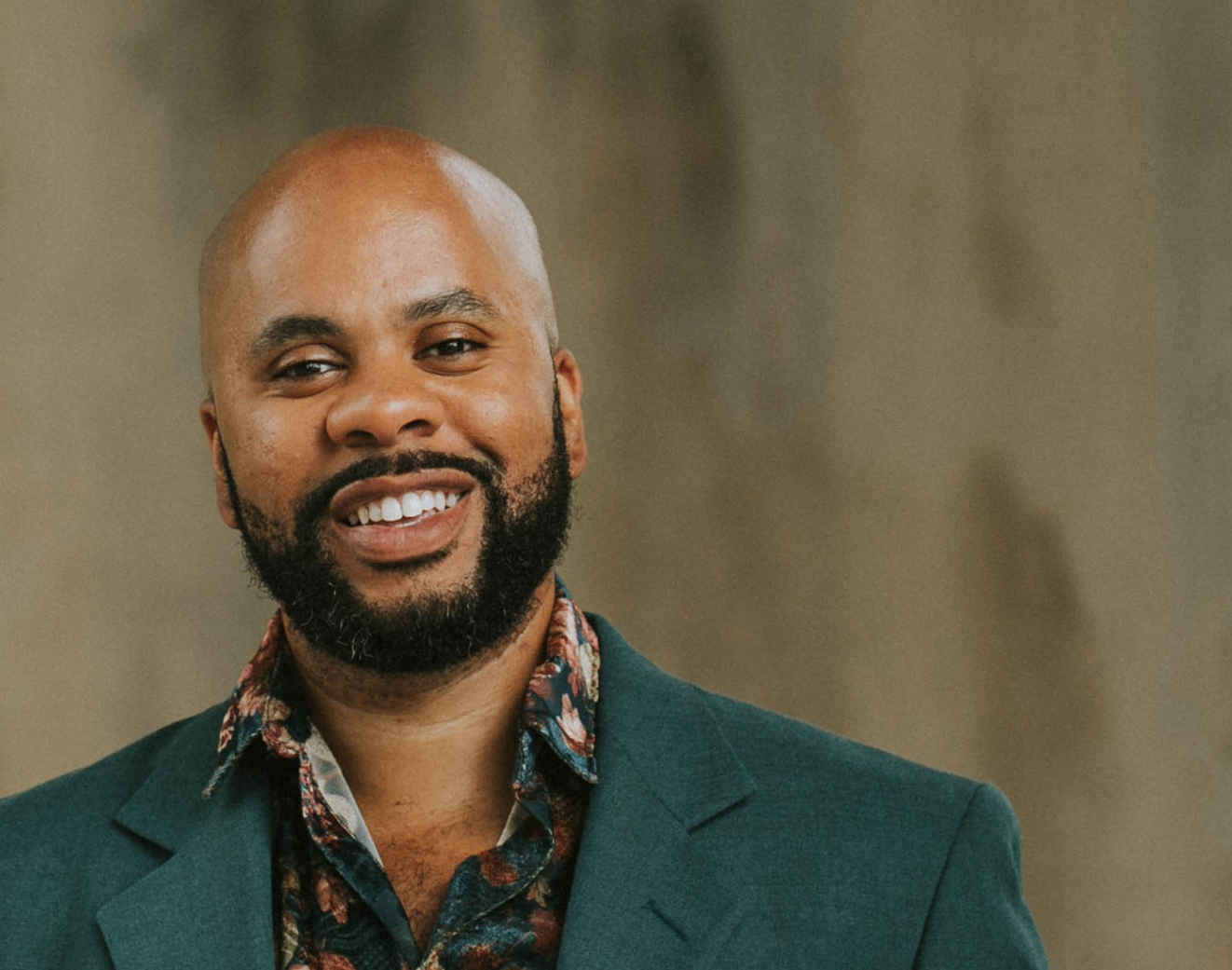
URGENT UPDATE: A revolutionary approach to classroom management has just been unveiled by behavioral consultant Scott Ervin, M.Ed. This strategy promises to transform how educators reinforce positive behaviors among students, especially those who struggle with discipline.
In a recent announcement, Ervin emphasized that traditional methods, such as using platforms like Class Dojo for point systems and prize-based rewards, are ineffective for many students, particularly those with challenging behaviors. These methods often require teachers to invest time and money into rewards that fail to address the underlying issues.
“The fact is that educators are all doing the jobs of at least three normal people,” Ervin stated. He argues that traditional discipline often exacerbates the problem rather than solving it. Instead of waiting for negative behaviors to occur before responding, he proposes that teachers shift their focus to proactively acknowledging and rewarding positive behaviors as they happen.
This new strategy, which Ervin describes as “weird” and uncomfortable, requires educators to give immediate attention to students when they exhibit desirable behaviors. For instance, instead of reprimanding a student for misbehavior, a teacher might say, “I noticed Kid #2 is seated,” or “Kid #19 has already completed four out of five problems.”
The aim is to break the so-called “Bad Kid Cycle,” which traps students in a loop where negative behaviors are inadvertently rewarded with attention. By reversing this cycle, teachers can foster a more positive classroom environment.
Ervin urges educators to abandon the reliance on physical rewards, which often include costly trips to stores for prizes. This method not only saves time but also promotes better relationships between teachers and students.
“Is this weird and will it be uncomfortable? Yes. But is it revolutionizing the world of education for thousands of teachers? Absolutely,” he affirmed.
The implications of this strategy are significant, especially in light of recent data showing that nearly 23% of high school students in Illinois report engaging in risky behaviors. As schools look for effective ways to manage classroom dynamics, Ervin’s insights could lead to improved outcomes for both students and educators.
Educators across the country are encouraged to adopt this approach, which emphasizes the need for building relationships and sharing control within the classroom. As schools continue to face challenges related to discipline and behavior management, this timely advice could be a game changer.
Stay tuned for further updates as this strategy gains traction in classrooms nationwide. For more information on this approach, visit www.behavioralleadership.com.
This breaking news could redefine how educators engage with students, making it a must-share for anyone involved in education.