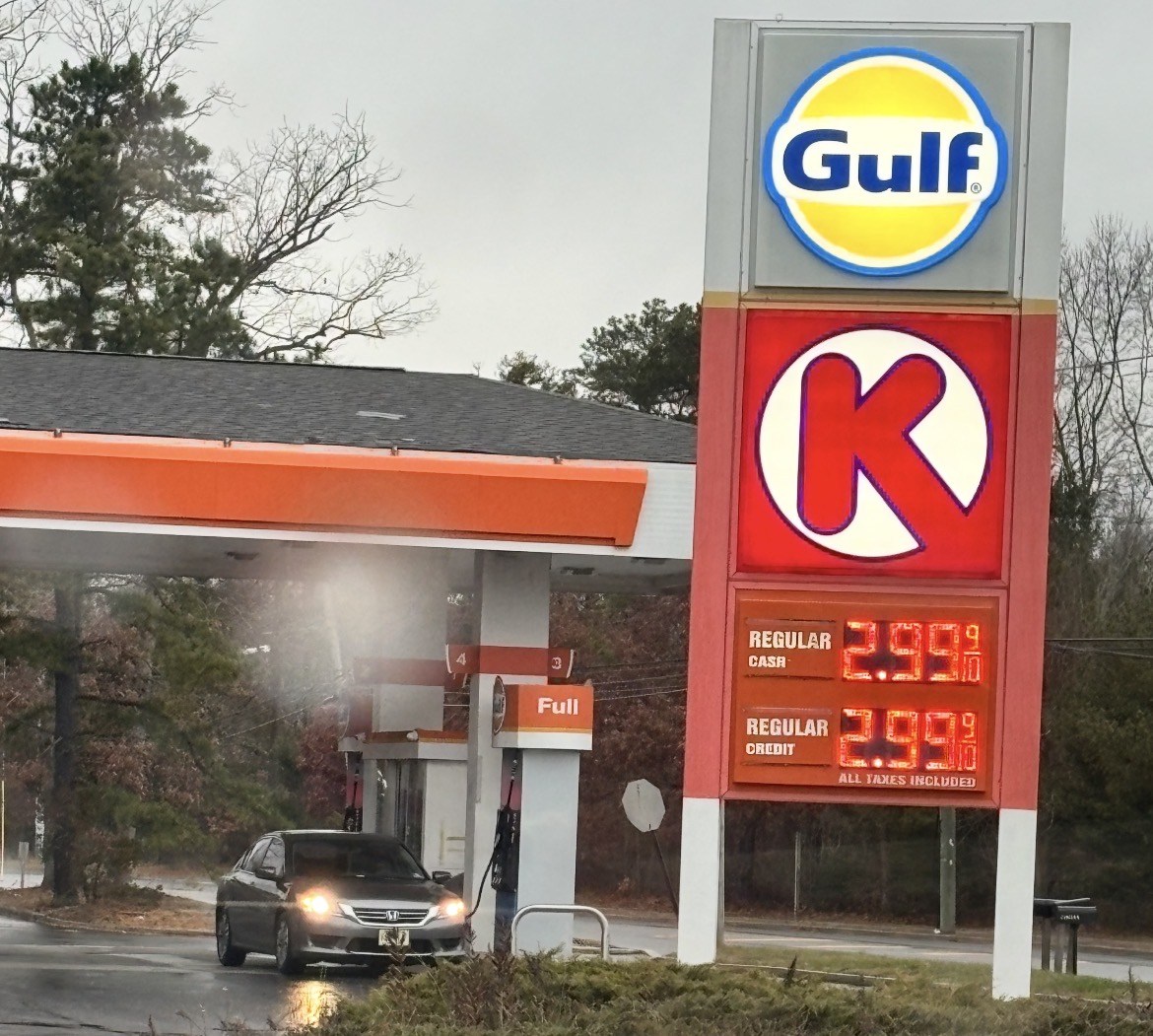
UPDATE: New Jersey residents face a significant gasoline tax increase starting January 1, 2026, as the state raises the tax by 4.2 cents per gallon. This change positions New Jersey with the 6th highest gasoline tax in the United States, a sharp drop from its previous ranking of 8th.
The state’s gasoline tax will now total 49.1 cents per gallon, while diesel taxes will climb to 56.1 cents, a move criticized by many as a betrayal of public trust. The increase, voted on as part of a referendum, was initially presented as a temporary measure to support infrastructure projects under the New Jersey Transportation Trust Fund. However, many voters were unaware that they were endorsing a permanent tax mechanism allowing future hikes.
Officials confirm that the tax is subject to annual adjustments based on the Highway Fuel Cap, a statute that gives the state the power to raise taxes without direct public consent. Critics argue this is a sneaky tactic by New Jersey politicians to impose ongoing financial burdens on residents.
The latest tax hike reflects a concerning trend for taxpayers. Many New Jerseyans believed they were casting votes for a one-time increase to navigate economic challenges, only to discover they had unwittingly enabled a system that could lead to recurring tax hikes.
This new tax structure could have broad implications for residents, affecting everything from commuter costs to the prices at the pump. With inflation already burdening households, the additional tax burden is likely to escalate living expenses across the state.
As this situation develops, residents are urged to stay informed about potential future increases and the impact on their day-to-day expenses. The public’s response will be crucial in shaping the conversation around state taxation and infrastructure funding in New Jersey.
Stay tuned for more updates as this story unfolds.