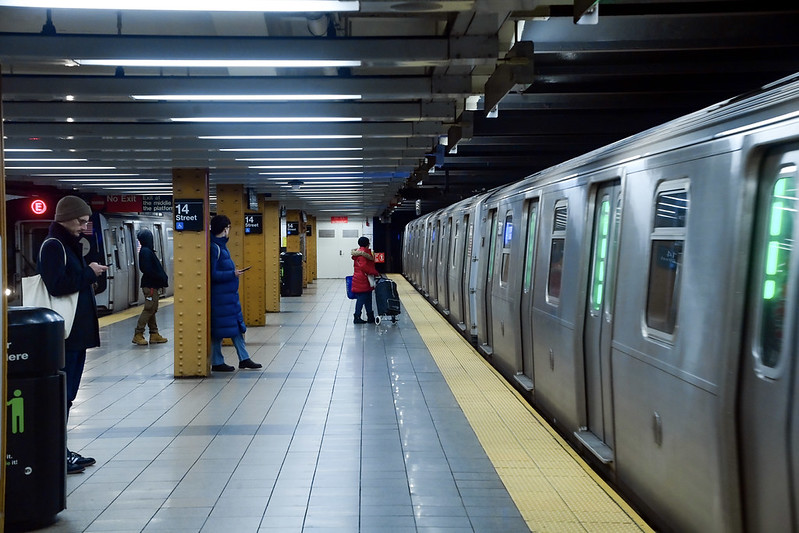
URGENT UPDATE: Starting this Sunday, January 4, 2024, New Yorkers will face a fare hike for subway and bus rides, with the cost climbing to $3 from the previous $2.90. This increase, approved by the MTA board in late September, marks the first fare adjustment since August 2023.
The fare for reduced rides will rise from $1.45 to $1.50, while express bus fares will increase from $7 to $7.25. Additionally, off-peak reduced fares will see a small jump from $3.50 to $3.60. This fare hike aligns with the MTA’s ongoing efforts to adjust prices in response to inflation, affecting the agency’s operating budget.
Riders should note that the MTA has implemented a fare-capping system. This means that commuters will not pay more than $35 per week for regular rides, allowing those who take 12 trips within a week to ride for free after that. Reduced fare riders will have a cap of $17.50 weekly.
Furthermore, the cost of a new OMNY card will rise to $2, up from $1. The MTA emphasizes that this card can last up to five years. For those using the Long Island Railroad and Metro North Railroad, ticket prices will increase by 4.5% for monthly and weekly passes, while other ticket categories will see an 8% increase.
The peak and off-peak prices for CityTicket will also rise, going from $7 to $7.25 and $5 to $5.25, respectively. Additionally, commuters purchasing tickets on the rail system will now face an $8 surcharge, up from $2.
Moreover, tolls on most MTA bridges will increase by 7.5%. This marks a significant funding strategy for the MTA, which has planned further fare hikes of 4% in both 2027 and 2029.
As these fare changes take effect, riders are encouraged to plan their commutes accordingly. The financial impact of these increases will be felt across New York City, prompting discussions on public transportation affordability and access. Stay tuned for updates as officials monitor the effects of this fare surge on commuters.