URGENT UPDATE: New York’s climate law is under intense scrutiny as budget hearings unfold today, with significant implications for the state’s energy future. The New York State Legislature is examining Governor Kathy Hochul’s executive budget proposal amid growing concerns about potential rollbacks of the Climate Leadership and Community Protection Act (CLCPA).
Earlier today, the Coalition for Safe and Reliable Energy submitted a petition to the Public Service Commission seeking to “evaluate whether to temporarily suspend or modify the obligations under the Renewable Energy Program,” a critical component of the state’s climate initiatives. This petition has ignited a fierce debate over the state’s clean energy goals, with opponents seizing on provisions in the law that allow for such modifications.
The coalition argues that the program may hinder safe electric service and contribute to increased service disconnections. With a 30-day public comment period initiated, the coalition, which predominantly represents business interests, is mobilizing opposition from climate advocates who fear setbacks in environmental progress.
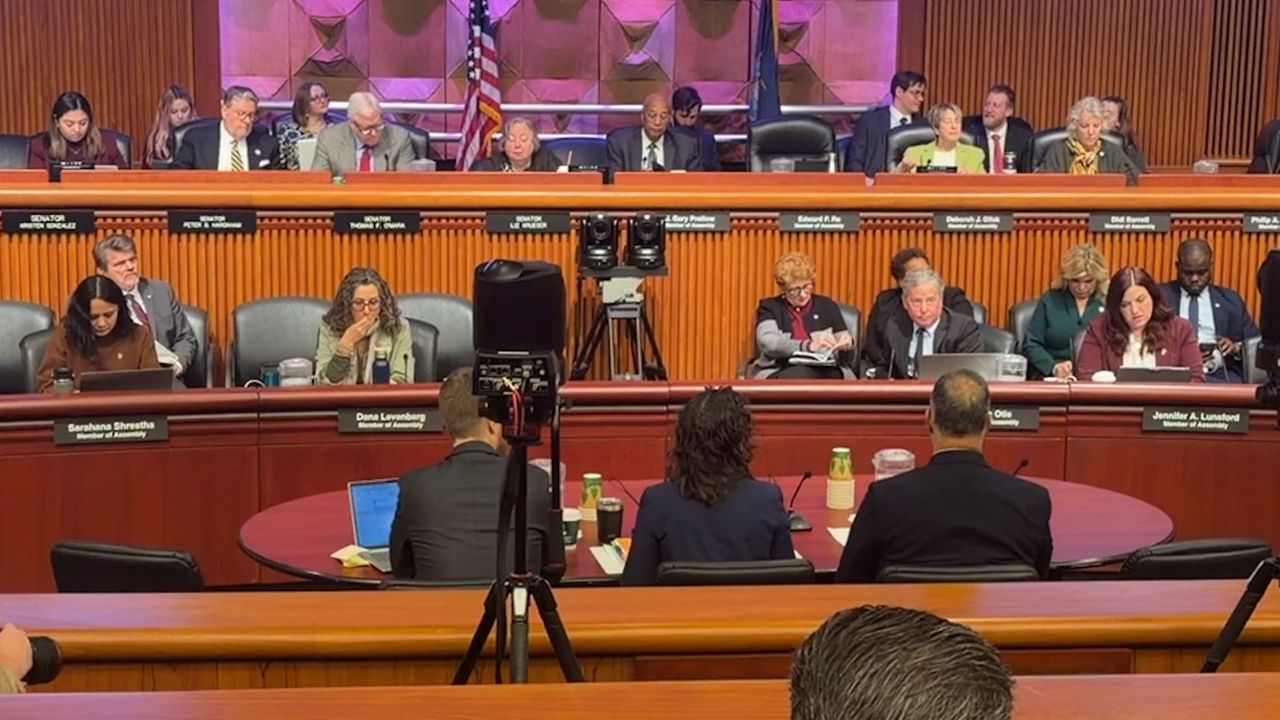
During the hearing, Rory M. Christian, chair and CEO of the Public Service Commission, refrained from commenting on the petition, leaving many questions unanswered. State Senator Pete Harckham pressed Amanda Lefton, commissioner of the New York State Department of Environmental Conservation, for clarity on the governor’s plans regarding the CLCPA, but she provided no definitive answers.
“The governor has made clear that she knows we need to continue to fight climate change,” Lefton stated, emphasizing the necessity for balancing climate goals with reliability and affordability.
Harckham’s inquiries highlighted the delicate balance between maintaining New York’s emissions targets and potential rollbacks. This uncertainty is fueling hopes among state Republicans, who have long criticized the CLCPA. State Senator Mark Walczyk remarked, “We’ve seen just a crack in her energy plan which we all knew would fail,” echoing concerns that the current framework is not feasible.
As discussions progress, Governor Hochul has multiple opportunities to introduce new policy proposals, especially during the 30-day amendment process. Last year, the budget negotiations extended well past the April 1 deadline, indicating a potentially contentious process ahead.
Among the proposals discussed was Hochul’s plan to modify the state’s environmental quality review to accelerate housing development. However, this initiative has drawn criticism from lawmakers like State Senator Rachel May, who argues that the proposal lacks specificity and could undermine critical environmental protections.
“We worked very hard to make our bill something that environmental groups would either support or not oppose,” May highlighted, underlining the importance of nuanced approaches to environmental legislation.
The outcome of these hearings will not only shape New York’s energy landscape but also set a precedent for climate policy nationwide. With tensions rising and stakeholders on both sides poised for action, the next few weeks will be crucial for determining the future of climate initiatives in New York.
Stay tuned for the latest developments as this story unfolds, and join the conversation on how these changes could impact energy policies across the nation.