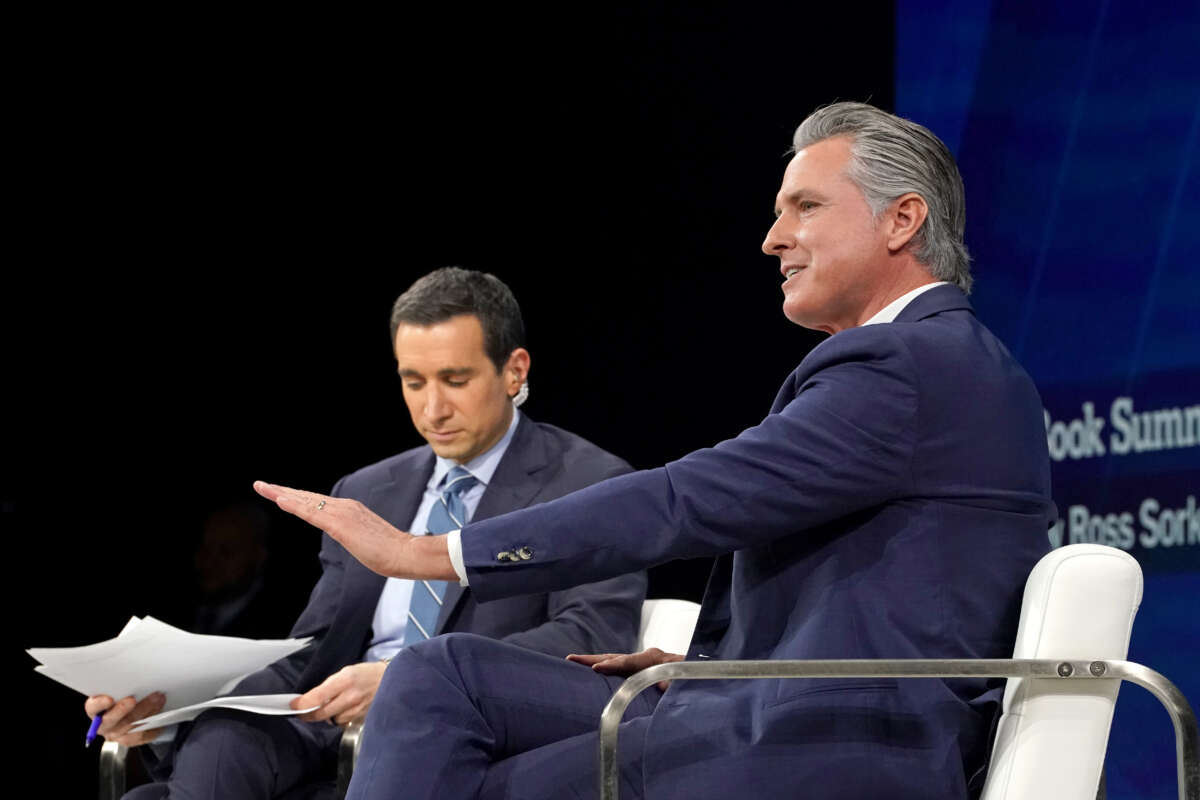
UPDATE: California Governor Gavin Newsom has publicly opposed a highly popular wealth tax proposal during a panel discussion on December 4, 2025. This surprising stance comes as the proposal, aimed at taxing the state’s billionaires, garners increasing support from unions and progressive economists.
Newsom, who is often seen as a frontrunner for the Democratic presidential nomination, stated he is “adamantly against” the wealth tax that aims to raise $100 billion to restore crucial Medicaid funding for California’s 15 million recipients. The proposal would impose a one-time 5% tax on the net worth of the state’s approximately 200 billionaires, whose incomes have surged by 7.5% annually, compared to a mere 1.5% for average residents.
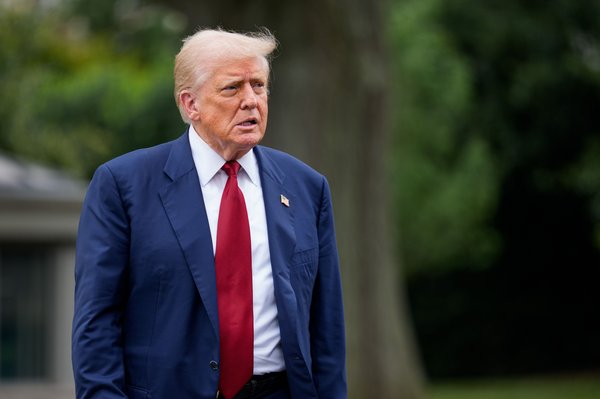
The wealth tax, championed by renowned economists Emmanuel Saez and Robert Reich, is being framed as an “emergency billionaires tax” following significant cuts to Medicaid initiated under former President Donald Trump’s administration. This tax would allocate 90% of the funds to Medicaid, with the remainder supporting K-12 education.
Despite its wide appeal among the public, Newsom labeled the measure as “bad policy” and criticized it as an attempt to “grab money for special purposes.” His comments were made at the New York Times DealBook Summit, where he emphasized the need for the Democratic Party to be a “big tent” that accommodates diverse viewpoints.
In a stark contrast to his position, the wealth tax enjoys significant support across party lines. National polling indicates that 67% of Americans, including 84% of Democrats, favor a billionaire income tax. A recent Economist/YouGov poll found that 72% of Americans believe taxes on billionaires should be increased.
While Newsom’s consultants have launched a campaign called “Stop the Squeeze” to block the wealth tax, critics argue that fears of wealthy individuals leaving California are unfounded. Research shows that wealthy individuals are less likely to relocate in response to tax increases compared to other income brackets.
As this debate intensifies, the implications for California’s tax policy and the Democratic Party’s future are significant. Observers are questioning how Newsom can maintain a “big tent” while opposing a policy that aligns with the majority of his constituents.
The situation continues to evolve, and all eyes are on how the California legislature will respond to this contentious proposal as it heads toward a potential ballot in November 2026.
Stay tuned for further updates as this story develops.