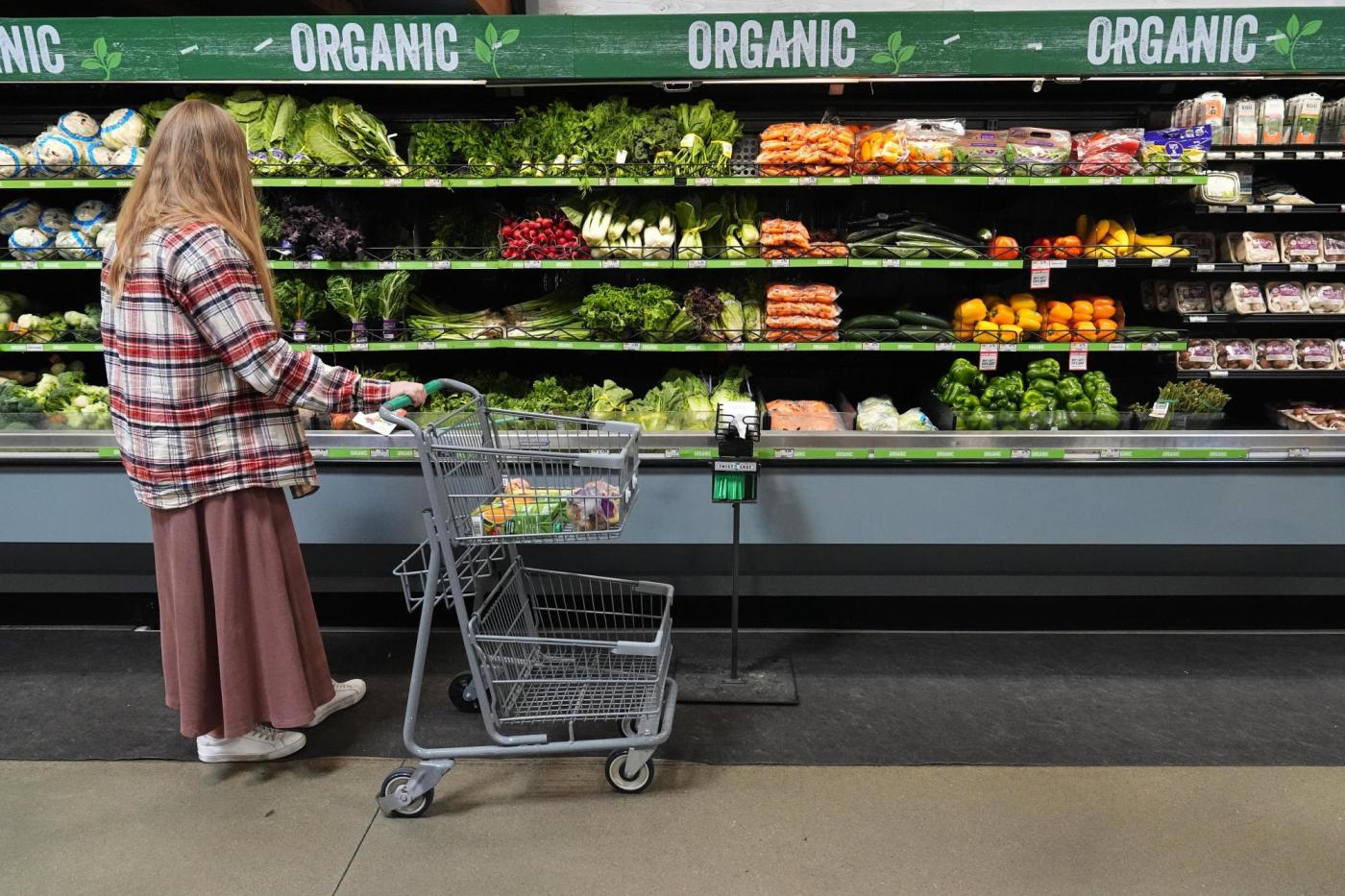
UPDATE: New data reveals that government spending aimed at combating food deserts may not be solving the problem as intended. Just last month, state leaders celebrated the opening of a new grocery store in Lynwood, funded by $5.1 million in state money to transform a former gas station into a food source for a community previously designated as a food desert.
The LA County Food Equity Fund has allocated $20 million since 2024 to support nonprofits in establishing grocery stores in underserved areas, including mobile farmer’s markets. This ambitious initiative raises critical questions about the effectiveness of such funding strategies, especially after Governor Gavin Newsom vetoed Senate Bill 1419, which aimed to expand grants for grocery stores in food deserts.
Research from NYU indicates that hundreds of millions of dollars have been poured into encouraging grocery stores in food deserts across the United States. The FDA defines a food desert as an area where a significant portion of the population lives more than one mile from a supermarket and faces economic hardship. This long-discussed concept is believed to contribute to health disparities, as the lack of access to fresh food can lead to unhealthy eating habits, particularly among low-income families.
However, experts question whether simply placing grocery stores in these areas will address the underlying issues. Zohran Mamdani, the newly elected mayor of New York City, advocates for government-operated grocery stores to provide affordable, nutritious food options. Critics argue that this approach oversimplifies a more complex issue.
According to a survey funded by the USDA, the average recipient of SNAP benefits lives 1.96 miles from a supermarket, yet travels an average of 3.15 miles to reach their preferred store. This suggests that distance may not be the primary barrier to accessing healthy food, as many residents choose to travel farther for better options.
Further research published in the Quarterly Journal of Economics examined over 1,000 supermarkets opened in food deserts, revealing that while households utilized the new stores, their shopping habits did not significantly shift towards healthier food choices. Instead, they continued to purchase junk food, indicating convenience rather than access is a key factor in dietary decisions.
The persistent issue of poor nutrition in low-income communities reflects a broader challenge linked to poverty itself. While government efforts to fund new grocery stores may seem well-intentioned, experts stress that effective solutions must address the root causes of poverty and focus on initiatives like early childhood nutrition education and family outreach.
As officials continue to invest taxpayer money into fighting food deserts, the urgent question remains: are these funds being used effectively, or are they merely a band-aid over a far more complicated issue?
In the coming weeks, community leaders and policymakers will be under pressure to justify these expenditures and explore more impactful strategies that could truly enhance food security and health outcomes in vulnerable populations.