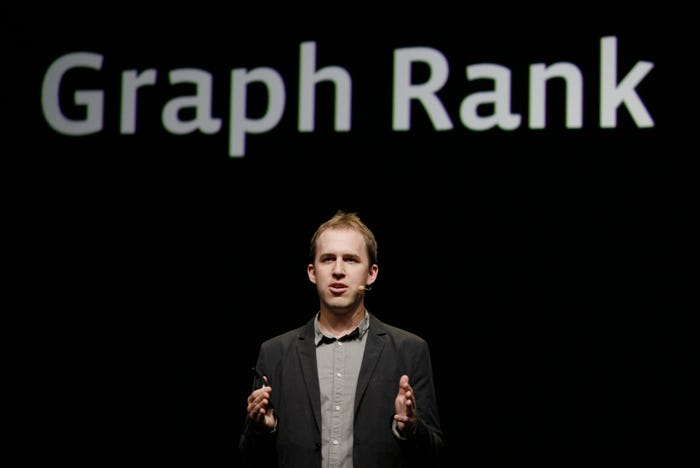
UPDATE: OpenAI’s board chair, Bret Taylor, has confirmed that vibe coding, the innovative approach to software development using AI tools, is here to stay, but it will not be the ultimate solution for the tech industry’s future. In a recent episode of the Big Technology Podcast, published on December 6, 2024, Taylor emphasized that the focus on speeding up software development overlooks a more significant transformation on the horizon.
Taylor warned that while vibe coding allows users to create software quickly through natural language prompts, the core question remains unanswered: “Who will build the AI agents that will shape the future of software?” He stated, “We will delegate tasks to agents that will operate against a database,” indicating a shift from traditional software structures to a new paradigm dominated by AI agents.
This revelation comes as tech leaders, including Google CEO Sundar Pichai, acknowledge the rapid rise of vibe coding. Pichai noted that AI now generates over 30% of Google’s new code, an increase from 25% just months earlier. However, he cautioned that AI-generated code can often be error-prone and unsuitable for large-scale applications requiring high security.
Taylor underscored that while AI has significantly reduced the costs associated with developing software, it has not resolved the more complex challenges of software maintenance. He stated, “Most people would prefer to buy a solution off the shelf,” highlighting a preference for proven solutions among businesses.
In the tech community, the limits of vibe coding are becoming increasingly evident. Boris Cherny, an engineer from Anthropic, remarked that vibe coding is best suited for prototypes or less critical applications. “You want maintainable code sometimes. You want to be very thoughtful about every line,” he explained.
With the landscape of software development shifting rapidly, the real disruption lies in how organizations will adapt to the emerging role of AI agents. Taylor’s insights indicate a pressing need for developers and companies to rethink their strategies in this evolving environment.
What happens next? As AI technology continues to advance, stakeholders must stay vigilant about the capabilities and limitations of vibe coding. The conversation around AI agents is gaining momentum, and it is crucial for businesses to prepare for a future where these agents become integral to their operations.
The urgency of this discussion cannot be overstated. As companies rush to adopt these technologies, understanding the implications of vibe coding and AI agents will be vital for maintaining a competitive edge in the fast-evolving tech landscape.