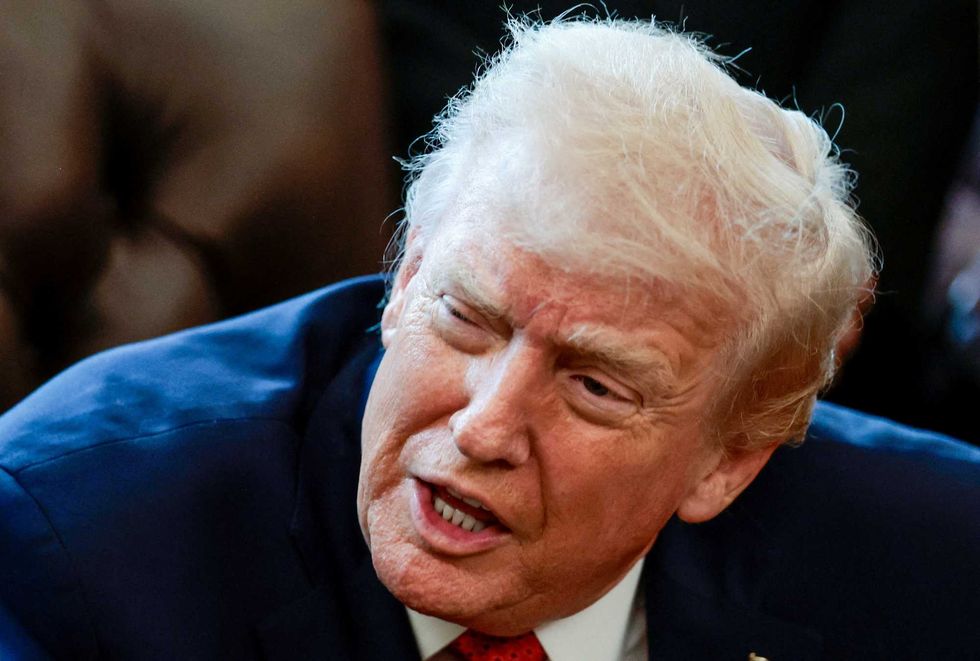
Tim Dillon, a prominent podcaster known for his support of former President Donald Trump, has voiced strong criticism regarding the Biden administration’s handling of the ongoing conflict in Iran. Dillon, who has cultivated a large male audience, expressed his frustration during a recent episode of his podcast, highlighting a perceived shift in Trump’s priorities.
Dillon’s Concerns Over Trump’s Focus
In a segment dedicated to discussing the implications of U.S. involvement in the Iran conflict, Dillon claimed that Trump appears to be disengaged from critical political issues. He stated, “He’s at the end of his life. He’s endorsing Jake Paul for president. He doesn’t care about what happens next.” This stark assessment reflects Dillon’s growing disillusionment with Trump, whom he once fervently supported during the election.
Dillon’s remarks underscore a broader sentiment among some critics who believe that Trump’s focus has shifted significantly since leaving office. He described Trump as being on a “farewell tour,” implying that the former president is more concerned with his legacy and personal interests than with current events.
A Call for Action
In his podcast, Dillon urged those close to Trump to communicate directly with him about the urgent need to address the situation in Iran. “Tell him that! Whatever this dude needs to hear, so that he can get us the f— out of there,” he implored. This passionate plea highlights Dillon’s belief that Trump’s intervention could help de-escalate tensions and bring a resolution to the conflict.
Dillon’s critique is particularly relevant as the situation in Iran continues to evolve, drawing attention from various political commentators and influencers. His comments not only reflect a personal disappointment with Trump but also resonate with a segment of the public concerned about U.S. foreign policy.
As the discourse surrounding the Iran conflict intensifies, Dillon’s insights add to the growing debate over Trump’s role and influence in American politics, especially among his former supporters. The implications of these discussions may shape the narrative as the political landscape continues to shift in the lead-up to the next presidential election.