URGENT UPDATE: Russian President Vladimir Putin has dramatically fortified the air defenses surrounding his secluded Valdai residence, now protected by 20 advanced air defense systems, according to new reports from Radio Liberty. This significant increase from just eight systems in August highlights Putin’s escalating security concerns as the war in Ukraine rages on.
The Valdai residence, located 230 miles northwest of Moscow, serves as Putin’s primary home during the ongoing conflict. Recent intelligence suggests that he is particularly wary of Ukraine’s newly developed long-range weaponry, including the Flamingo cruise missile, which has a striking range of 1,865 miles.
Putin’s fortified abode is equipped with both S-400 and Pantsir-M units, indicating a serious commitment to personal security as he navigates the complexities of international diplomacy, including tensions with the United States and ongoing peace talks with Donald Trump. As reports emerge, it is clear that Putin is transitioning from a public figure to a reclusive leader, retreating to his fortified palace while remaining engaged in global affairs.
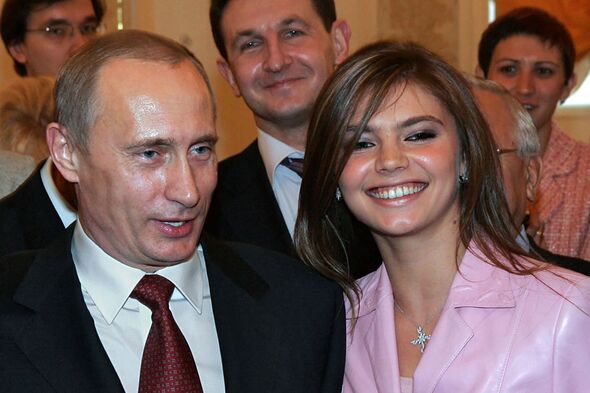
The Valdai complex, a hidden fortress amidst serene forests and lakes, houses not only Putin but also his partner, Alina Kabaeva, and their two young sons, Ivan, aged 10, and Vladimir junior, aged 6. The children live under the surname Spiridonov, a cover name linked to Putin’s lineage, to ensure their safety. Investigative journalists Roman Badanin and Mikhail Rubin reveal this in their book, The Tsar in Person, emphasizing the extreme security measures surrounding the family.
This latest development comes amid heightened threats from Ukraine, including a recent drone attack on the Akron chemical plant located just 85 miles from Valdai. This plant is critical for Russian explosive production, raising alarms about the vulnerability of key military assets.
As Putin’s security measures intensify, experts draw parallels between his reign and that of Saddam Hussein, suggesting that Putin’s paranoia is shaping a more isolated and defensive approach to governance. Konstantin Gaaze, a noted Russian academic, states, “I think that right now we are closest to Saddam Hussein, both in terms of secret residences and how the system operates for protecting information about the whereabouts of the head of state and his family.”
As the situation develops, the world watches closely. With air defenses now nearly on par with those surrounding Moscow, which has approximately 100 installations, the implications for both Russian domestic security and international relations are profound. The increase in defenses not only indicates Putin’s personal fears but also reflects a broader climate of instability within the region.
The heightened security at Valdai underscores a shift in Putin’s lifestyle; he has reportedly relocated from his official residence at Novo-Ogarevo, which is perceived as more vulnerable to attacks. As tensions mount, the Russian leader’s family remains shielded from the public eye, living under conditions that emphasize their isolation from ordinary Russians.
Stay tuned for further updates as this story unfolds. The implications of Putin’s fortified defenses may have far-reaching effects on the ongoing conflict and global diplomatic relations.