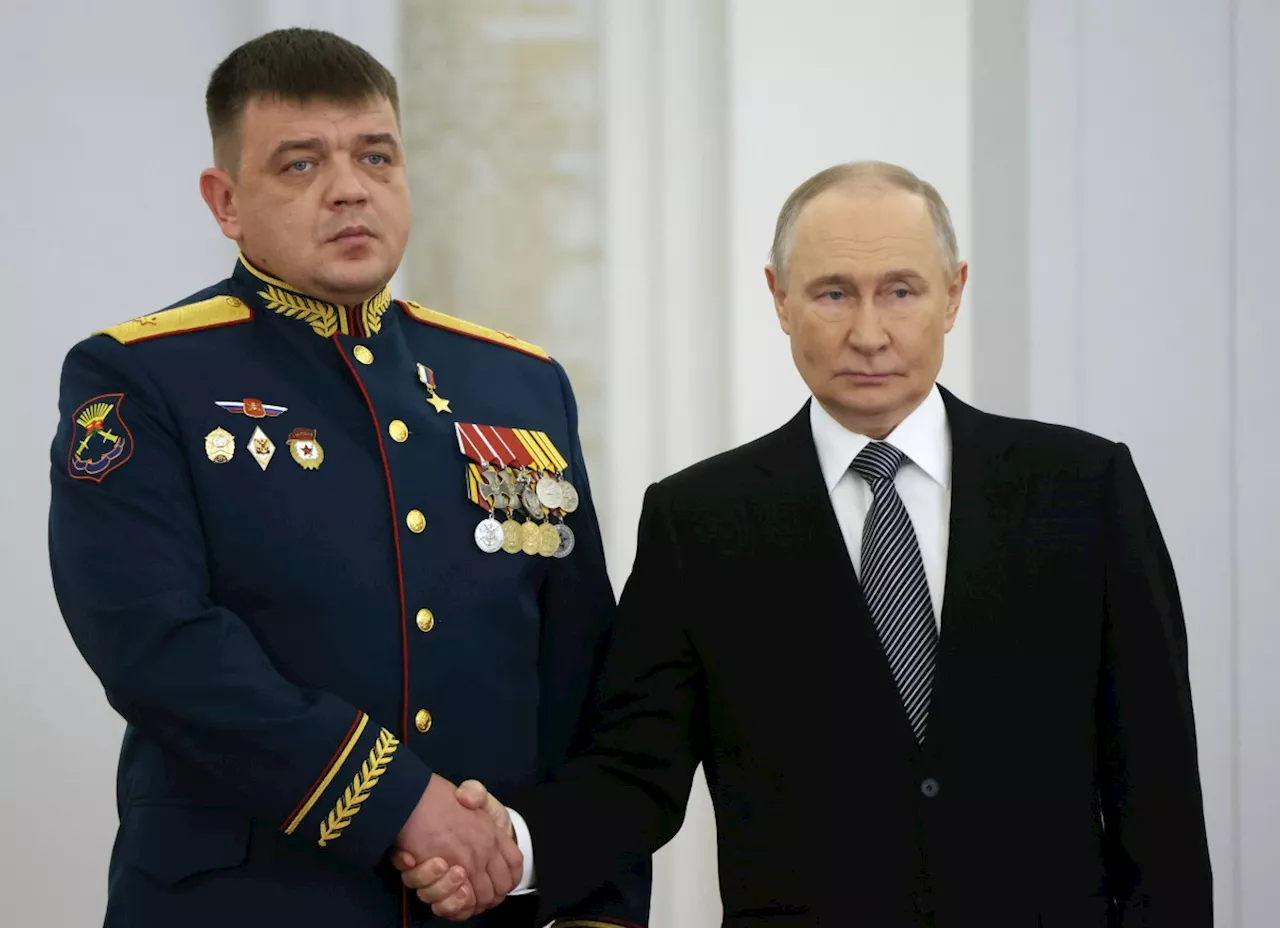
UPDATE: In a significant development today, Russian Foreign Minister Sergei Lavrov announced that President Vladimir Putin has expressed willingness to provide security guarantees for Ukraine as part of a peace settlement. This revelation comes amid growing tensions and complex negotiations surrounding the ongoing conflict.
Lavrov highlighted that any security guarantees must be inclusive of Russia itself. Speaking in Moscow, he confirmed that these guarantees could be formalized through a legally binding treaty, referencing Moscow’s earlier proposals to NATO. He stated, “The scope of such guarantees cannot be limited solely to Ukraine,” emphasizing the need for comprehensive agreements.
The urgency of this situation is underscored by the potential for escalation. Lavrov dismissed the notion of deploying peacekeeping troops in Ukraine, warning that such actions would make these forces “legitimate targets for the Russian armed forces.” This statement raises alarms regarding the risks of international military involvement and its implications for the region.
Meanwhile, former US President Donald Trump weighed in on the matter, advising Ukrainian President Volodymyr Zelensky to adopt a “realistic” approach to the ongoing war. Trump also questioned the timing of Ukraine’s upcoming elections, suggesting that political stability is crucial as the conflict continues.
Trump revealed that he discussed Ukraine with European leaders, expressing reluctance to engage in peace talks without further information. His comments indicate a significant concern that Ukraine may be pressured into accepting unfavorable terms, potentially rewarding Russia for its aggressive actions.
As Ukraine prepares a revised 20-point proposal for a settlement, Zelensky faces domestic political challenges, including a corruption scandal involving high-ranking officials. He has indicated his readiness to hold elections, contingent upon security assurances from the US and Western allies. Importantly, he maintains a firm stance against territorial concessions to Russia, asserting he lacks both the legal and moral authority to surrender any land.
The evolving landscape of this conflict highlights the intricate dynamics of international diplomacy, where security concerns and political pressures intersect. The involvement of key figures like Trump, alongside differing national perspectives, complicates the path toward a resolution.
In the coming days, observers will closely monitor the responses from both Russia and Ukraine regarding their respective proposals and the potential for negotiation. The stakes are high, and the quest for peace remains fraught with challenges.
Stay tuned for updates as this critical situation unfolds.