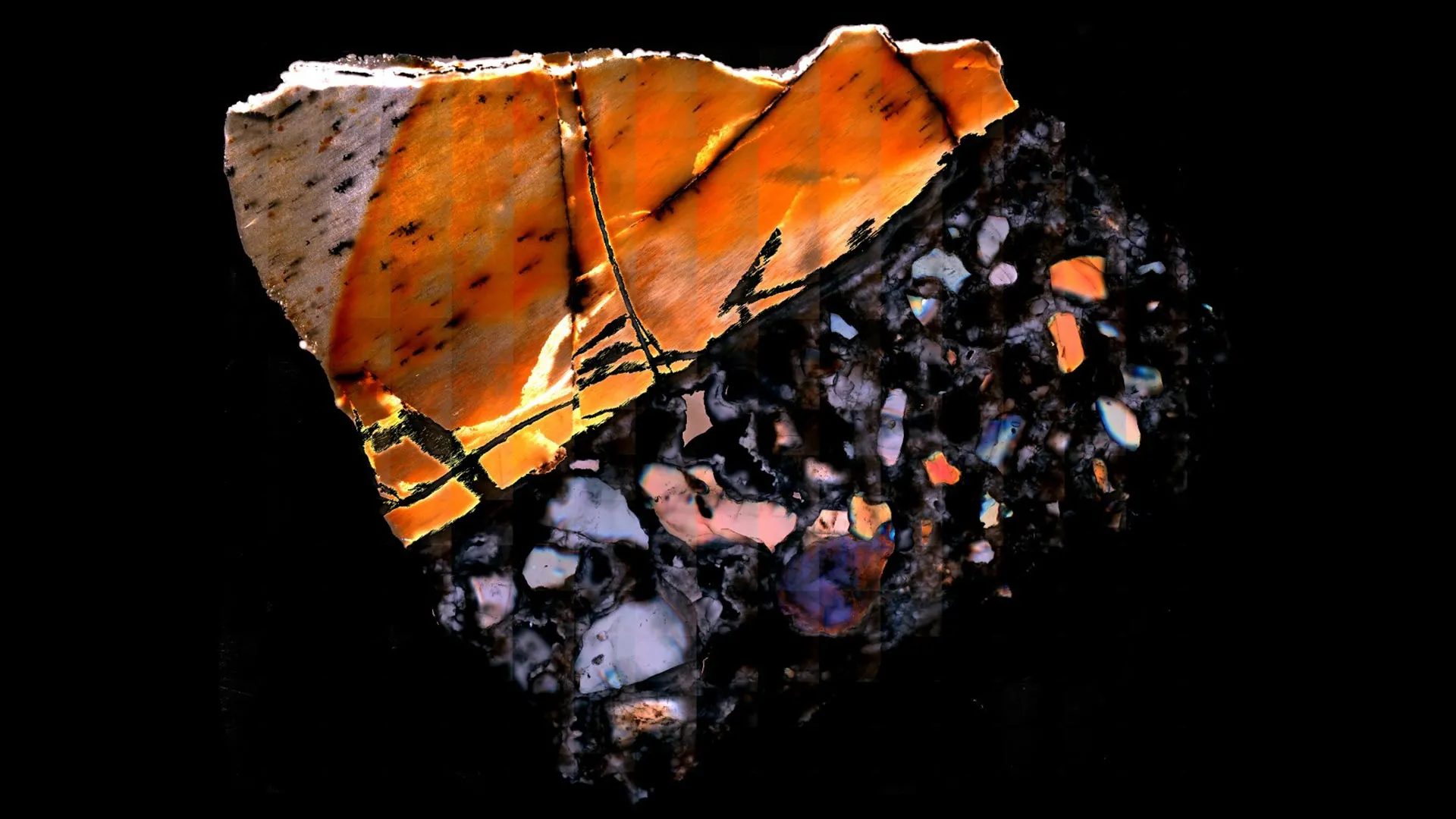
BREAKING: Researchers at New York University have made a groundbreaking discovery by uncovering thousands of preserved metabolic molecules inside fossilized bones, shedding light on prehistoric life that existed 1.3 to 3 million years ago. This urgent finding reveals vital information about ancient animals’ diets, diseases, and the climates they inhabited.
The study, published in the journal Nature, highlights environments that were significantly warmer and wetter than those found in the same regions today, indicating a dramatic shift in climate over millions of years. For the first time, scientists successfully examined metabolites—chemical traces linked to health and nutrition—preserved in fossils, offering an unprecedented window into ancient ecosystems.
“We now have the ability to reconstruct the environments of prehistoric life with a new level of detail,” said Timothy Bromage, a professor of molecular pathobiology at NYU College of Dentistry and the lead researcher of the international team. This innovative approach could revolutionize how paleontologists study ancient life and environments.
The research team analyzed bones from various animals, including rodents and larger mammals like antelopes and elephants, excavated from regions in Tanzania, Malawi, and South Africa. Thousands of metabolites were identified, many of which correspond to modern species still found in these areas. Notably, one specimen—a ground squirrel bone from Olduvai Gorge—showed signs of infection from the parasite that causes sleeping sickness in humans, a stark reminder of the diseases that plagued ancient wildlife.
This study also highlights how specific plant compounds found in the bones provide insight into the diets of these ancient animals. Researchers detected metabolites linked to regional plants such as aloe and asparagus, which not only inform us about what these animals consumed but also illustrate the environmental conditions they lived in.
The implications of this research extend beyond mere curiosity. Understanding ancient ecosystems can inform current climate models and conservation efforts, providing critical data as we face today’s climate crisis. Bromage emphasized, “By utilizing metabolic analyses, we can create a narrative around each of these animals, reconstructing their habitats and the climates they thrived in.”
As the research continues, it promises to unveil more secrets of the past, transforming our understanding of life millions of years ago. The international collaboration includes contributions from various institutions, supported by The Leakey Foundation and additional funding from the National Institutes of Health.
This urgent study marks a significant milestone in paleoecology, opening new avenues for research. As scientists continue to explore these ancient bones, the world watches closely for what other secrets may emerge from our planet’s deep history.