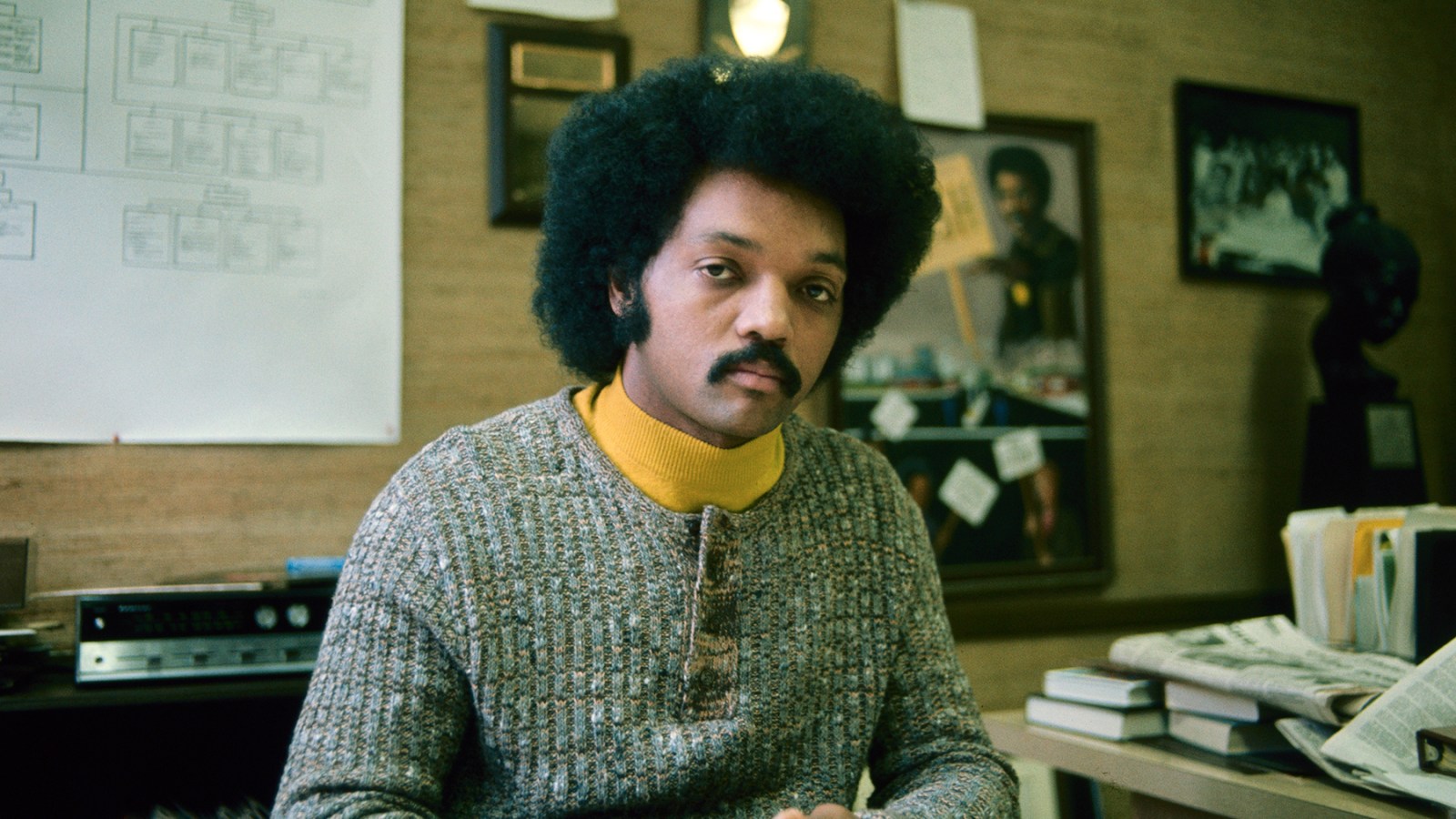
Rev. Jesse Jackson, a prominent civil rights activist and religious leader, passed away on November 28, 2023, at the age of 84. His family confirmed his death, stating he “died peacefully” surrounded by loved ones. They described him as a “servant leader” dedicated to advocating for the oppressed and voiceless. “His unwavering belief in justice, equality, and love uplifted millions,” they added, encouraging others to continue his legacy.
Jackson’s health had been in decline in recent years. In November 2025, he was hospitalized in Chicago for progressive supranuclear palsy (PSP), a neurological disorder. This followed an earlier diagnosis of Parkinson’s disease in 2013, with the PSP confirmation coming in April 2025.
A Legacy of Activism
For over five decades, Jackson was a central figure in the United States’ civil rights movement. He began his activism in the 1960s, closely collaborating with Martin Luther King Jr.. Jackson founded two significant advocacy organizations: Operation PUSH (People United to Serve Humanity) and the National Rainbow Coalition, which later merged into the Rainbow PUSH Coalition.
He made a notable political impact by running for president in 1984 and 1988. Although he did not win, he registered millions of new voters and garnered significant support, finishing third in 1984 and second in 1988. His campaign strategies and progressive platforms paved the way for future candidates, including Barack Obama, who would later become the first African American president in 2008.
In 1988, Jackson’s campaign focused on economic justice and social equality, resonating with a diverse audience. He famously stated, “The issues that we raised were resonating,” highlighting the importance of economic security and community unity.
Early Life and Education
Born on October 8, 1941, in Greenville, South Carolina, Jackson faced the realities of the Jim Crow South. Raised by a single mother, he experienced segregation firsthand, attending segregated schools and traveling on the back of buses until the Montgomery bus boycotts in 1955. A talented athlete, he initially earned a football scholarship to the University of Illinois but transferred to North Carolina Agricultural & Technical College, where he became involved in civil rights activism.
Jackson later attended the Chicago Theological Seminary but left before graduating to work with King. He was ordained at a Chicago church in 1968 and earned his Master of Divinity degree in 2000. His leadership style and independent spirit often put him at odds with established civil rights leaders, but he remained a steadfast advocate for racial and social justice.
Jackson’s role in the civil rights movement grew significantly after King’s assassination on April 4, 1968. He claimed to be the last person to speak to King and was present at the Lorraine Motel when King was shot. This event intensified his commitment to the cause, as he founded Operation PUSH in 1971, continuing the fight for economic empowerment in Black communities.
Throughout the 1980s, Jackson led successful boycotts against major corporations that discriminated against Black Americans, earning federal assistance for educational initiatives in underprivileged communities. Despite facing criticism for management issues within his organizations, he continued to advocate for change, famously stating, “I’m a tree-shaker, not a jam-maker.”
Jackson’s political ambitions led to his presidential runs, during which he aimed to unify diverse groups under his “rainbow coalition” vision. His speeches often emphasized the need for a multi-ethnic society, urging politicians to measure greatness by the well-being of the most vulnerable citizens.
In later years, Jackson remained active in various causes, including healthcare reform, gun control, and international issues such as ending apartheid in South Africa. He served as a shadow senator for Washington D.C. and was appointed by President Bill Clinton to advocate for democracy in Africa. In 2000, Jackson was awarded the Presidential Medal of Freedom, recognizing his lifelong contributions to civil rights and social justice.
As he aged, Jackson transitioned into a role as an elder statesman, supporting movements like Black Lives Matter and participating in protests against systemic racism and police violence. He was arrested multiple times in 2021 while advocating for voting rights, demonstrating his enduring commitment to activism.
Even as his health declined, Jackson continued to make public appearances, including at the 2024 Democratic National Convention. His legacy as a tireless advocate for social justice and equality will be remembered by many, as his family calls on the world to honor his memory by continuing the fight for the values he championed throughout his life.