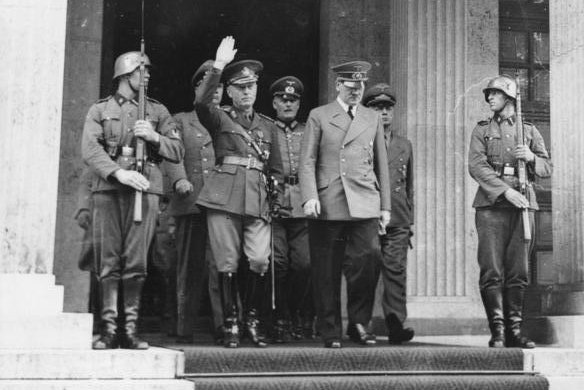
UPDATE: On this day, November 23, 1940, Romania officially joined the Axis Powers, aligning itself with Germany, Italy, and Japan during World War II. This crucial alliance marked a significant turning point in the conflict, as Romania’s resources and strategic location became vital for Axis operations in Eastern Europe.
WHY IT MATTERS NOW: Understanding Romania’s entry into the Axis Powers sheds light on the complex geopolitical landscape of World War II, illustrating how alliances shaped the course of history. This event is echoed in contemporary discussions about nationalism, alliances, and global conflict.
Historically, Romania’s decision to join the Axis was fueled by a combination of territorial ambitions and the political climate of the time. The Tripartite Pact was signed under intense pressure from Nazi Germany, which sought to expand its influence across Europe. Romania’s involvement would lead to significant military engagements on the Eastern Front, impacting countless lives.
In a broader historical context, November 23 has seen numerous pivotal moments. For example, in 1943, U.S. Marines seized control of the Gilbert Islands from Japanese forces in a fierce battle that lasted 76 hours. This confrontation and others like it highlight the brutal reality of war and the sacrifices made by soldiers on both sides.
As we reflect on this date, it is also essential to acknowledge the human impact of these historical events. The aftermath of alliances formed during World War II led to devastating consequences for millions, a theme that resonates today.
NEXT STEPS: For history enthusiasts and scholars, this date serves as a reminder to examine how past alliances influence present-day geopolitics. As nations navigate complex relationships, the lessons from World War II remain relevant.
Stay tuned for more updates and analyses as we continue to explore the implications of historical events on our current global landscape.