UPDATE: A San Antonio family is on edge as they seek answers nearly 50 years after their relative went missing in 1975. They are closely watching DNA testing on remains recovered from John Wayne Gacy’s infamous Chicago property, hoping to uncover the truth about their loved one.
Just announced, family members spoke with local reporters on Friday, urging investigators to compare their DNA with remains exhumed from Gacy’s home decades ago, as reported by KENS5. The family is also calling for anyone with information about the missing man to step forward and assist in tracing his last known movements.
In an urgent update, the Cook County Sheriff’s Office has reopened the investigation into identifying several unnamed victims found at Gacy’s property. Authorities are employing modern forensic sequencing and genealogical resources to identify these victims, with progress already reported in matching some remains.
Officials indicate that this renewed effort has already yielded identifications and will continue as DNA quality and available records permit comparisons. This program has prompted families across the nation to reconsider whether their missing relatives could be among those still unidentified from Gacy’s property.
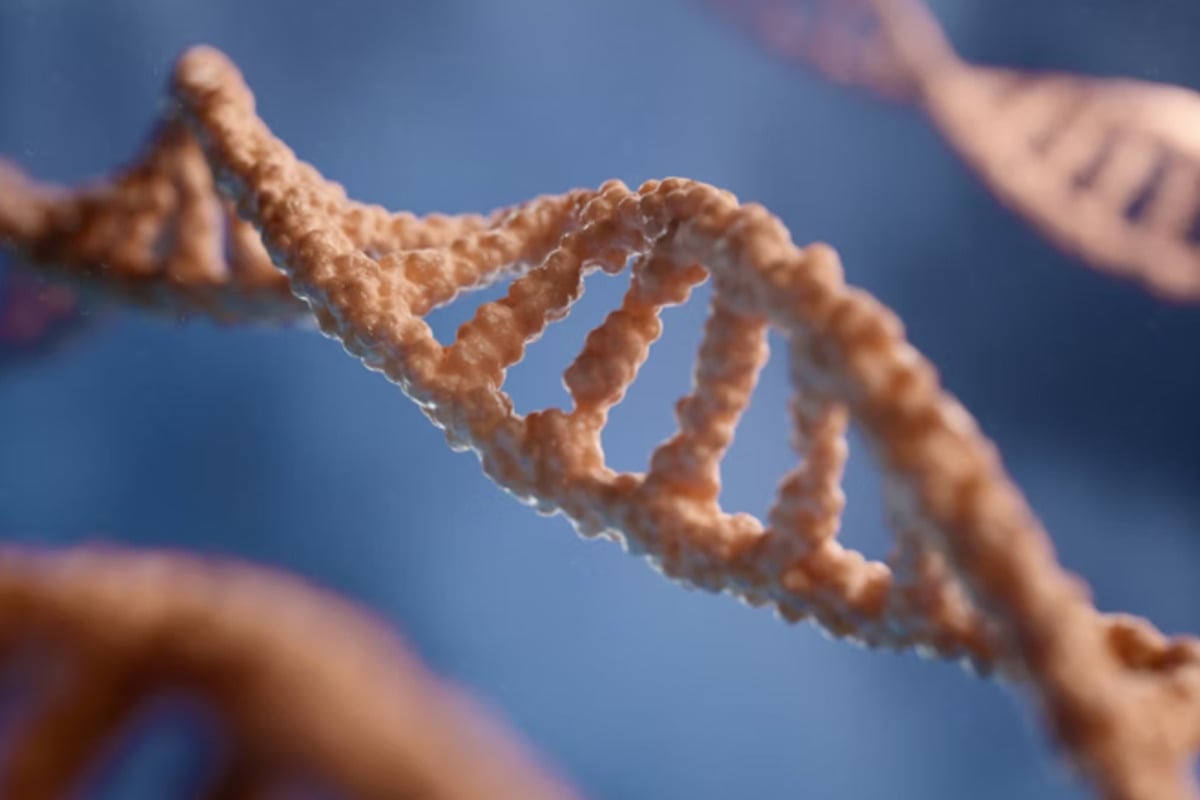
Genetic genealogy is proving to be a pivotal tool in these investigations. Nonprofit genetic-genealogy teams are collaborating with county detectives, using DNA extracted from teeth and bones, sequencing the material, and comparing it against public genealogy databases to build family trees. This method successfully identified a previously unknown Gacy victim in 2021, according to the Associated Press.
While investigators acknowledge the challenges posed by degraded samples and incomplete historical records, this innovative approach has already provided answers in numerous long-cold cases. However, several remains from Gacy’s property remain unnamed, underscoring the importance of cross-checking with missing-person reports.
Families, including the one in San Antonio, are closely monitoring every new development. Volunteer tracking projects and public case files continue to list multiple sets of remains as unidentified, fueling the hope for closure among desperate families.
Authorities advise families to take proactive measures. They recommend filing or updating missing-person reports, safeguarding dental records and photographs, and collaborating with local law enforcement to submit family-reference DNA. The federal NamUs system offers free forensic services and family DNA kits to assist in these efforts.
As the investigation progresses, the San Antonio family remains committed to urging investigators to conduct DNA comparisons. They have requested privacy as testing moves forward, but their hope is clear: to finally learn the name of their missing relative and bring closure to nearly five decades of uncertainty.
The emotional impact of this case resonates deeply, as families across the country grapple with the unknown. The search for answers continues, and the urgency is palpable as new developments unfold.