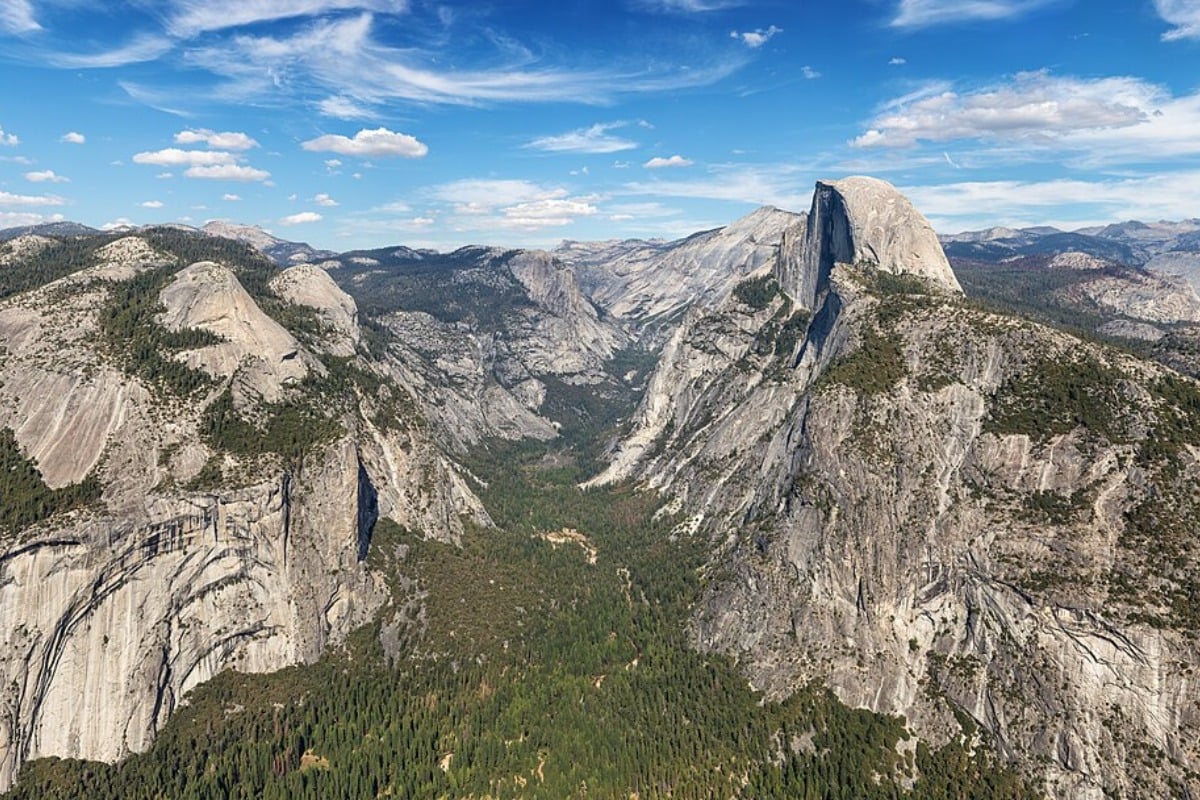
UPDATE: In a landmark victory for Indigenous rights, the Southern Sierra Miwuk Nation has just reclaimed nearly 900 acres of ancestral land on Henness Ridge, adjacent to Yosemite National Park. This significant land transfer, confirmed earlier today, restores a crucial area long impacted by logging and development, enhancing the tribe’s cultural and ecological stewardship.
The 897-acre parcel was officially returned from the Pacific Forest Trust, which had acquired the land to prevent vacation-home development approximately two decades ago. The transaction was made possible by a generous $2.4 million grant from the California Natural Resources Agency’s Tribal Nature-Based Solutions Program, emphasizing the state’s commitment to supporting Indigenous land restoration efforts.
“This land is a sanctuary for us,” stated Tribal Council Chair Sandra Chapman. “We know how to take care of the land and want a space to congregate and heal.” The tribe’s plans include restoring traditional practices such as ceremonies, plant harvests, and cultural fire management, all aimed at revitalizing the landscape and community.
The Pacific Forest Trust had previously worked to protect Henness Ridge from development pressures and initiated ecological recovery following the devastating 2018 Ferguson Fire. Their efforts included the removal of hazardous trees and the planting of approximately 125,000 native seedlings, setting the stage for the tribe’s long-term stewardship.
This transfer is not just a land return; it represents a profound cultural renewal for the Southern Sierra Miwuk. With federal recognition sought for decades, having a land base strengthens their ability to govern and preserve their heritage. The tribe is also engaged in revitalizing Wahhoga, a traditional village in Yosemite Valley, linking their land reclamation with broader cultural restoration initiatives.
Importantly, the return of Henness Ridge is poised to enhance wildfire resilience and wildlife corridors, creating vital connections between Yosemite and the Sierra National Forest. Experts suggest that Indigenous stewardship practices, including cultural burning and native-plant restoration, will reduce the risk of severe wildfires while promoting biodiversity in the area.
This urgent development underscores the potential for tribal stewardship to align with conservation goals, offering a public case study for future land returns across California. The Southern Sierra Miwuk’s success serves as a powerful reminder of the importance of Indigenous knowledge in managing landscapes impacted by climate change and development pressures.
As the Southern Sierra Miwuk Nation steps into this new chapter, the community is set to reclaim not only their land but also their cultural identity and ecological practices that have been passed down through generations. Observers anticipate that this landmark event will inspire other tribes and conservationists to pursue similar land return initiatives nationwide.
Stay tuned for updates on how the Southern Sierra Miwuk will manage Henness Ridge and the positive impacts expected for the local ecosystem and community.