UPDATE: In a shocking incident, student journalist Nelzy Gonzalez-Zaragoza was forcibly removed from an Oakland Police Department press conference on November 14, 2025, addressing the tragic shooting of beloved Laney College coach John Beam. The incident raises serious questions about press access and First Amendment rights as the community seeks answers in the wake of this devastating loss.
Just one day after Beam was fatally shot on campus, Gonzalez-Zaragoza, an associate editor for the Peralta Citizen, arrived to cover the press briefing but was denied entry due to the lack of a police-issued press credential. This controversial policy, which has drawn criticism since its implementation three years ago, highlights ongoing tensions between the Oakland Police Department (OPD) and local journalists.
The removal of Gonzalez-Zaragoza was not an isolated incident. Journalists from The Oaklandside and the San Francisco Chronicle also faced barriers to entry, with some only allowed in after hastily applying for credentials. The First Amendment Coalition and other advocacy groups swiftly condemned the OPD’s actions, asserting that the policy undermines the press’s ability to keep the public informed.
“This is a high-profile case, but I felt comfortable going in there… it’s not fair that any reporter was kicked out,” Gonzalez-Zaragoza stated, expressing her frustration over the situation. The OPD maintains that the credentialing system is a necessary safety measure but faces backlash for its lack of transparency and fairness.
In a letter to police officials and Mayor Barbara Lee, First Amendment advocates argued that there were no legitimate security threats justifying the exclusion of journalists from the press conference. They called for an immediate reevaluation of the policy, which contrasts sharply with more accessible media events held at Oakland City Hall and the Alameda County District Attorney’s Office.
Assistant Chief James Beere, acting as interim police chief, defended the OPD’s stance, stating that knowing the identity of journalists is vital for safety. He encouraged all media professionals to complete the credential application process, but many journalists argue that this requirement hampers their ability to report freely.
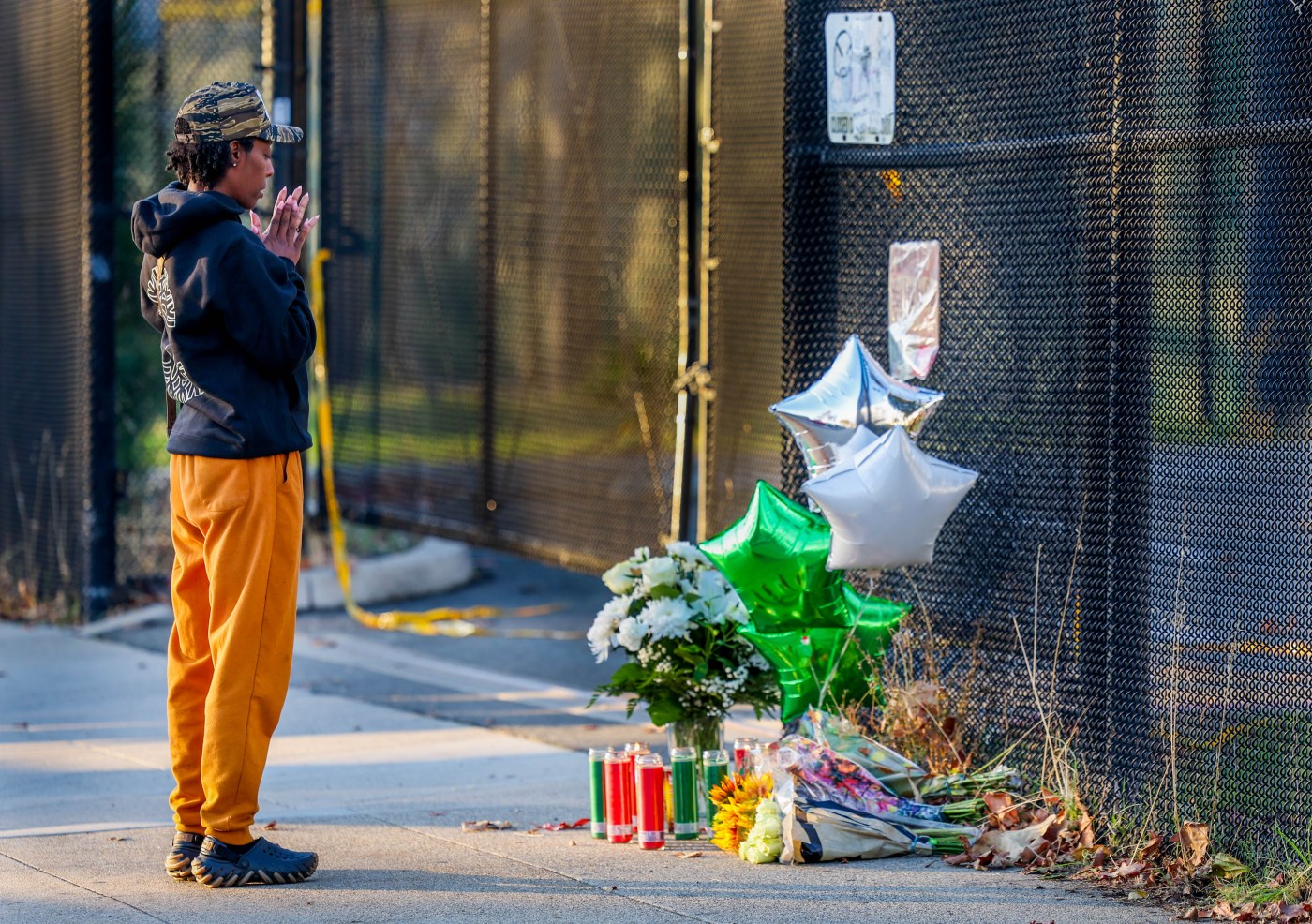
This incident unfolds amidst heightened emotional tension in Oakland, where the community mourns the loss of Coach Beam, a figure known nationally from Netflix’s Last Chance U. Just hours before the press conference, Beam was declared dead after being shot, with the suspect, Cedric Irving Jr., now in custody.
Gonzalez-Zaragoza and her fellow student reporters were already in crisis mode, working diligently to cover the tragic event from their campus. Despite being barred from the press conference, they continued to communicate breaking news updates, demonstrating their commitment to providing accurate information to a grieving community.
Critics, including Eleni Gastis, the faculty advisor for The Citizen, argue that students deserve equal treatment as professional journalists. “It wasn’t just a no… it was intended to be shameful and obstructive,” Gastis remarked, highlighting the need for fair access to press events.
As the situation continues to develop, the community is left to wonder how the OPD can ensure press freedom while maintaining safety. The ongoing debate surrounding press credentials and access is far from over, and the implications for local journalism and public information access are profound.
The Oakland Police Department’s actions have sparked a larger conversation about the role of the press in holding authorities accountable and ensuring community voices are heard. As public outcry grows, all eyes will be on the OPD and city officials to see if changes will be made to improve access for journalists covering crucial community issues.
Stay tuned for updates as this story unfolds and as advocates continue to push for press freedom in Oakland.