TikTok has reached an agreement with a group of investors to continue its operations in the United States, concluding a protracted legal dispute. The deal, announced on March 15, 2025, comes amidst ongoing national security concerns about the app’s ties to China, which prompted Congress to threaten a ban unless the parent company, ByteDance, divested its ownership.
The new arrangement assures that TikTok, which boasts approximately 200 million users in the U.S., will remain functional. A new entity, predominantly controlled by American investors, will manage the app. Key investors include Oracle, the Emirati investment firm MGX, and Silver Lake, collectively holding over 80% of this new venture. Meanwhile, ByteDance will retain around 20% control, raising questions about the effectiveness of this divestiture in alleviating security concerns.
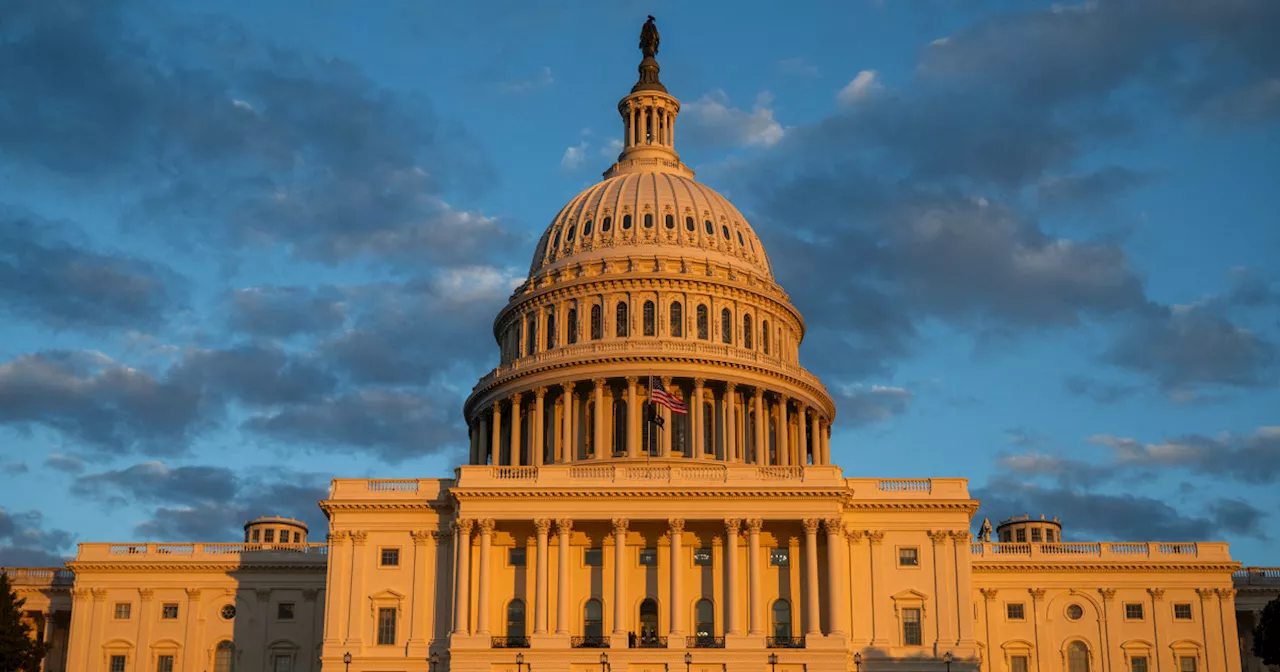
Congress and the intelligence community had expressed growing apprehension regarding TikTok’s potential to expose user data to the Chinese government under existing national security laws. Despite ByteDance and TikTok’s repeated denials of compliance with such demands, skepticism persisted. The urgency of these concerns was underscored by bipartisan legislation that mandated a ban if ByteDance did not find a new owner.
In a statement on Truth Social, former President Donald Trump praised the agreement facilitated by his administration, expressing gratitude to Chinese President Xi Jinping for allowing the deal to proceed. “I am so happy to have helped in saving TikTok!” he stated, reflecting on his earlier attempts to ban the app during his presidency.
The implications of the deal for TikTok’s functionality in the U.S. remain uncertain. Users are expected to continue using the same app, but ByteDance’s ongoing involvement raises doubts about whether the arrangement adequately addresses the national security issues that prompted the ban. TikTok announced that the new entity will operate under “defined safeguards that protect national security,” which includes storing U.S. user data locally and utilizing Oracle for updates to the app’s algorithm.
Experts have noted that this arrangement may enhance protections for American users. John Wihbey, an associate professor of media innovation at Northeastern University, remarked, “This seems to have a higher probability of protecting American interests and privacy than the status quo before.” Nonetheless, he acknowledged that whether these measures will be effective remains unclear.
A significant point of contention throughout the negotiation process has been TikTok’s sophisticated algorithm, which drives user engagement by determining content visibility. China had previously asserted that its algorithms must remain under Chinese control, complicating potential sales. As part of the new agreement, ByteDance will license the algorithm to the U.S. entity for retraining and updates based on American user data.
The recent legislation signed by President Joe Biden mandated divestment to eliminate any “operational relationship” between ByteDance and TikTok in the U.S. This raises critical questions regarding the new venture’s compliance with legislative requirements. Wihbey noted the ambiguity surrounding the licensing of the algorithm, suggesting that the arrangement may not constitute a “clean break” as mandated by Congress.
Some lawmakers have already called for an investigation into whether this agreement adequately addresses national security concerns. Senator Ed Markey (D-Mass.) expressed skepticism, stating, “After over a year of Donald Trump illegally extending the TikTok deadline, this TikTok deal raises many more questions than answers.” He emphasized the need for Congressional oversight to ensure transparency and genuine protection of national security while allowing TikTok to remain operational.
As discussions continue, the future of TikTok in the U.S. hangs in the balance, with stakeholders closely monitoring how this new arrangement will unfold and whether it will truly safeguard American user interests.