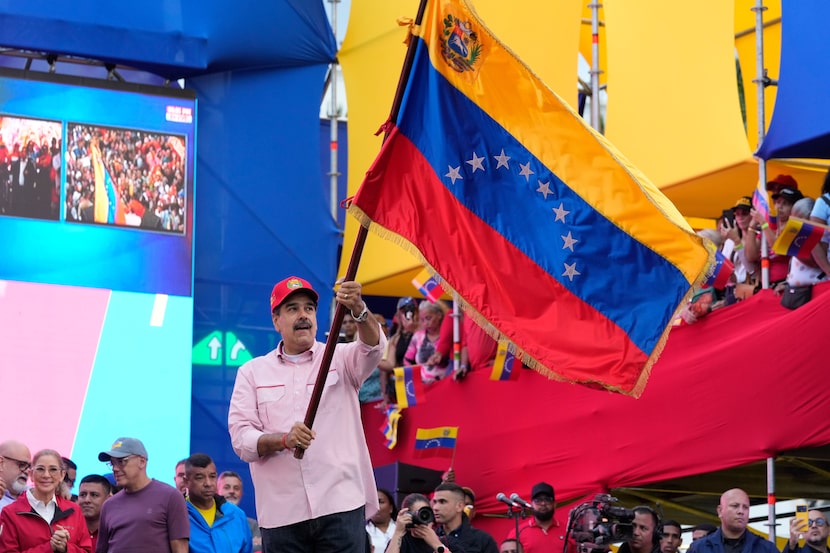
UPDATE: In a shocking move, President Donald Trump has just announced the closure of airspace over Venezuela, escalating tensions amid ongoing U.S. narcotic operations. This controversial decision is seen by many as an aggressive act against Venezuelan President Nicolas Maduro, raising urgent questions about potential military conflict.
Critics are voicing concerns that this airspace closure reflects a hostile and unlawful approach, particularly given the backdrop of missile strikes targeting suspected drug traffickers. As Trump intensifies his stance, speculation mounts regarding the implications of a possible full-scale war with Venezuela.
Adding to the complexity, Trump has indicated plans to pardon Juan Orlando Hernandez, the former president of Honduras, who was sentenced to 45 years in prison for drug trafficking and weapons charges. This contradictory stance has drawn criticism, as Hernandez’s administration was heavily linked to global drug trade operations, further complicating Trump’s rationale for targeting Maduro’s regime.
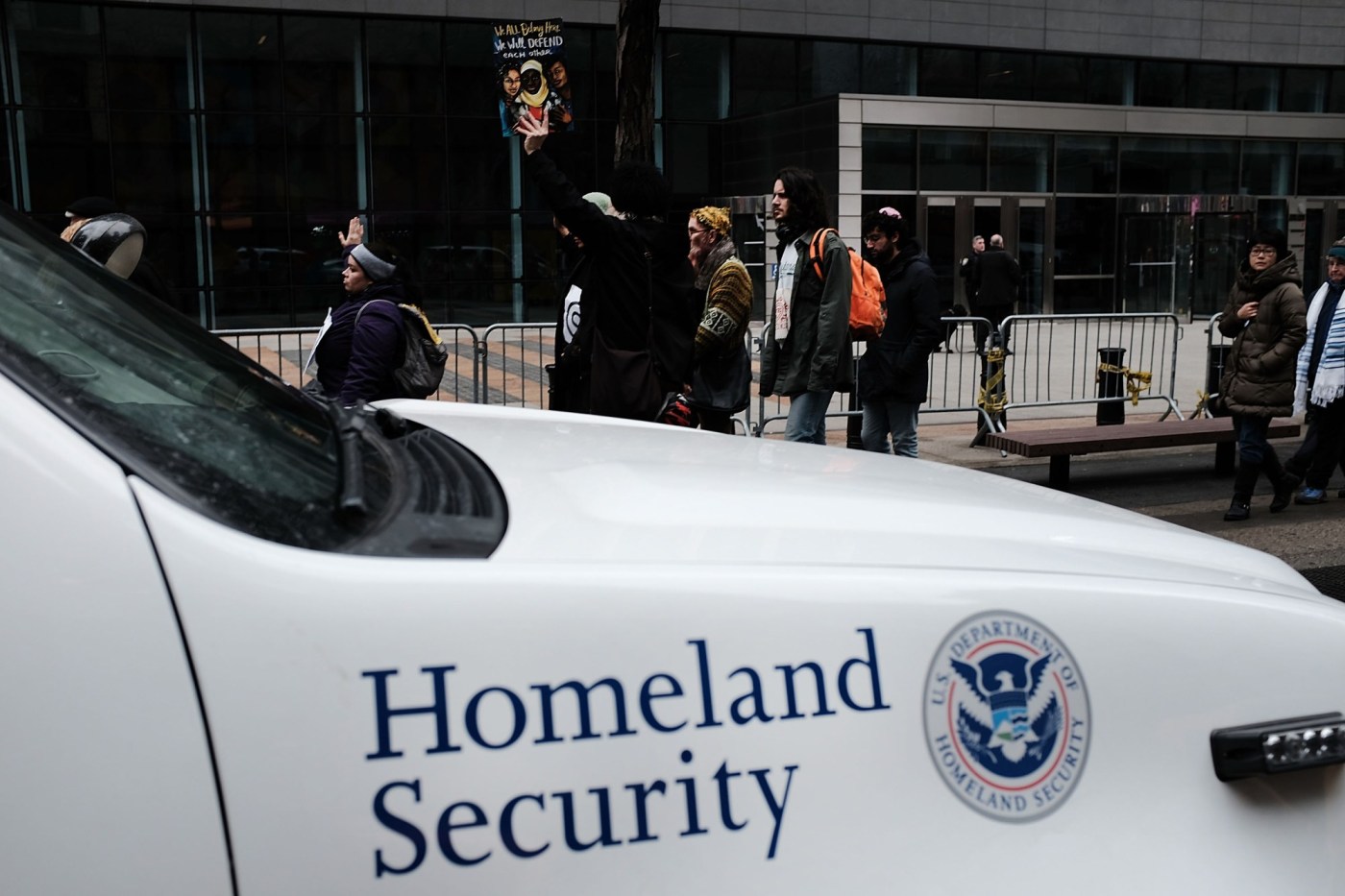
In a related matter, tensions surrounding immigration enforcement are also reaching a boiling point. Recent headlines highlight mass ICE raids and troubling discoveries of migrants in refrigerated trailers, prompting urgent calls for reform. Brian Scott Angerer, a Texas business owner and civic advocate, emphasizes the need for transparency and accountability in immigration practices, warning that the current trajectory could erode public trust in the system as a whole.
Angerer argues that while strict enforcement is necessary, it must not come at the expense of humane treatment and respect for due process. As the Department of Homeland Security grapples with these pressing issues, the need for a balanced approach has never been more critical.
Meanwhile, in Dallas, city officials are facing backlash over a controversial trash collection policy. City Manager Kimberly Bizor Tolbert and Sanitation Director Cliff Gillespie are pushing for residents to transition from alley pickups to street collection, despite widespread discontent. Residents have expressed their dissatisfaction, citing logistical concerns and a desire for efficient service. Gillespie suggests that involving private companies may enhance service capabilities, a proposal that has gained traction as cities nationwide seek to improve waste management.
As these issues unfold, the implications for U.S. foreign policy, immigration reform, and local governance are significant. The situation remains fluid, and citizens are encouraged to stay informed as these crucial developments continue to evolve.
For those interested in broader societal movements, a nonpartisan group, Mormon Women for Ethical Government, is gaining recognition for its impactful advocacy, demonstrating how grassroots organizations can influence public discourse and policy.
Stay tuned for updates as these stories develop. The coming days are likely to bring more revelations and responses from all sides of these pressing issues.