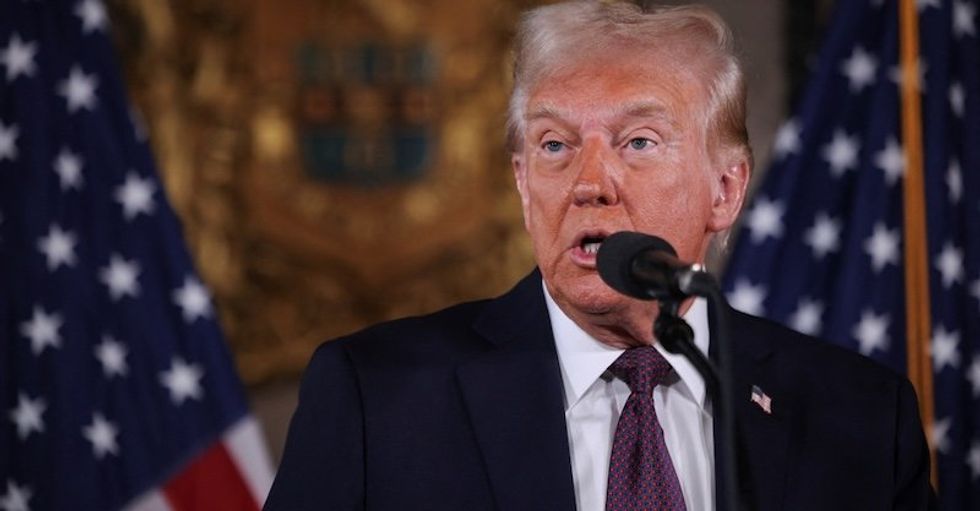
UPDATE: President Trump has just announced plans to potentially invoke the Insurrection Act as tensions escalate in Minnesota following protests triggered by the deadly shooting of Renee Good by an Immigration and Customs Enforcement (ICE) officer. This move threatens a significant confrontation between the federal government and state officials, particularly Gov. Tim Walz.
In a post on Truth Social, Trump expressed his readiness to deploy troops to Minnesota unless local leaders take action against what he termed “professional agitators and insurrectionists” obstructing federal law enforcement. He stated, “I will institute the INSURRECTION ACT… and quickly put an end to the travesty that is taking place in that once great State.”
This development is critical as the Trump administration has already sent approximately 3,000 federal law enforcement agents to Minnesota in recent weeks to address alleged immigration violations and widespread fraud. The invocation of the Insurrection Act would allow Trump to bypass objections from state officials and deploy military forces directly into the state.
So, what exactly is the Insurrection Act? Rooted in U.S. law since the 1790s, this act empowers the president to deploy troops and enlist state militias to quell unrest. It allows the federal government to intervene unilaterally in situations deemed as insurrections when local law enforcement is overwhelmed. Legal experts indicate that the criteria for invoking this act are broadly defined, leaving substantial discretion to the president.
Historically, the Insurrection Act has been used sparingly, invoked only five times unilaterally in the past 130 years. Most notably, it was employed during the Civil Rights Movement when federal forces were sent to enforce desegregation. Critics argue that Trump’s potential invocation lacks justification, as many see no clear insurrection occurring in Minnesota. Legal scholar Joseph Nunn asserts, “There is no insurrection. Are the insurrectionists the people of Minneapolis?”
Recent events have heightened scrutiny over federal actions in the state. The protests intensified following the tragic shooting of Good, which many local leaders attribute to the aggressive tactics of ICE agents. Local officials contend that federal intervention is inflaming tensions rather than restoring order.
As federal resources pour into Minnesota amid these protests, the situation remains volatile. The threat of invoking the Insurrection Act is drawing mixed reactions across the political spectrum. Supporters claim it is necessary to maintain law and order, while opponents fear it could lead to an unprecedented militarization of domestic law enforcement.
Looking ahead, should Trump follow through on this threat, legal challenges are likely to arise. Courts have historically refrained from blocking the use of the Insurrection Act, but unprecedented circumstances could lead to a significant legal showdown. Nunn highlighted that the law’s invocation has never been openly contested by a state, suggesting that any challenge would enter uncharted territory.
The national implications of this situation are profound. As federal and state governments clash over the use of military power, the eyes of the nation remain fixed on Minnesota. The coming days will be crucial in determining whether Trump will act on his threat and how local and federal officials will respond.
As events unfold, the implications for civil liberties and the balance of power between federal and state authorities are at stake. The situation in Minnesota is not just a local issue; it reflects broader themes of governance and the ongoing debate about federal overreach in the United States.
Stay tuned for further updates as we monitor this developing story.