UPDATE: In a shocking military operation, U.S. forces have forcibly removed Venezuelan President Nicolás Maduro early Saturday morning, July 15, 2023. This unprecedented action was carried out without a declaration of war or authorization from Congress, raising urgent questions about presidential power and military oversight.
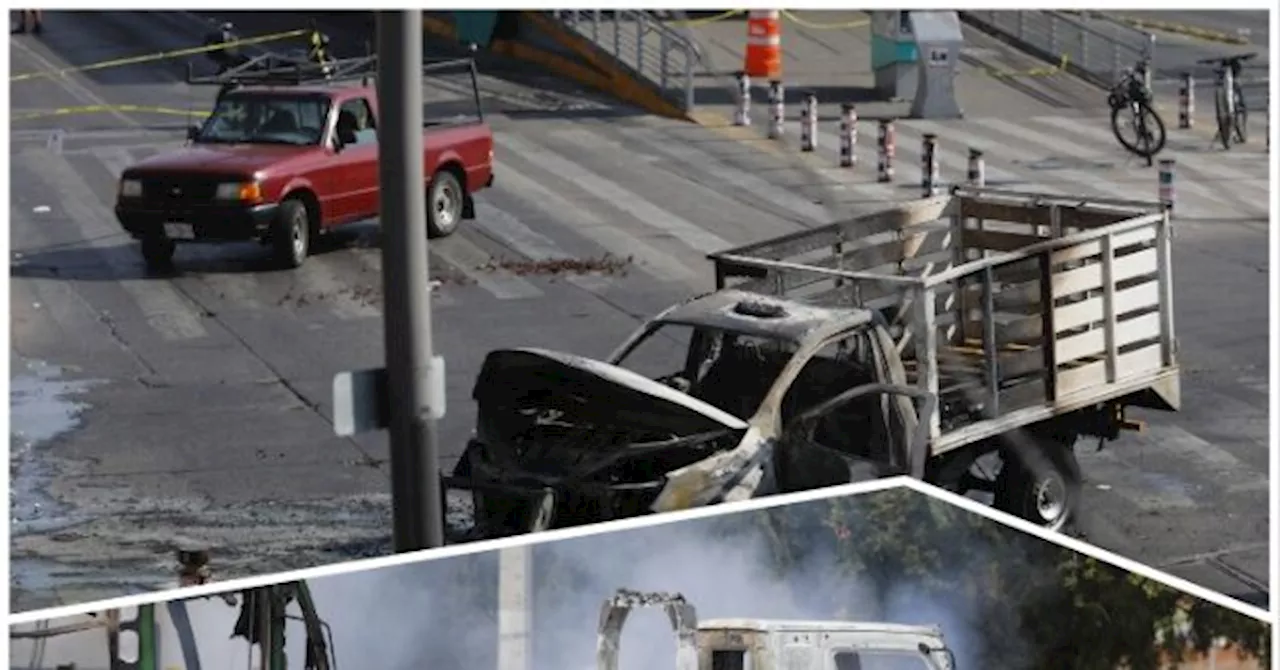
The operation involved approximately 150 U.S. aircraft engaging in airstrikes to dismantle Venezuelan air defenses, followed by helicopter-borne troops entering Caracas. Officials reported fatalities linked to this operation, although details remain scarce. The Trump administration has framed this move as a necessary intervention for Venezuela’s political stability, despite lacking constitutional or international justification.
This development is critical as it bypasses established mechanisms designed to check presidential power. Congress was not consulted before the operation; instead, senior members were briefed only after decisions had been made. This raises a vital question: Who has the authority to declare war? The Constitution clearly assigns this power to Congress, yet the Trump administration acted unilaterally, treating Congress as an irrelevant entity in this grave decision.
The implications of this operation extend beyond Venezuela. By redefining the military action as a “law enforcement mission,” the administration has set a dangerous precedent. This blurring of definitions strips Congress of its oversight role, allowing the President to initiate military actions without accountability. Such a pattern normalizes unilateral military force, significantly altering the dynamics of U.S. foreign policy.
The consequences of this decision are profound. If the executive branch can redefine war as law enforcement, any military action could be justified without public consent or legislative approval. This shift endangers not only international relations but also domestic governance. The public’s voice is sidelined when critical military decisions are made without their input, undermining the foundational principles of a democratic republic.
As the world watches, the U.S. risks losing its credibility in advocating for international norms and sovereignty. The operation in Venezuela stands as a stark reminder of the potential for abuse of power when checks and balances are ignored. The administration’s disregard for constitutional protocols raises alarms about future military engagements and their implications for both foreign and domestic policy.
The urgent question remains: What happens next? As the situation unfolds, it is crucial for Congress and the American public to demand clarity and accountability regarding this unprecedented military action. The implications of this operation will shape the future of U.S. military engagements and its role on the global stage.
Stay tuned for updates as this developing story continues to unfold.