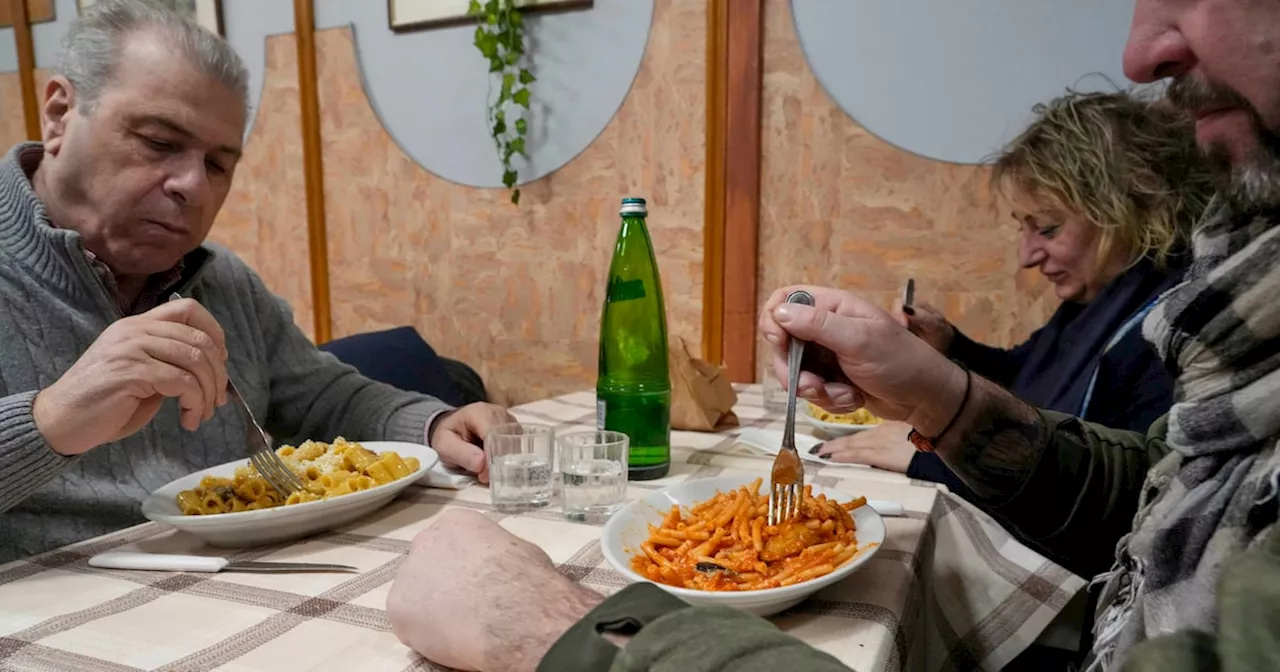
BREAKING: UNESCO has officially recognized Italian cooking as part of the world’s intangible cultural heritage, a landmark decision announced on July 15, 2023. This recognition underscores the profound cultural significance Italians place on their culinary traditions, including family meals and the art of cooking passed down through generations.
The United Nations cultural agency’s announcement comes as an exciting boost for food lovers globally, celebrating Italy’s culinary masterpieces such as pizza, pasta, and tiramisu. The rituals surrounding food preparation and consumption—like the cherished Sunday family lunch and grandmothers teaching grandchildren the art of making tortellini—are now immortalized as essential cultural practices.
“Cooking is a gesture of love,” said Pier Luigi Petrillo, a key figure in the Italian UNESCO campaign and professor at Rome’s UnitelmaSapienza University. He emphasized that for Italians, cuisine is not just about food; it embodies culture, tradition, and community. “This tradition of being at the table is something we cherish deeply.”
Italy’s submission highlighted the country’s commitment to sustainability, showcasing its focus on fresh, seasonal ingredients that minimize waste. The recognition is a significant victory for Italy, which now has 14 items on UNESCO’s intangible cultural heritage list, including previously listed traditions like the Mediterranean diet.
The announcement resonates with Italians at home and abroad. Francesco Lenzi, a pasta maker at Rome’s Osteria da Fortunata, expressed pride in Italian cuisine’s global influence. “Wherever you go in the world, everyone knows the word spaghetti,” Lenzi stated, attributing his passion to his grandmother’s teachings in their seaside village of Camogli.
Tourists visiting iconic sites like the Pantheon in Rome echoed this sentiment. Mirella Pozzoli, from Lombardy, remarked, “Sitting at the table with family or friends is something that we Italians cherish and care about deeply.” This recognition shines a light on the emotional and social importance of dining together, a tradition that sets Italy apart globally.
UNESCO’s decision is part of a broader initiative to safeguard cultural practices worldwide. This year, the committee convened in New Delhi, considering 53 nominations for the representative list, which now includes 788 entries. Other notable culinary traditions recognized previously include the cider culture of Spain’s Asturias region and the Ceebu Jen culinary tradition of Senegal.
The impact of such recognition can be profound. Since the previous food-related acknowledgments, Neapolitan pizza-making schools have surged by over 400%, enhancing both educational and economic prospects in the region. Following the UNESCO listing, Italy anticipates increased tourism and product sales, showcasing the power of cultural heritage.
As the world celebrates this milestone, the emphasis on Italian cooking serves as a potent reminder of how food unites people, transcending borders and cultures. The recognition of Italian culinary traditions not only honors the past but also paves the way for future generations to cherish and uphold these beloved rituals.
Stay tuned for more updates on this developing story as Italy’s culinary journey continues to gain global recognition and appreciation.