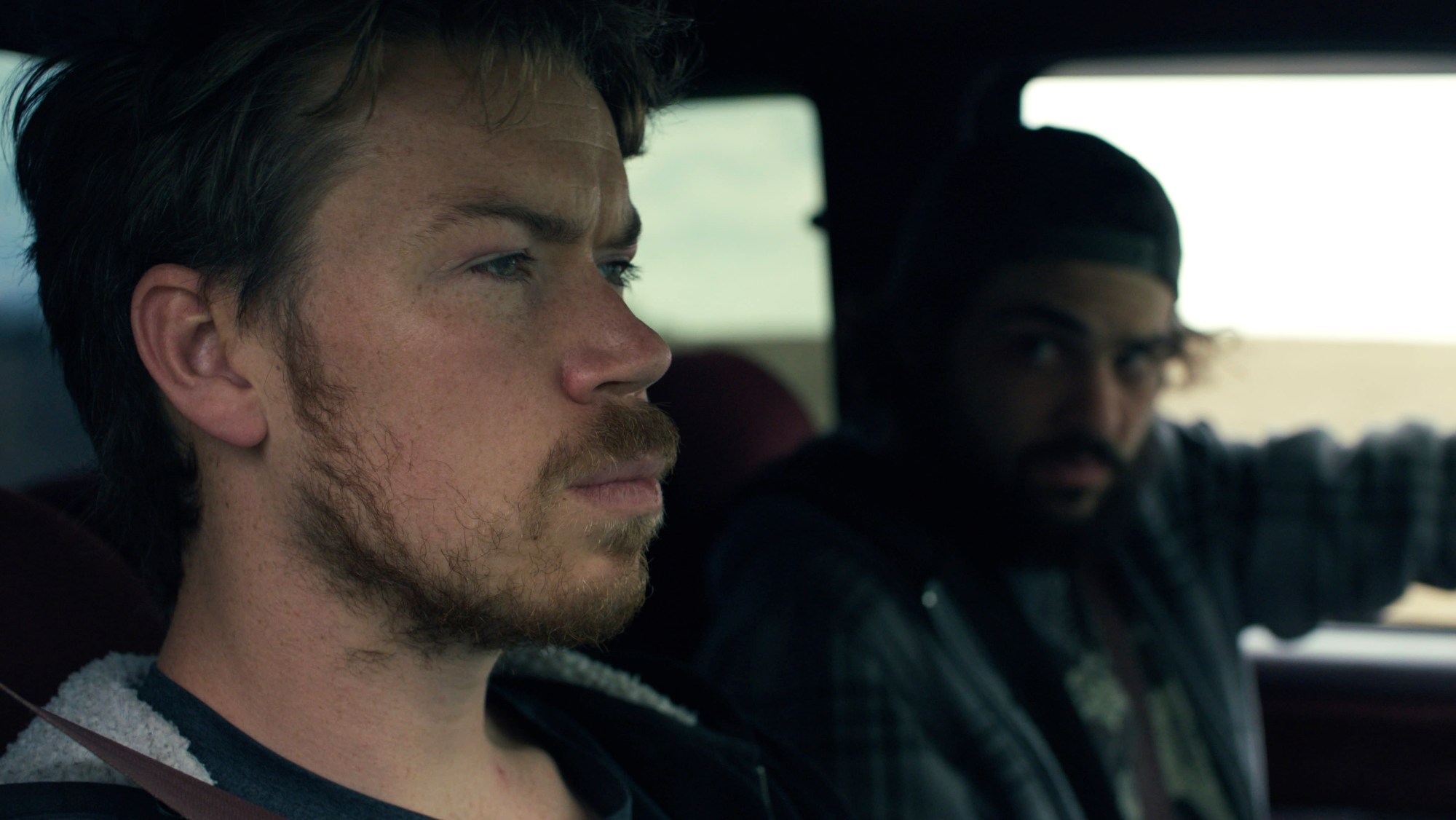
UPDATE: The latest film “Union County” is making waves by immersing audiences in the stark realities of opiate addiction in rural Ohio. Just released, this docudrama features actors Will Poulter and Noah Centineo as brothers navigating the complexities of recovery amidst a community grappling with the devastating effects of substance abuse.
In a gripping portrayal, Poulter and Centineo assume the roles of two contrasting figures typically seen at Narcotics Anonymous meetings. Poulter plays Cody Parsons, a young man determined to stay clean, while Centineo embodies Jack, a charismatic yet troubled brother with a history of relapse. Their performances offer a raw insight into a world many are unfamiliar with but deeply impacted by.
Director Adam Meeks expands on his acclaimed 14-minute short film from 2020, bringing a more comprehensive exploration of the challenges faced by recovering addicts in Union County. The film, which has already sparked conversation among critics, delves into the struggles of real-life individuals involved in an 18-month sobriety support program.
“Union County” not only enhances our understanding of addiction but also provides a platform for unscripted stories from community members who have experienced the harsh realities of the opiate epidemic. The film paints a poignant picture of lives affected by addiction, where many have lost homes, jobs, and loved ones.
The courtroom scenes, where Cody attends his first session, are particularly striking. With a clean-cut appearance, he submits to mandatory drug testing, all while trying to secure stable housing—a crucial element for his recovery. Meanwhile, Jack’s wild antics contrast sharply with Cody’s more subdued demeanor, highlighting the varied responses to addiction within families.
The film’s emotional weight is further enhanced by its sensitive handling of the relationships between characters. Annette Deao, a recovery liaison counselor, lends her voice to advocate for Cody, emphasizing the community’s role in fostering healing rather than perpetuating the divisive “Us vs. Them” mentality often seen in traditional judicial settings.
As the narrative unfolds, viewers witness the painful realities of relapse and the tragic consequences that sometimes follow. Meeks’ direction captures the essence of recovery, showcasing how many individuals struggle against the odds, with a fix only a quick stop away.
Critics are noting the film’s capacity to evoke empathy without resorting to melodrama. Moments of connection, particularly between Cody and a new acquaintance, Anna, are rendered beautifully, illustrating the delicate balance of recovery and temptation.
While some have raised concerns about the film’s pacing, suggesting stretches of inertia, the overall sincerity of “Union County” remains unquestioned. It serves as a cultural touchstone, urging viewers to confront the difficult truths about addiction in their communities.
As “Union County” gains attention, audiences are encouraged to engage with this critical narrative, shedding light on the ongoing battle against opiate addiction in America. The film not only entertains but also informs and educates, prompting necessary conversations about recovery and resilience.
Stay tuned for further updates as “Union County” continues to resonate with viewers and critics alike, revealing the profound impact of addiction stories on society today.