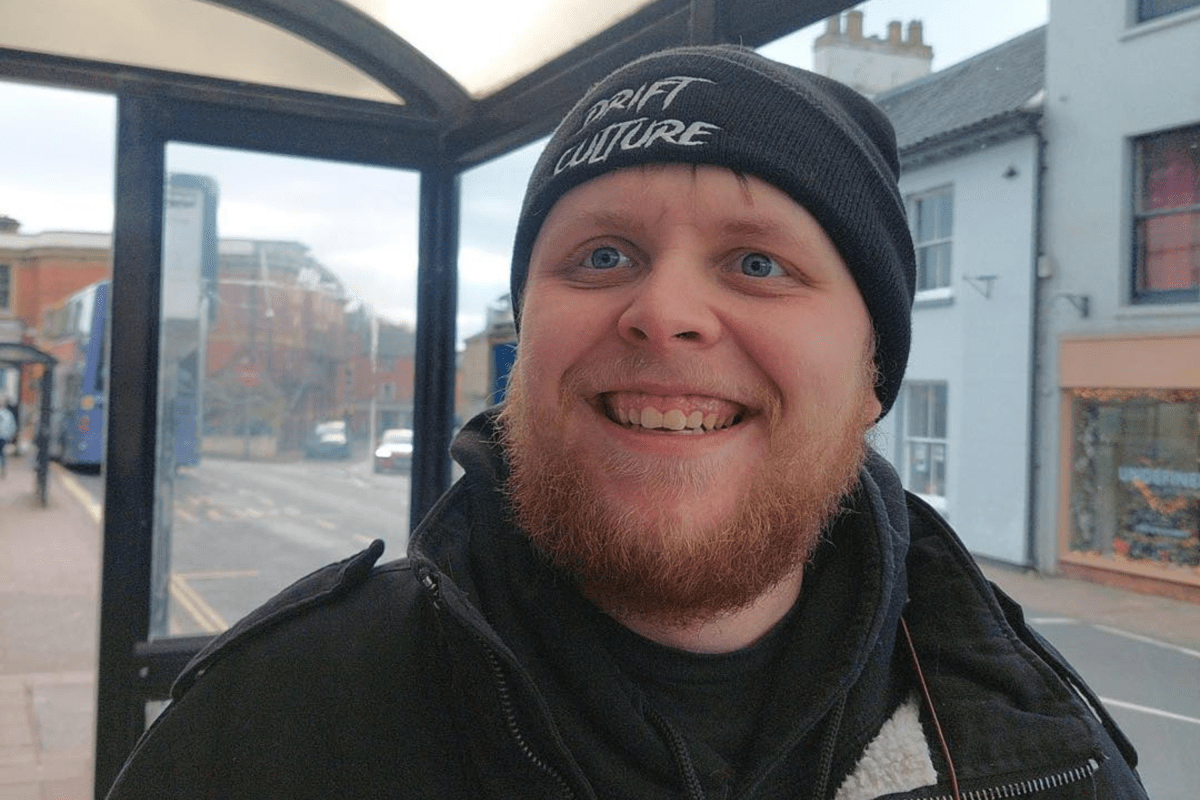
UPDATE: A 24-year-old man from Norfolk, England, has tragically died from a rare form of dementia, prompting his family to donate his brain to medical researchers in a bid to advance treatments for this devastating disease. Andre Yarham passed away peacefully in his sleep on December 27, 2023, after battling frontotemporal dementia (FTD), a condition that struck him just weeks before his 23rd birthday.
His heartbroken mother, Sam Fairbairn, described her son as a “very cheeky boy with a brilliant sense of humor” who had a “heart of gold.” Fairbairn revealed to Newsweek, “If he could help someone, then he would.” This emotional statement underscores the family’s hope that Andre’s donation can lead to breakthroughs that will spare others from similar suffering.
In November 2022, Fairbairn noticed alarming changes in Andre’s behavior, initially mistaking them for autism. “He started forgetting things,” she recalled, recounting a disturbing instance where he ventured into the city without knowing how to return home. This prompted further medical investigation, which revealed that his frontal lobe was “shrinking.”
According to experts, frontotemporal dementia affects only about one in 20 dementia patients, making Andre’s case particularly rare. Kirsty Dallison-Perry, a consultant from Dementia UK, explained that FTD is most common in those under 65, with very few cases reported in individuals younger than 45. The condition leads to severe personality changes and cognitive decline, often progressing rapidly.
Following his diagnosis in June 2024, Andre’s health deteriorated quickly, shocking medical professionals. Fairbairn left her job as a coach driver to care for him full-time, stating, “The consultants explained that when an older person develops dementia, changes in their attitude usually take months, but with Andre, these changes happened within weeks or even days.”
By September 2024, Andre’s mobility had declined significantly, leading to his admission to a care home. His health continued to worsen, culminating in hospital care for an infection shortly before his death. The family was devastated when they were informed he might not reach his 30th birthday, but never anticipated losing him before he turned 25.
Despite his inability to consent to donating his brain, Fairbairn believes Andre would have been proud of the decision. “He was such a giving boy,” she stated, emphasizing her hope that his donation will aid in understanding FTD better.
Currently, no specific treatments exist for subtypes of frontotemporal dementia, according to the Alzheimer’s Association. While certain medications can alleviate symptoms, they do not slow disease progression. The condition invariably worsens, leading to severe physical complications, with patients often succumbing to infections or other related issues.
The Yarham family’s experience highlights the urgent need for research into young-onset dementia, which affects approximately 92 cases per 100,000 people aged 30-64. By sharing Andre’s story, they aim to raise awareness and drive further investigation into this heartbreaking condition.
As the family reflects on their loss, they remain hopeful that Andre’s legacy will contribute to significant advancements in dementia research. This urgent development calls attention to the growing challenges faced by young dementia patients and the crucial need for innovative treatment options.
For those interested in supporting dementia research or learning more about the condition, please reach out to Newsweek via [email protected].