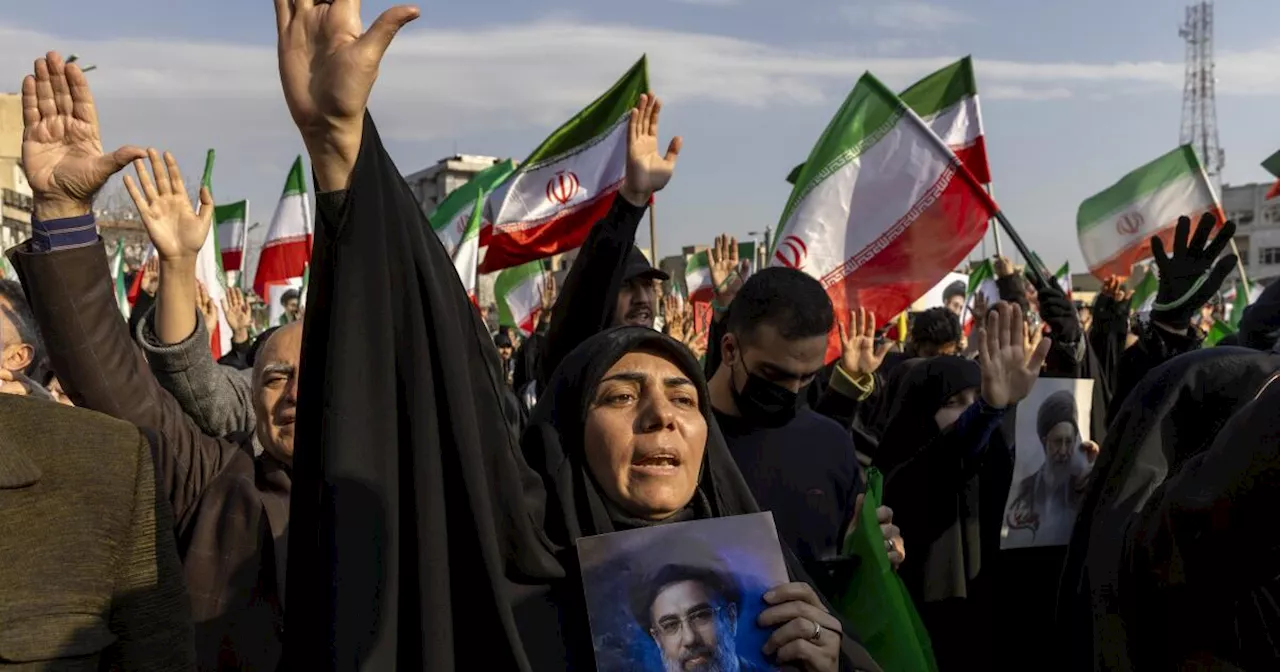
UPDATE: Federal authorities have issued an urgent warning about potential Iranian retaliatory strikes on American soil. The threats may come from sleeper cells, lone wolf sympathizers, or cyberattacks as tensions escalate following the killing of Iranian Supreme Leader Ayatollah Ali Khamenei on February 28, 2024.
In response to ongoing U.S. and Israeli military operations against Iran, the FBI and the Department of Homeland Security are on high alert. Counterterrorism officials are particularly concerned about the activation of sleeper cells and affiliates of Iranian terrorist groups within the United States. A recent memo sent to local law enforcement agencies highlights the detection of cryptic radio messages that may signal operational triggers for these sleeper assets.
Authorities reported that shortly after Khamenei’s death, a number station broadcasted the phrase “Tavajjoh! Tavajjoh!,” which translates to “Attention!” in Persian, followed by a string of seemingly random numbers. This method of communication is reminiscent of Cold War spy operations, raising alarms about possible encoded instructions for operatives on U.S. soil.
Horace Frank, former head of counterterrorism for the Los Angeles police, noted, “Sleeper cells have always been a concern with Iranian proxies. This isn’t new, but the desperation of their situation could lead to drastic actions.” Despite no credible specific threats currently identified, the heightened alert status has been prompted by the ongoing military actions in the region.
Counterterrorism efforts have been intensified since Operation Epic Fury commenced. In addition to traditional threats, Iranian operatives have attempted to hire assassins for high-profile targets, including former U.S. officials like Mike Pompeo and John Bolton. A recent case involved Shahram Poursafi, who remains a fugitive after being charged with conspiracy to assassinate Bolton.
The threat landscape has evolved significantly since the San Bernardino attack in 2015, where radicalized American citizens executed a mass shooting. As law enforcement agencies remain vigilant, local police departments are urged to rely on public tips to identify potential threats. Over 700,000 individuals of Iranian descent live in Southern California, raising concerns about the potential for radicalization.
In a recent incident in Austin, Texas, a gunman killed three people before being shot by police, prompting investigations into possible terrorism links. Counterterrorism experts emphasize that while sleeper cells are a primary concern, threats may also emerge from Iranian proxies linked to groups like Hezbollah and the Houthi movement in Yemen. These groups have established networks in the Southern Hemisphere, posing additional risks to U.S. security.
Moreover, the U.S. has seen an increase in illegal crossings by Iranian nationals since military actions intensified. In a significant warning, Rodney Scott, Customs & Border Patrol Commissioner, stated that thousands of Iranian nationals entered the U.S. illegally between 2022 and 2025.
Cybersecurity concerns are also on the rise, with Iranian-backed hackers increasingly testing U.S. systems. In the wake of military strikes, Iran’s internet connectivity plummeted, suggesting a coordinated effort by U.S. Cyber Command to disrupt Iranian communications.
As the situation unfolds, the public remains urged to stay vigilant. Local law enforcement agencies are coordinating with federal partners to monitor potential threats arising from both sleeper cells and lone wolves motivated by extremist ideologies.
Stay tuned for more updates as authorities continue to assess the potential risks and implications of these developing threats.